One of you waters the parsnips all week; the other picks them when they are ready. In Stardew Valley, that harvest helps the farm, but the crop experience goes to the person who collects it. Understanding that distinction makes co-op much easier to settle into.
You share a world, while each farmer develops separately. Money is a choice: you can pool it or keep individual wallets. These are the standard, unmodded rules that matter when you start a farm with a partner or friends.
Shared and personal progress at a glance
| Part of the game | How co-op handles it |
|---|---|
| Farm, buildings and calendar | One shared world; home upgrades are individual. |
| Money | Shared or separate, by choice. |
| Inventory and equipment | Separate backpacks; items and tools can be exchanged. |
| Skills and energy | Individual for each farmer. |
| World unlocks | Shared, including Community Center improvements. |
| Quests and friendships | Mostly personal; Special Orders are shared. |
| Save file | Kept by the host, including the farmhands' progress. |
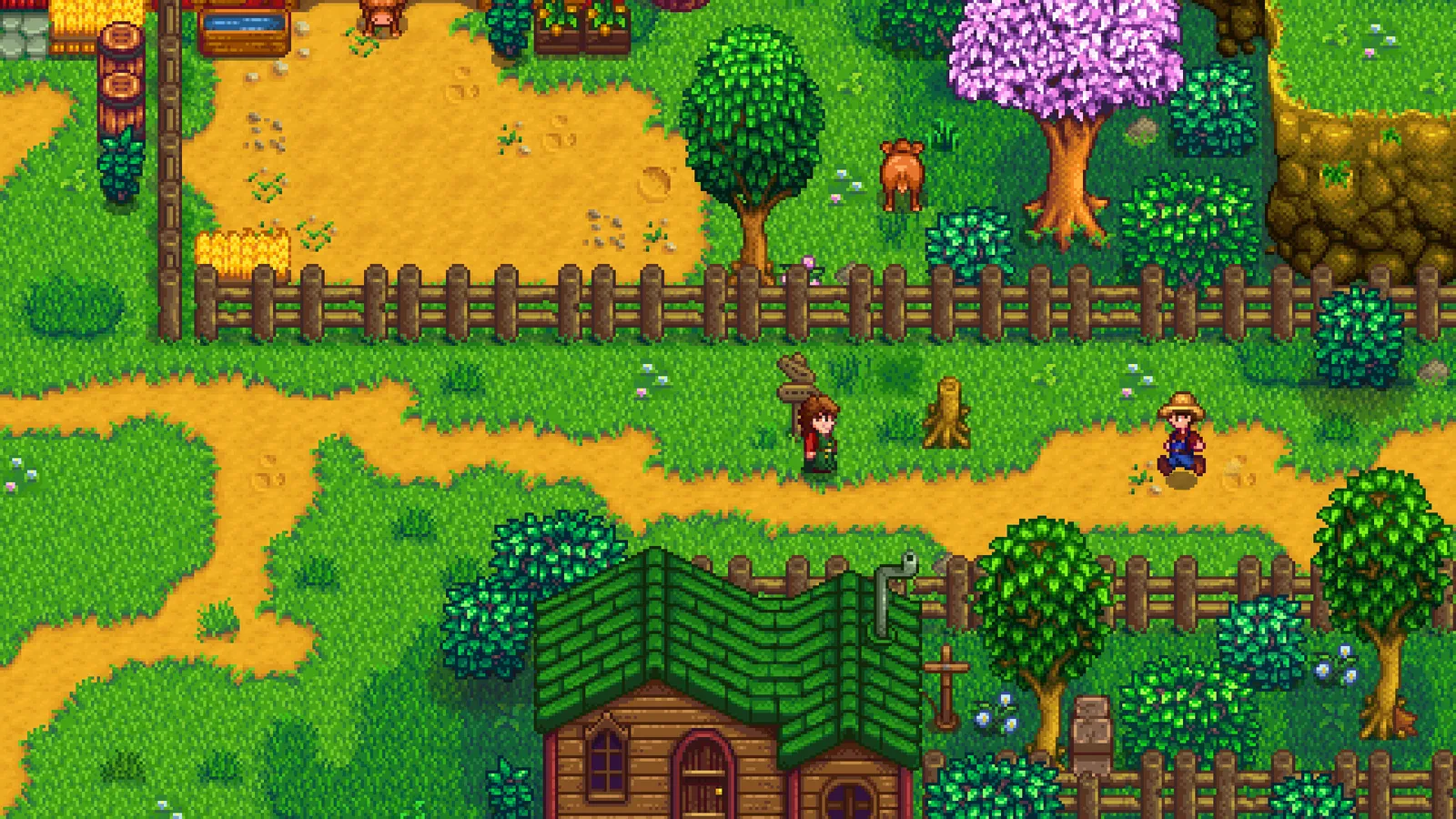
Should you share money?
With a shared wallet, a purchase draws on the same balance everyone else uses. Buying seeds and paying for a tool upgrade compete for the same gold. With separate wallets, each player has their own funds, but you still work on the same farm.
For a first farm, we recommend shared money if you want to treat each other's work as a contribution to one project. Someone can spend a day clearing land while someone else brings in money from fishing, without having to settle accounts afterwards. Choose separate wallets if having your own spending budget matters more to your group.
You can choose this when creating the farm and change it later through the Town Ledger in Lewis's house. The change takes effect overnight. Switching from shared to separate funds divides the existing money evenly; the ledger also lets you transfer money between players when your wallets are separate. You do not need a mod to split your finances.
Backpacks, tools and homes
Picking up wood does not put wood in everybody's inventory. Use a chest to leave materials for each other, and agree which supplies are being saved for a building or bundle. Colouring a chest is useful for organisation, but it is not a private inventory.
Backpack upgrades apply to the buyer. Tool upgrades apply to the actual tool, so paying Clint to improve one pickaxe does not improve everybody's pickaxe. You can lend tools to each other, though: one upgraded axe can pass between players, and a spare watering can can cover a teammate's upgrade.
Housing follows a similar distinction. The host has the farmhouse and each farmhand needs a cabin, which can be included at creation or added to an existing farm. Each farmhand upgrades their own cabin; improving the farmhouse does not upgrade the other homes. A cabin gives you a home within the shared farm, not a separate plot with its own calendar.
Sharing chores does not share experience
Skills, professions and learned recipes belong to each character. In the parsnip example, watering keeps the crop growing, but harvesting awards the Farming experience. If one person always waters and the other always harvests, their Farming levels can diverge despite both doing essential work.
If you both want to develop that skill, split the harvest or take turns collecting it. If you prefer specialising, that works too: a player who learns the sprinkler recipe can craft sprinklers for the farm without everyone first learning the recipe.
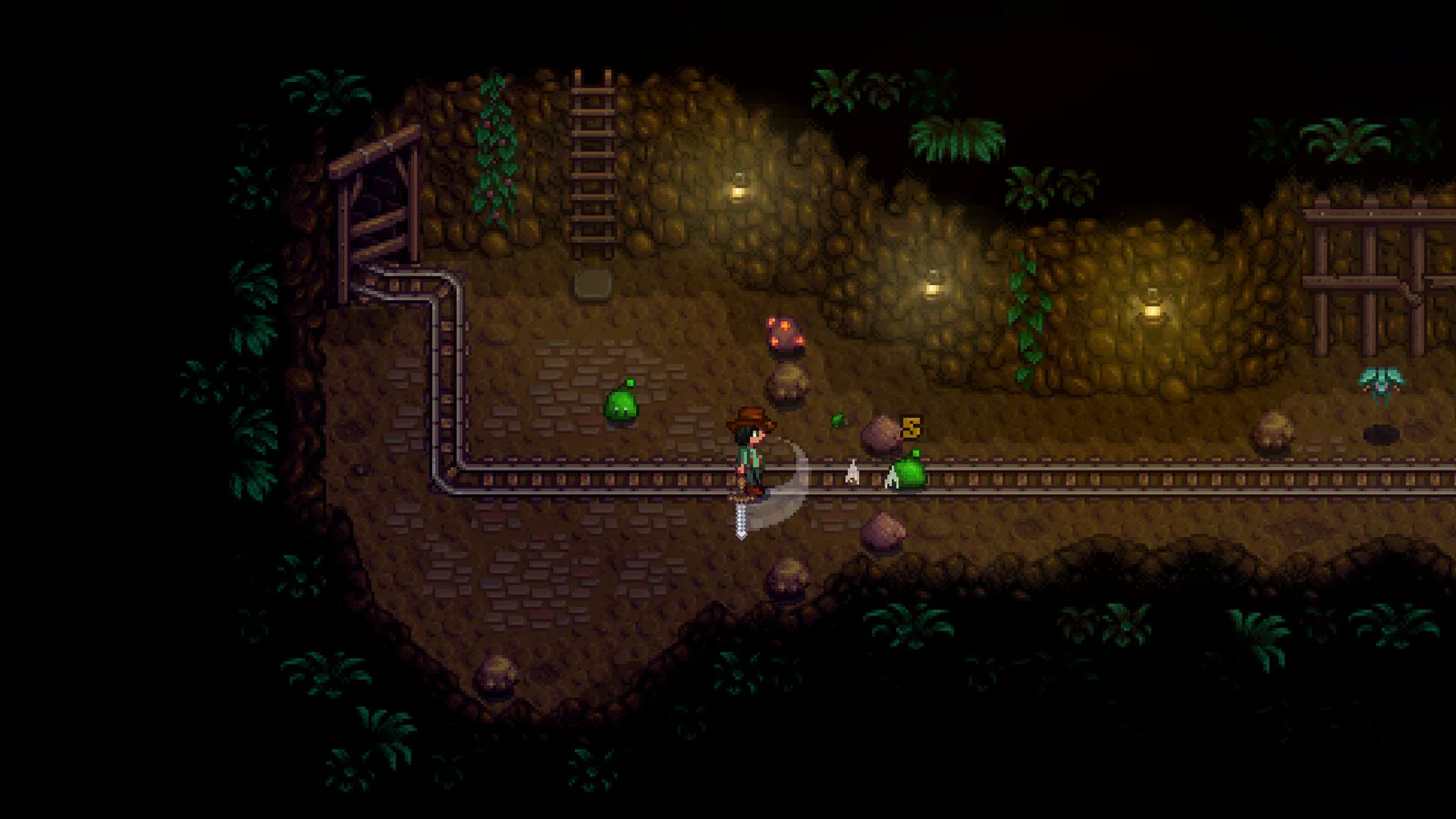
Health and energy are individual too: another player's full bar will not keep your exhausted farmer going. Bring food for the person who will actually need it.
Shared unlocks, different rewards
Completing the Community Center's room bundles improves the same valley for everyone. You do not each need to restore the greenhouse or repair the minecarts. The choice between restoring the Community Center and funding Joja's projects also concerns the shared world; it is worth making that decision together before anyone commits.
The mines' elevator progress is shared too. If one player reaches a new checkpoint, the others can use it later. That opens the route, but it does not give a less experienced farmer the skills or equipment of the player who reached it.
- Museum: you contribute to one collection, and each player can collect their own unlocked museum rewards.
- Mine treasure chests: each player can claim their own reward on the relevant reward floors.
- Individual Community Center bundles: the item reward is not duplicated for every farmer; only the player completing that bundle can collect it.
Many journal quests and the Help Wanted requests outside Pierre's are personal. Helping someone obtain a delivery item is useful, but it does not automatically complete your own request. The separate Special Orders board in town works differently: those orders are shared, so the group can contribute to the same objective. Check which kind of task you accepted before deciding who should do it.
Friendships and romance belong to each farmer
Giving a villager a present builds your relationship with them, not your teammate's. You can pursue different friendships and romances while living on the same farm. There is one important limit: an NPC can only be married to one player at a time.
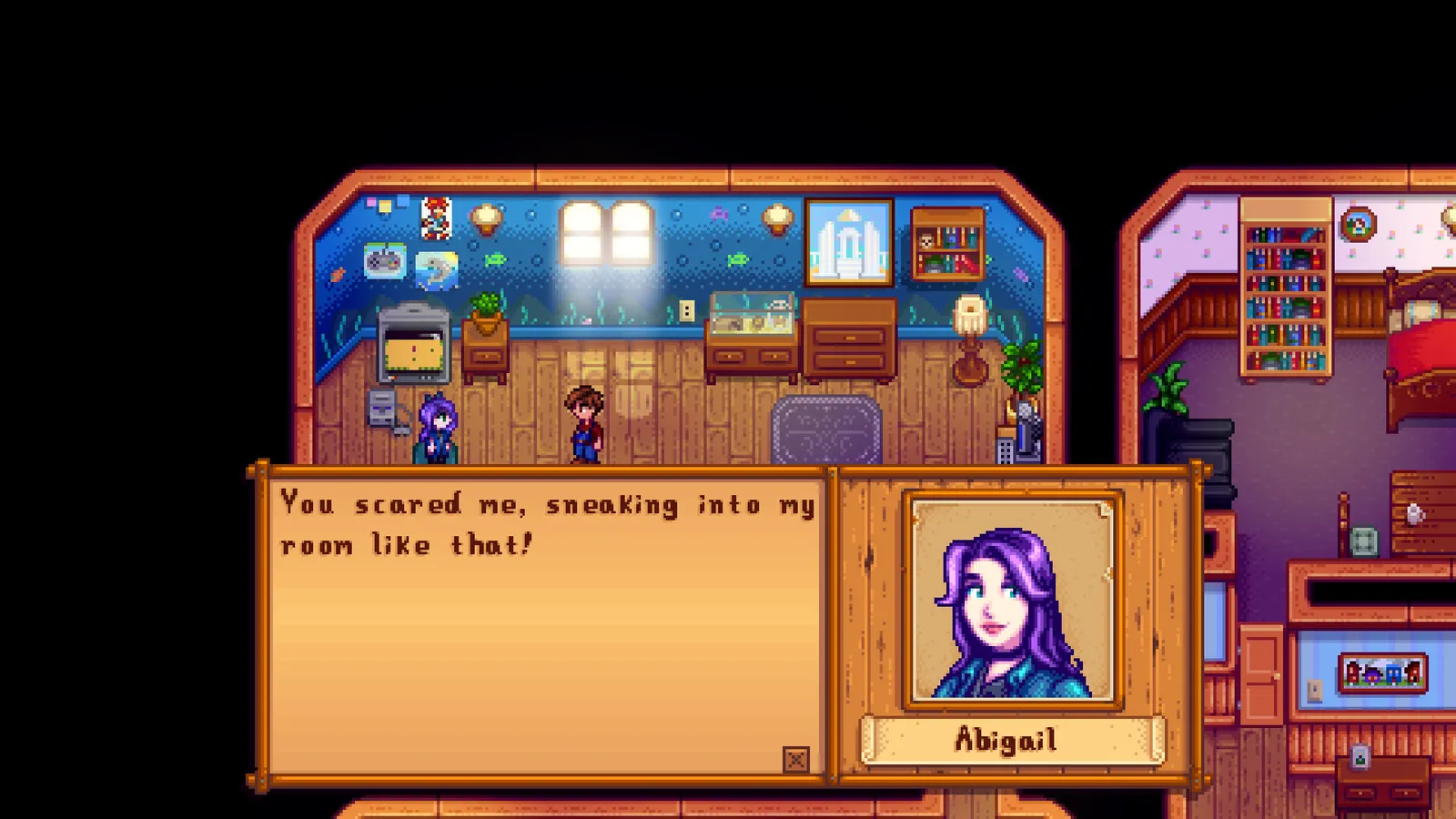
You can also marry another player. That proposal uses a crafted Wedding Ring, whose recipe is sold by the Traveling Cart, rather than the Mermaid's Pendant used for an NPC proposal. Playing together does not require marriage; it is an optional part of the life you build.
Time, hosting and saves
In online co-op, opening your inventory or talking to a villager does not pause the day for everyone. The host can use /pause in chat when you need a break and /resume to continue. In local split-screen, time can pause when all players are in menus or cutscenes. One person's open menu is not enough while someone else is still playing.
At bedtime, everyone still in the session needs to sleep or pass out before the day can end. Finish the end-of-day screens and wait for the next morning before the host closes the game: the normal multiplayer save happens at that transition. Quitting the host's game midway through the day loses the progress made since the last save.
The host keeps the farm's save, including the other farmers' progress. Farmhands cannot load that world independently when the host is absent. The host can, however, play the farm alone. If they do, the calendar and world move on for the group: a friend who misses those sessions can return to a different season. Agree whether this is a farm you advance only together before that becomes a surprise.
For a first shared farm, settle three things: who will host, whether money is pooled, and whether anyone should wait before advancing the calendar. If you are still deciding what kind of farm to run together, our selection of co-op farming games compares the wider options.