You know how to get the awkward object through the door, where to take the cart and which noise means trouble. So you grab the loot, call every turn and finish the extraction. Your friends survive their first trip through R.E.P.O., but may have learned little beyond how to follow you.
We recommend giving each newcomer a complete job: find something, choose a route and get it to extraction, with help when needed. Your experience is most useful when it creates room for them to act. That means accepting a slower haul and a few dents, while still warning them about dangers they cannot reasonably anticipate.
Start a run everyone can learn from
Begin a fresh run together instead of dropping first-time players into your advanced save. Later levels increase the demands on the group; learning the grabber while everyone else rushes through familiar routines is an unnecessary extra hurdle. Explain that this session is for learning, so the other experienced players also leave useful work for the newcomers.
In the first quiet room, give them time to practise grabbing, rotating and releasing an object. Check their actual bindings rather than reciting yours. R.E.P.O. supports gamepads and a Spanish interface; help them choose a setup they can use comfortably. Confirm that everyone can hear the in-game proximity chat and knows how to mute or use push-to-talk.
Keep the initial briefing short: retrieve valuables, meet the extraction targets and get back to the truck. Explain the next mechanic when there is something to do with it.
Let them lead a shared carry
Start with a small object and a short route to the cart. Let the new player judge the clearance around furniture, adjust the object's position and put it down. If it catches on a doorway, point out the obstruction before grabbing it yourself. An awkward turn is a useful chance to practise while there is no immediate threat.
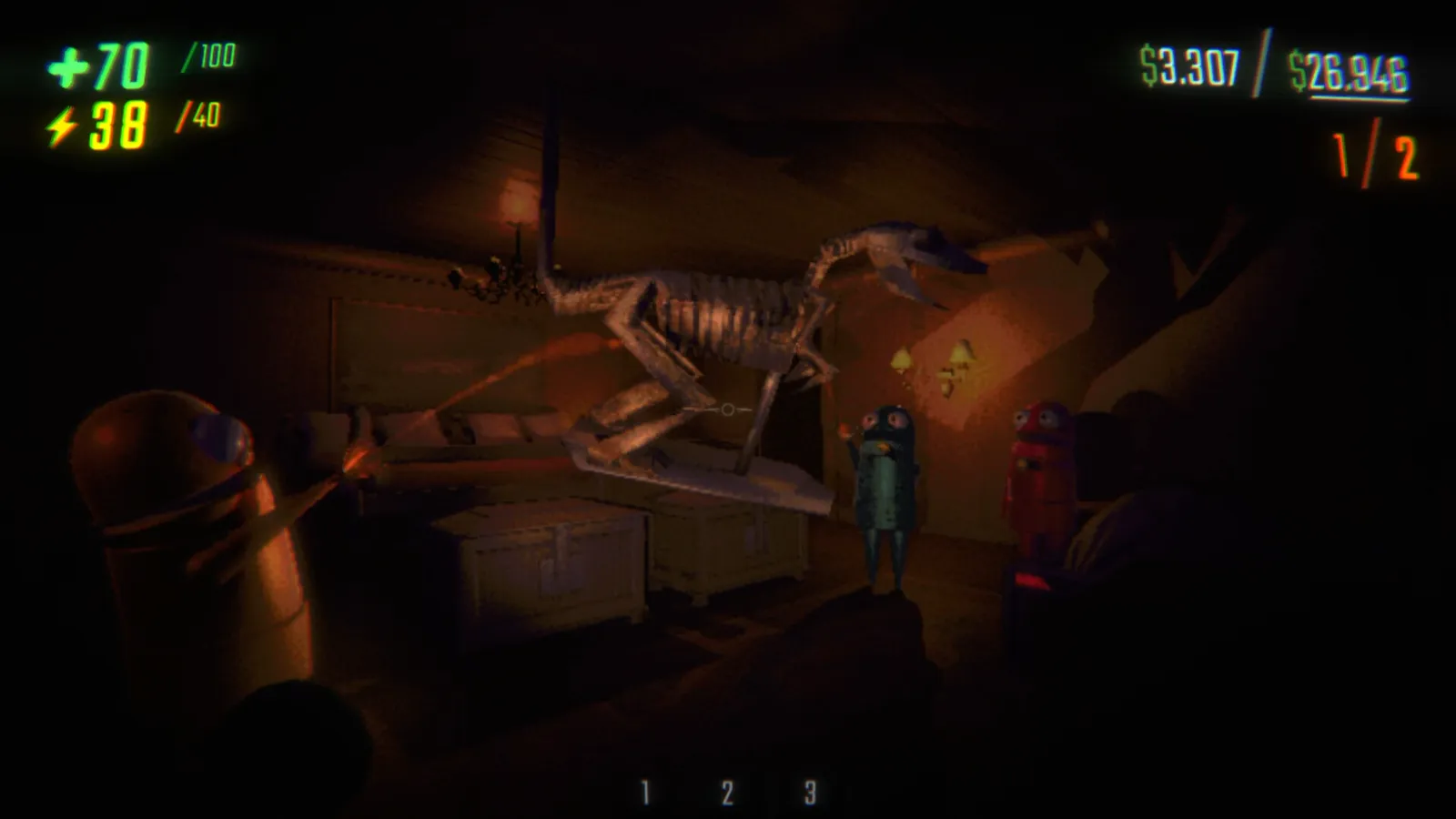
For something too heavy or unwieldy to move comfortably alone, help with the lift and agree who calls the turns. A newcomer can lead a shared carry even when your extra hands are necessary. If they call a stop, stop; pulling on while explaining what they should have done only makes the next movement harder to understand.
- They carry; you prepare the route. Open the next door, move yourself out of the way and watch the approach.
- They move the cart; you keep track of the others. Let them choose how to negotiate a corner before offering a correction.
- You demonstrate one manoeuvre; they try the next. Hand the object back once the immediate difficulty is clear.
Rotate these jobs. Leaving the same beginner beside the cart all evening gives them little practice finding valuables or navigating the building.
Give the warning they can act on
Discovering what is waiting around the corner is part of the appeal of co-op horror games. Agree how much your friends want explained about enemies, but do not turn an avoidable death into a surprise lesson. If you recognise an immediate danger, give the useful instruction first and the explanation once there is time.
Make warnings specific to the situation: which doorway to avoid, where you are waiting or whether the enemy ahead reacts to sound. A long explanation over proximity chat can leave the person carrying loot trying to listen, steer and identify a monster at once. Let one experienced player speak; three overlapping corrections are difficult to use.
When the route is clear, leave some silence. Ask the newcomer where they would take the cart next, then give them time to answer and move.
Let them finish the extraction
At the extraction point, have a newcomer check the required value against what the group has brought. Let them help place the load and handle activation once everyone is ready. Before starting, check that the cargo is fully inside the marked area and everyone has stepped clear. Show them how the countdown warning highlights valuables at risk of being crushed if they stick out.
Before the final extraction, make sure they know the route back to the truck. Have them identify the next doorway or check the map themselves. Following your robot out is easy; recognising the route when you are separated is the skill they need next.
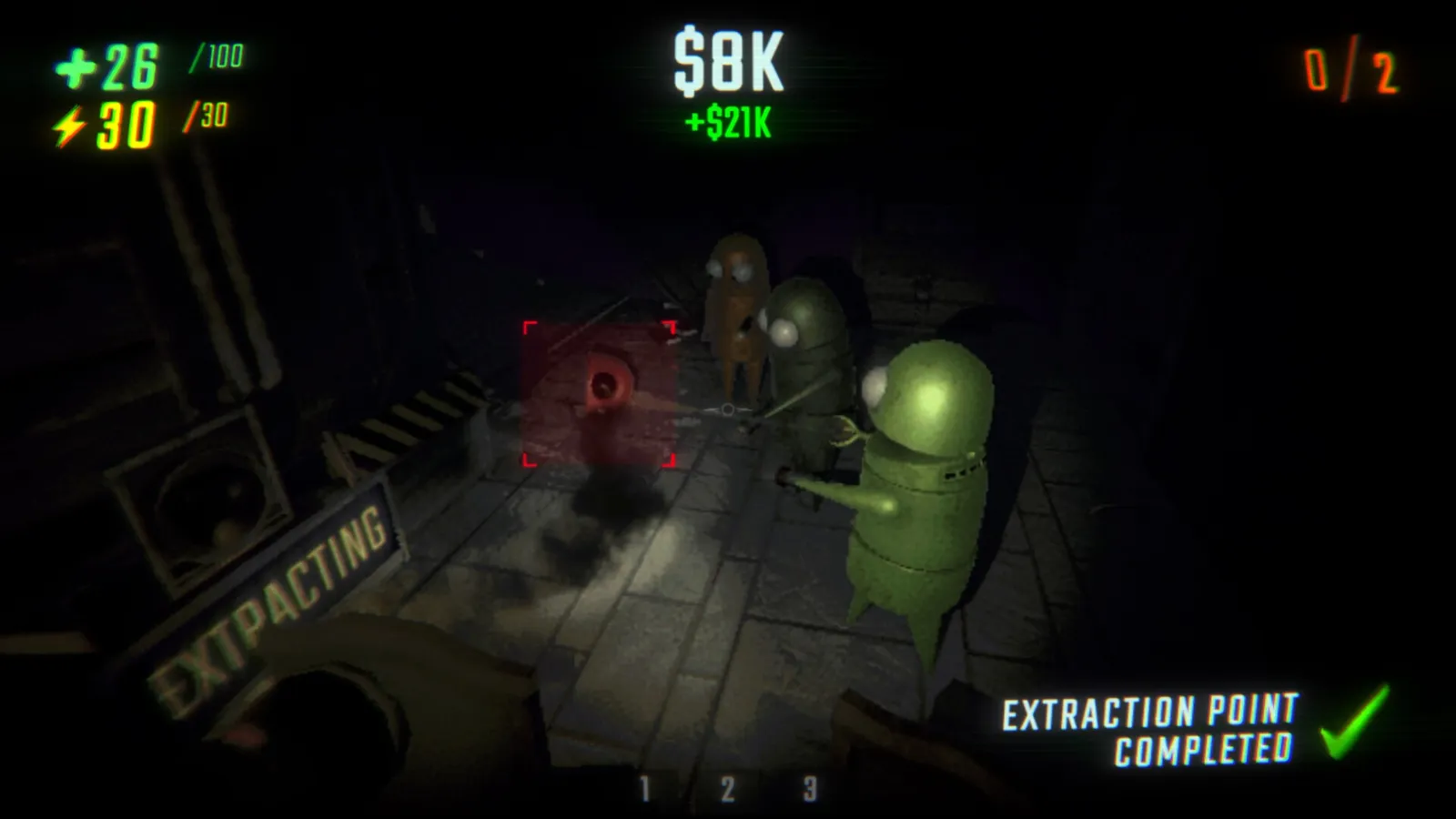
Damage can reduce a valuable's worth, but avoid declaring the run ruined over one mistake. The game spawns smaller valuables if too little value remains in the level to complete extraction. That safeguard does not repair the object or remove the danger of collecting more; it does mean that a bad collision is not automatically the end of the attempt.
Step in for danger, then return control
Use the consequence to judge when to intervene. A slow turn with a modest item usually leaves room to learn. An approaching enemy or an object hanging over a drop calls for a quick warning and, if necessary, direct help. Once the immediate danger has passed, let the newcomer resume the job.
If someone dies, explain the recovery plan rather than silently collecting everything yourself. A surviving teammate can bring their head to an extraction point and revive them through a completed extraction, or take it to the truck during the escape after the final extraction. Choose a recovery you can manage without losing the remaining crew.
Death does not mean they have to spend every moment as a spectator. While they are dead, their head's battery recharges, letting them take control of it temporarily and interact with their teammates. Explain this option if they have missed it. After a recovery or failed run, discuss one concrete adjustment, such as setting an object down before turning, and let them try again.
Let them help choose the upgrades
At the shop, connect spending to what the new player found difficult. Were they struggling to lift things, running short of stamina or taking damage before they could retreat? Explain the relevant upgrades on offer and who would use them, then let the group decide. Automatically giving every useful purchase to the strongest player keeps everyone else dependent on that player.
On the next trip, let the newcomer lead a task they have already practised while you take a supporting job. Judge progress by whether they can notice a problem and ask for the help they need. When they can tell you to hold the door while they turn the load, your experience has helped them become a teammate with a plan of their own.