A friend picks the reply you would never have chosen. The conversation turns sour, and now you both have to deal with it. In Baldur's Gate 3, that can be the start of a favourite story, or the moment you wish you had kept your first campaign to yourself.
Start with friends if discovering what happens together matters more than choosing every outcome yourself. If your main attraction is inhabiting one character, following particular companions and reading at your own pace, start solo. For players who want both the story and company, our first recommendation is a two-player campaign with someone who enjoys a similar pace. You do not need to finish the game alone before co-op makes sense.
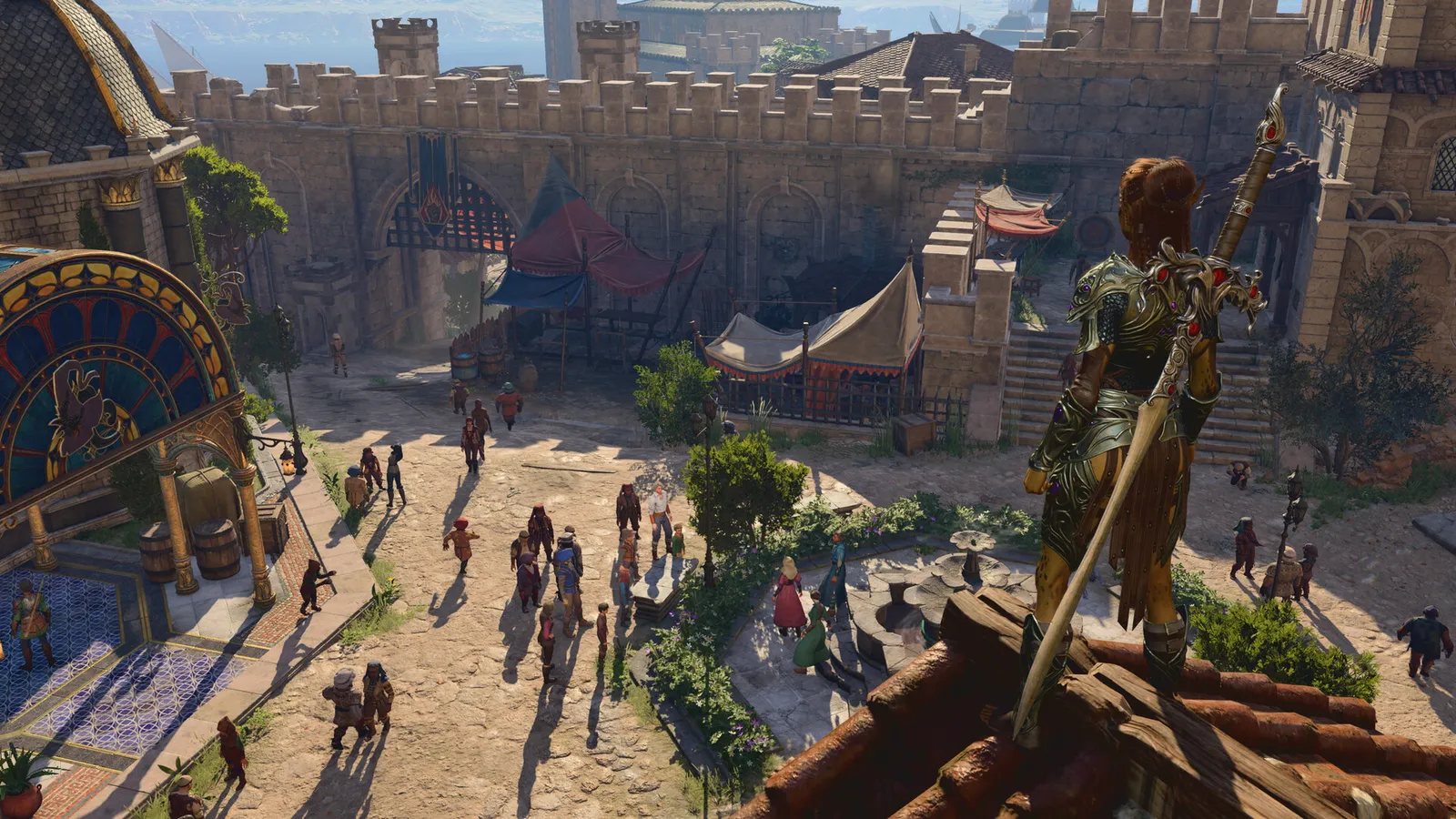
Who chooses the dialogue?
Usually, the character who starts a conversation becomes its speaker. Other players can listen and suggest a reply through the voting interface, but the speaker makes the selection. A vote is advice, not a majority decision that the game enforces.
That distinction matters more than which friend hosts the session. Taking turns talking lets different characters express themselves; appointing one permanent spokesperson can leave everyone else watching much of the role-playing. A charismatic character may be useful in negotiations, but always letting them speak is a choice for your group, not a requirement for enjoying the campaign.
Enable Eavesdrop in the online gameplay settings if you want to follow conversations together. It automatically listens in on another player's dialogue when possible. You can also join conversations manually, while private scenes remain an exception. The setting helps you keep up; it does not make four people exploring different places experience everything in the same order.
For a first campaign, agree to wait at promising conversations until everyone who wants to listen is ready. If one friend already knows the game, ask them to explain a rule when needed without announcing which answer leads to the best reward. Discovering that a plan was a terrible idea is part of the appeal. Having someone prevent every mistake can turn your first adventure into their guided tour.
Two players leave more room for companions
The standard active party has four slots, shared by player characters and recruited companions. Two players can travel with two companions; three players leave one slot; four players fill the party themselves. This is the unmodded setup, not four players plus a full supporting cast following behind.
That makes two a particularly good fit for a story-minded first run. You can each control a companion in combat, learn how another class works and bring characters whose reactions or personal stories interest you. It also means more character management per person than in a four-player group.
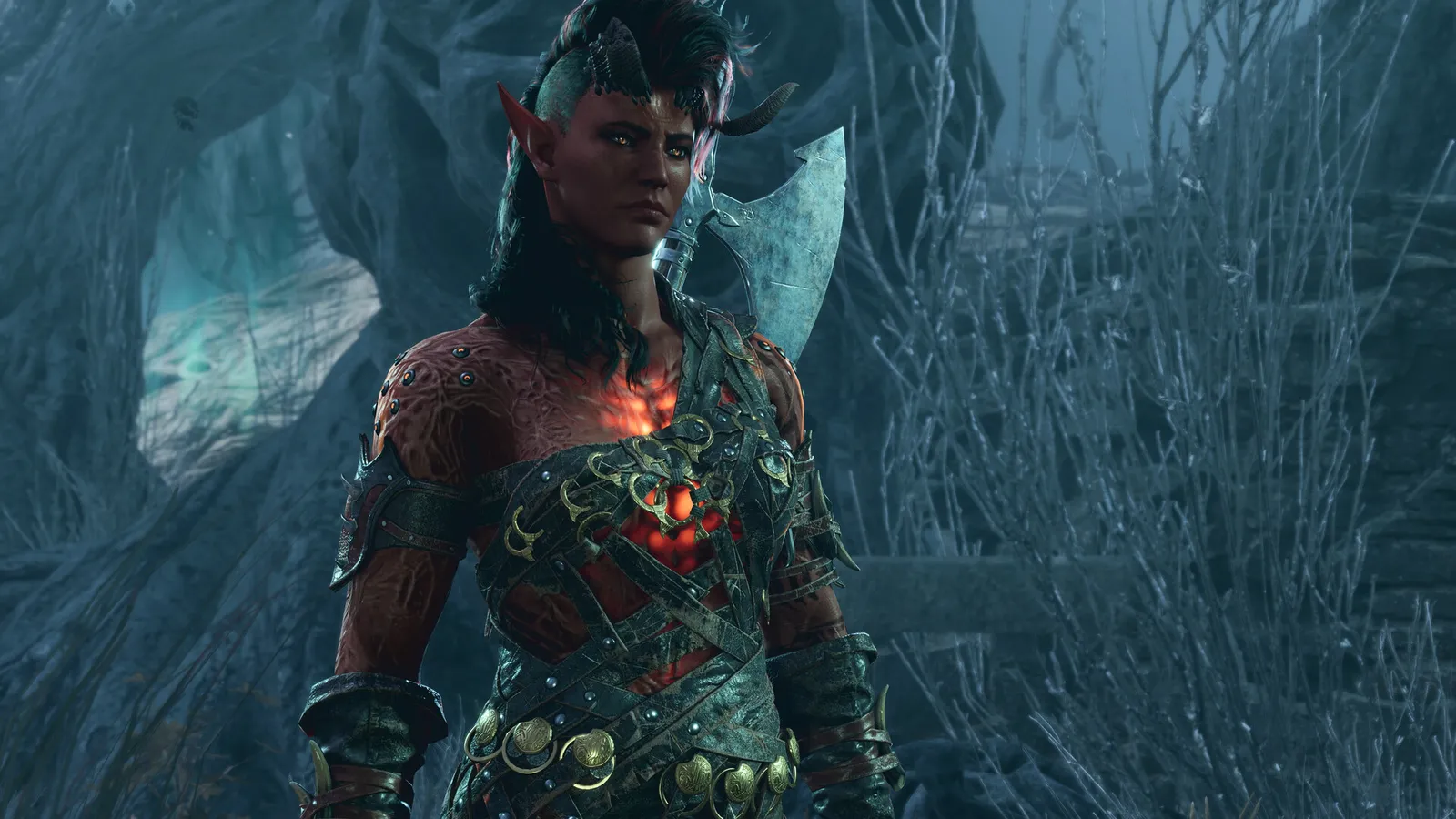
A four-player campaign does not remove companions from the game or erase conversations at camp. It does, however, leave no normal travelling slot for an additional companion while all four player characters are present. Choose four because you want those four people shaping the adventure, rather than assuming it offers the same companion experience as playing alone.
For a first group that wants flexibility when someone is absent, we recommend starting together with custom characters rather than Origins. Choosing a named Origin character is another way to play, but it changes your relationship with that character: one of you is playing them. If what interests you is meeting that person as a companion, leave them available for that role.
Make plans without taking over
Combat gives co-op something more substantial than an audience for your decisions. One player can look for an elevated firing position while another considers how to reach an enemy below. You can discuss whether to spend a spell now, retreat through a doorway or risk a shove near a ledge. Turn-based battles give those ideas space to develop.
The pleasure comes from each person owning a useful part of the solution. If the experienced player dictates every move, the newcomer may learn where to click without learning why. Offer two possible actions and let them choose; leave room for a spell or route you would not have tried yourself.
Outside combat, players can move independently. That freedom is valuable when everyone is happy to investigate different things. It is less comfortable when someone wants to read while another keeps starting trouble. A first co-op run works best when the group enjoys both making plans and allowing time for curiosity.
Treat the campaign as a shared appointment
Characters and world progress belong to the campaign save, rather than being portable heroes you bring into any friend's world. In the normal multiplayer flow, the host saves and loads the campaign, then invites the others back. Your visit does not advance a separate solo campaign on your own account.
The host can continue with players absent and assign their characters to someone else. Absent players' regular custom characters, often called Tavs, can also be dismissed through Withers' Wardrobe of Wayward Friends, freeing space for companions. This does not apply to player-controlled Origin characters, including the Dark Urge: being able to customise their appearance does not make them a regular custom character.
Being able to continue is different from wanting to miss what happened. If this is everyone's first story, we would keep the main campaign for sessions when the agreed group is present. A separate solo save gives an impatient player somewhere else to experiment, though playing ahead can reveal things the group has not reached. Do not rely on the game to preserve everyone's first discoveries for the next reunion.
Choose a difficulty and agree when to reload
Choose Explorer if learning the combat systems is getting in the way of enjoying the story, or Balanced if tactical problem-solving is a major attraction. You can move between those standard difficulties during the campaign. Custom Mode offers finer adjustments, including an option for short rests to fully heal the party.
For a first shared campaign, we recommend keeping normal multiple saves. Honour Mode and Custom Mode's single-save option change that safety net; leave them aside unless everyone specifically wants that restriction. On ordinary settings, a lost battle can be retried from an earlier save, and the host can reload after an unwanted outcome. Reloading rewinds the shared world, including anything another player has done since that save.
Decide which outcomes you want to live with. Keeping an unsuccessful persuasion attempt can make the story feel like your group's own, while reloading an accidental attack may save an evening from frustration. Neither approach is inherently better. The problem is one person expecting every failed check to be undone while another wants to see the consequences.
Check your setup before committing
Online: up to four players
Crossplay connects PC, Mac, PS5 and Xbox Series X|S. When playing online on separate machines, each player needs access to the game.
Link your platform accounts to Larian accounts and enable crossplay; the official crossplay setup instructions explain the lobby steps. PS5 online play requires PlayStation Plus; Xbox console online play requires a subscription that includes online multiplayer.
Local split-screen: two players
Local split-screen is available on PC, PS5 and Xbox Series X|S. On PC, you need two controllers.
Xbox Series S gained the feature in Patch 8, released on 15 April 2025. Native split-screen is not supported on Steam Deck.
Start without mods
For the first run, we recommend starting without mods. Modded multiplayer requires matching mods and versions; for crossplay, those mods also need to be available on everyone's platform. Establishing the group's preferred pace is enough to sort out on your first evening.
Choose whose story you want to discover
Choose solo if you would resent someone else committing to a reply before you have considered it. Choose a duo if you want to share discoveries while keeping space for companions. Choose a full group if the appeal is finding out what these particular friends will do with the same world, even when their answer would never have been yours.
If what your group really wants is character progression and fighting together, with less interest in long conversations, our selection of co-op RPGs can help you compare other approaches. Here, the conversations are part of the evening you are agreeing to share.
The useful test is simple: when a friend makes an unexpected choice, are you eager to see where it leads? If so, there is no need to save co-op for a second playthrough.