

- Steam pricePrice
- $14.99
- Release
- November 2, 2016
- Session GoalsGoals
- Platforms


How co-op works
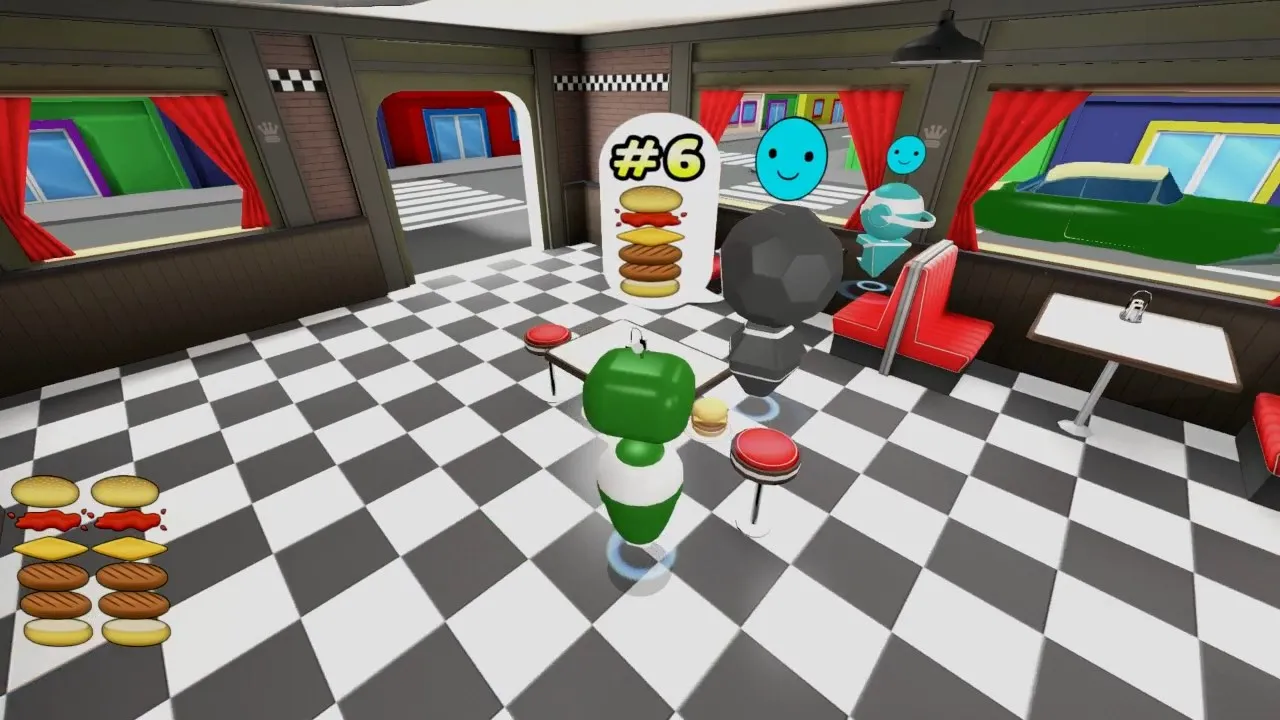
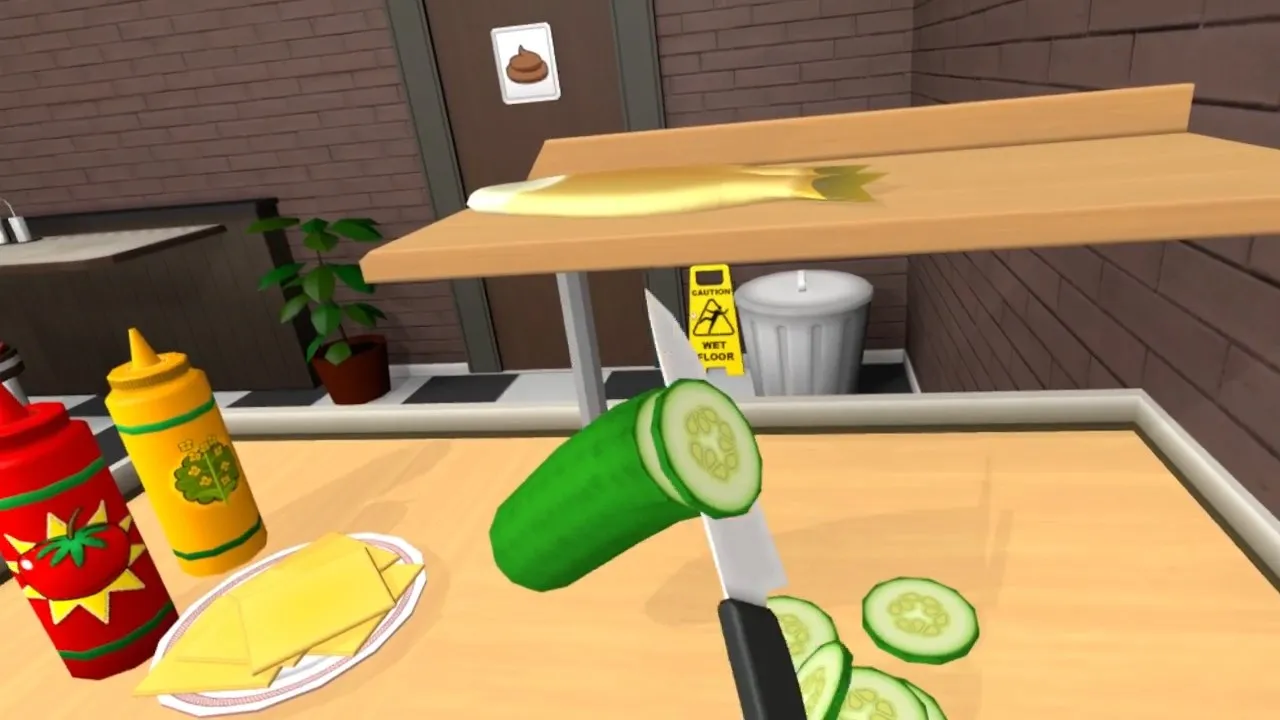
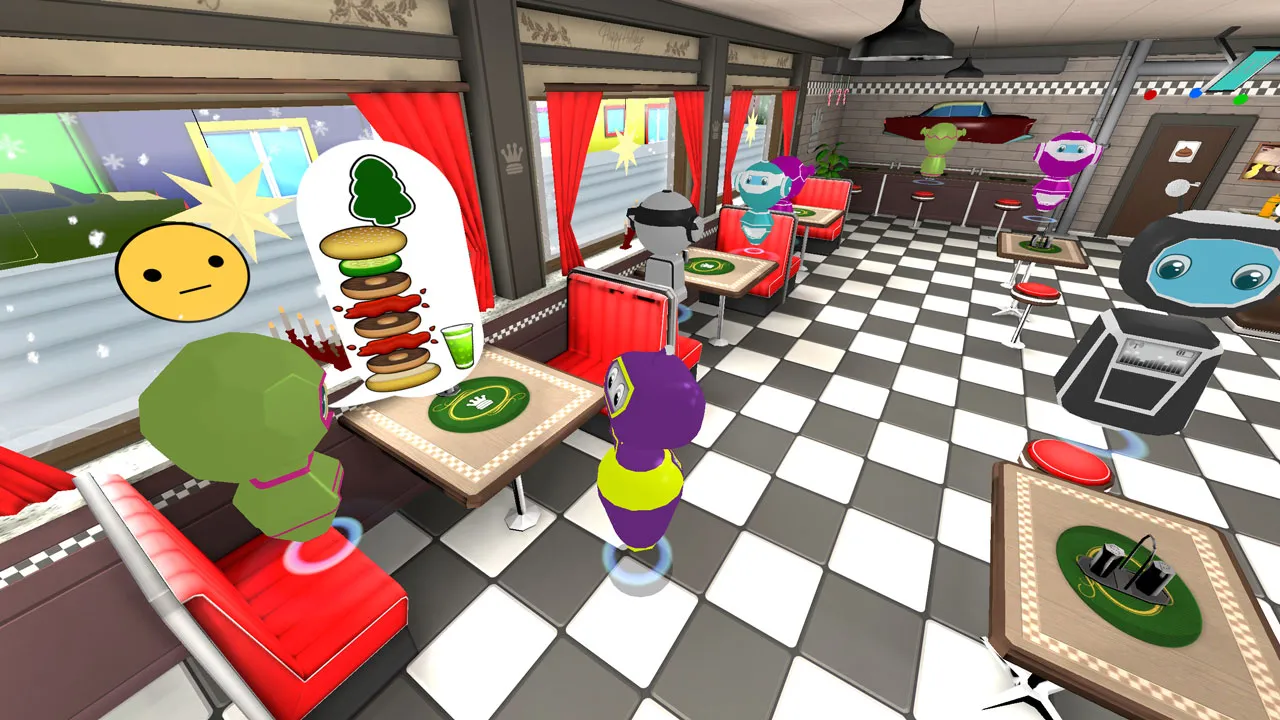
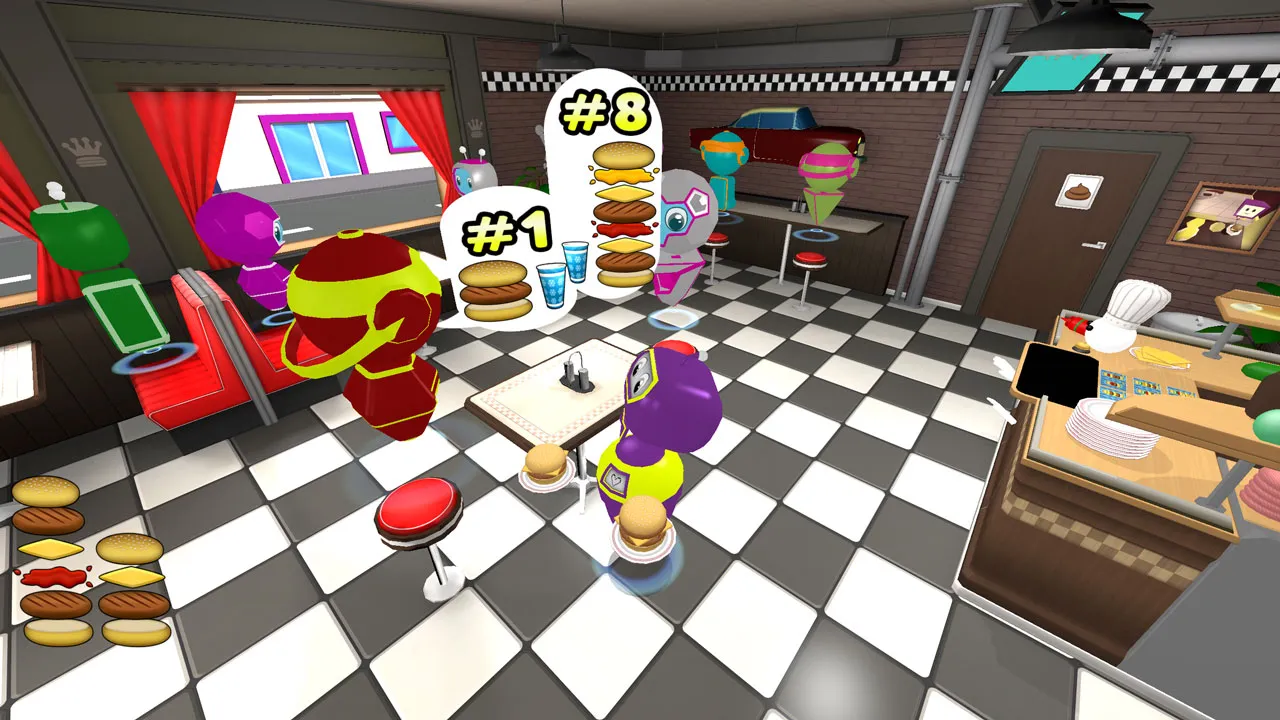
Two local players share one PC asymmetrically: the VR chef prepares timed food orders while the screen-side waiter takes requests, serves drinks, delivers meals, and manages customer patience with keyboard, mouse, or gamepad. Both roles must relay orders and synchronize handoffs.
About this game
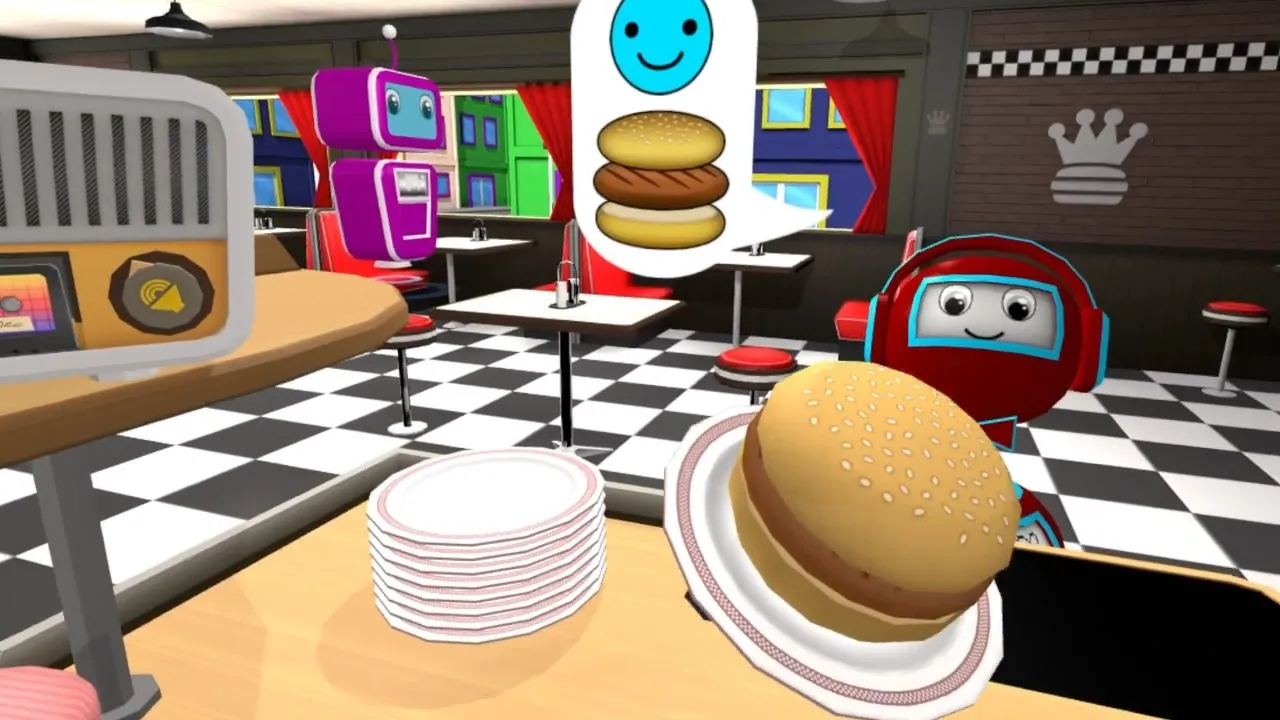
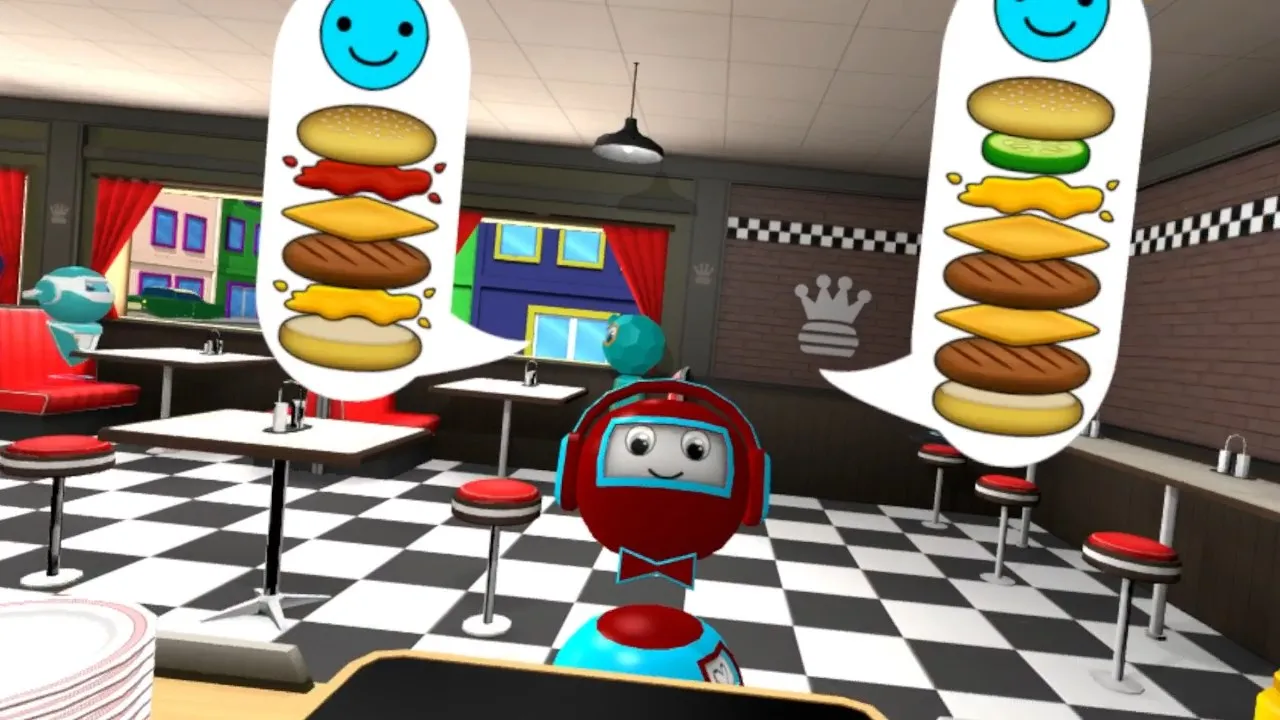
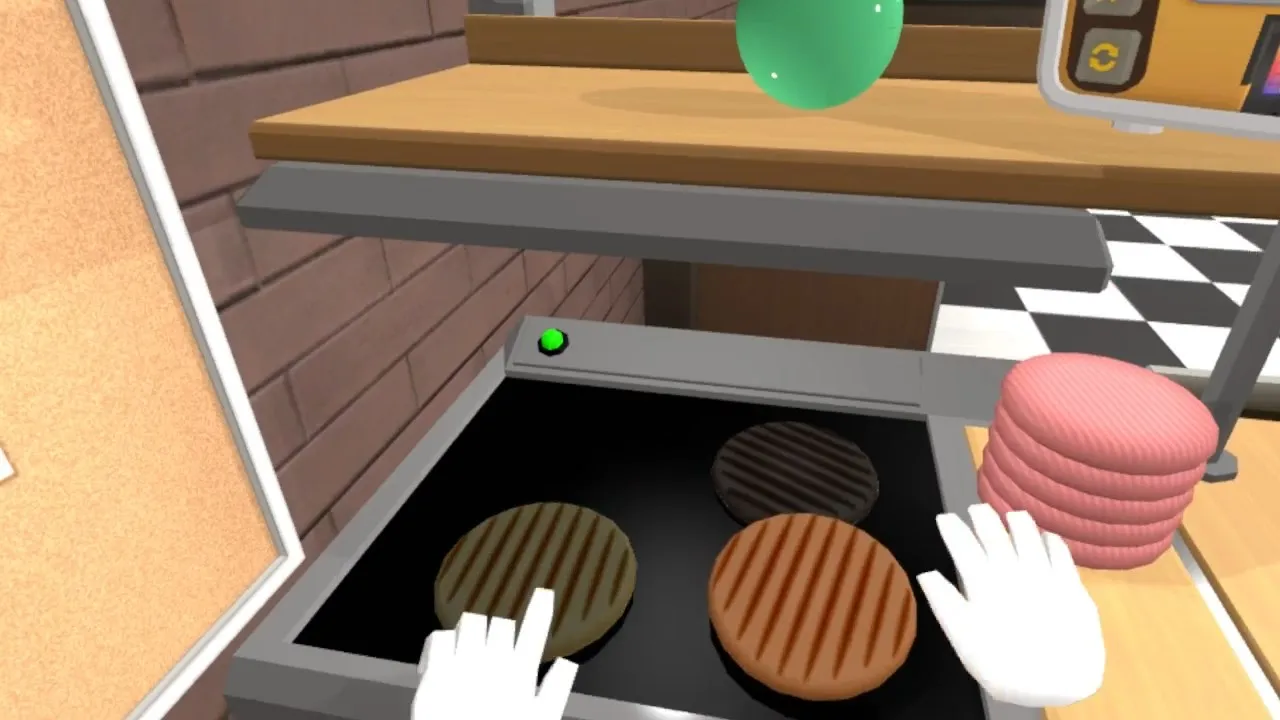
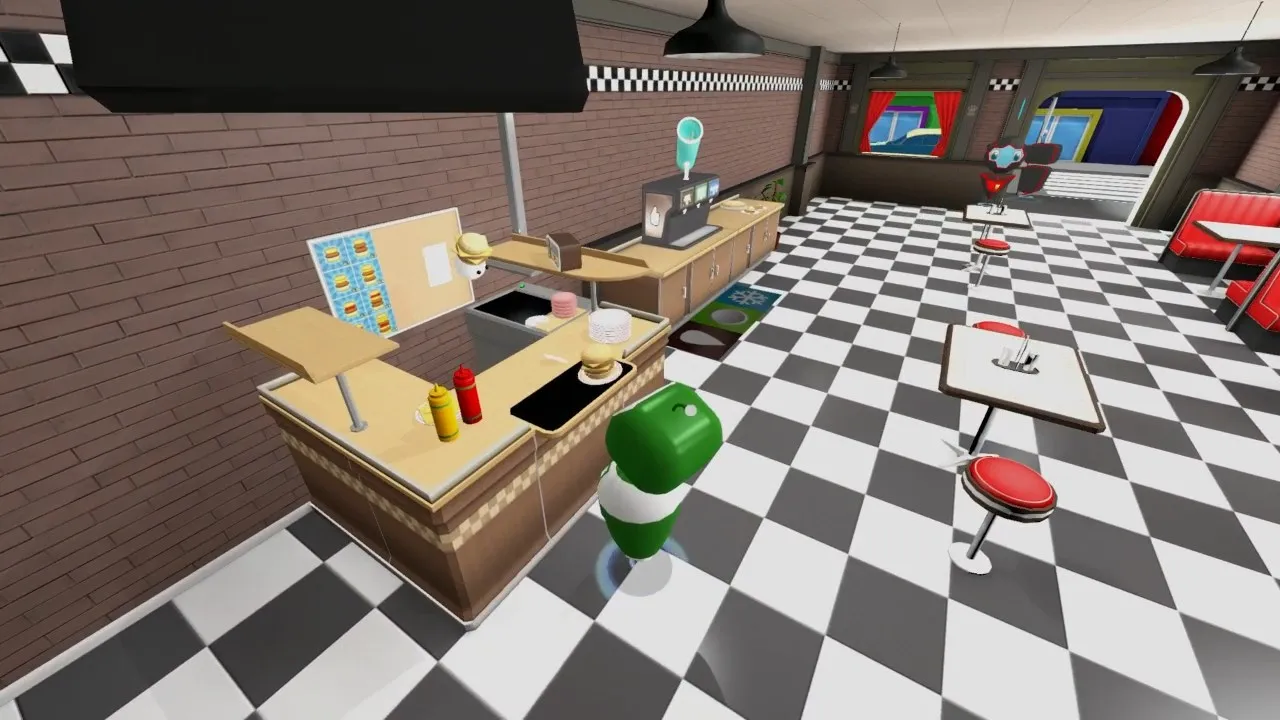
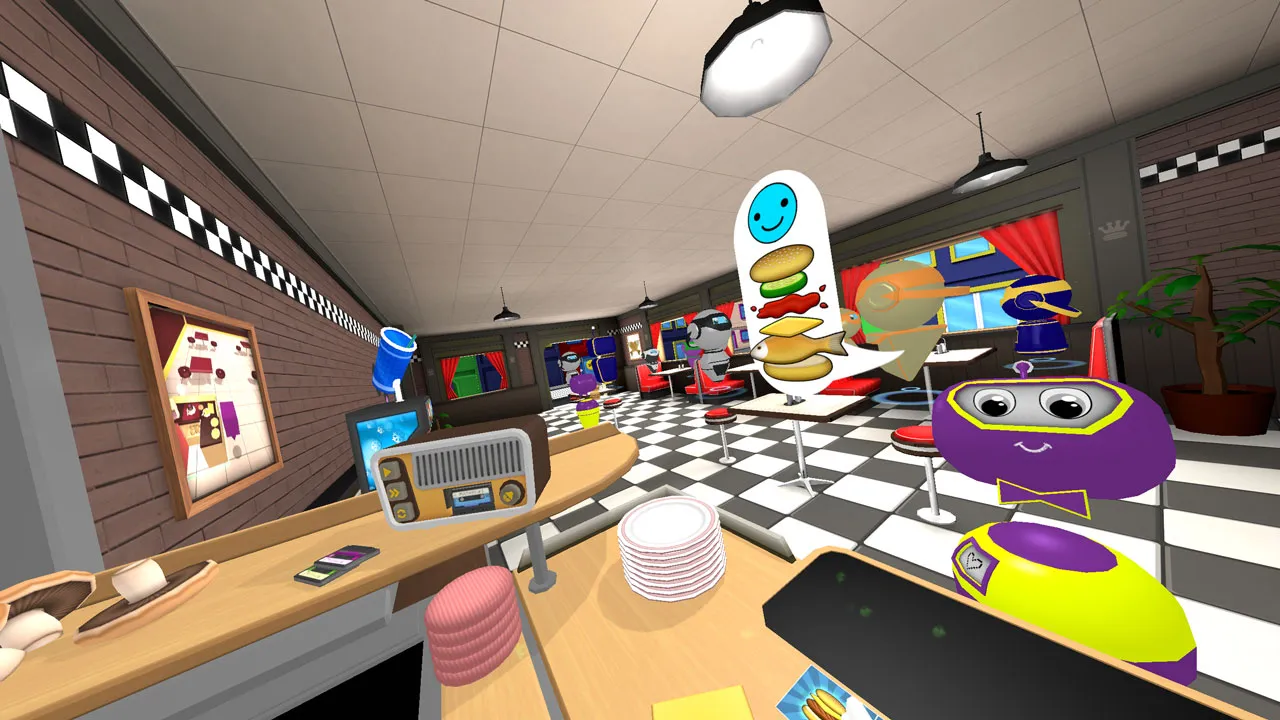
VR The Diner Duo pairs one player in virtual reality with a second on the monitor in a chaotic kitchen management game. The VR chef cooks and assembles orders while the waiter handles customers, takes requests, and delivers finished meals. Both roles demand constant communication and split-second timing.
Read moreShow less
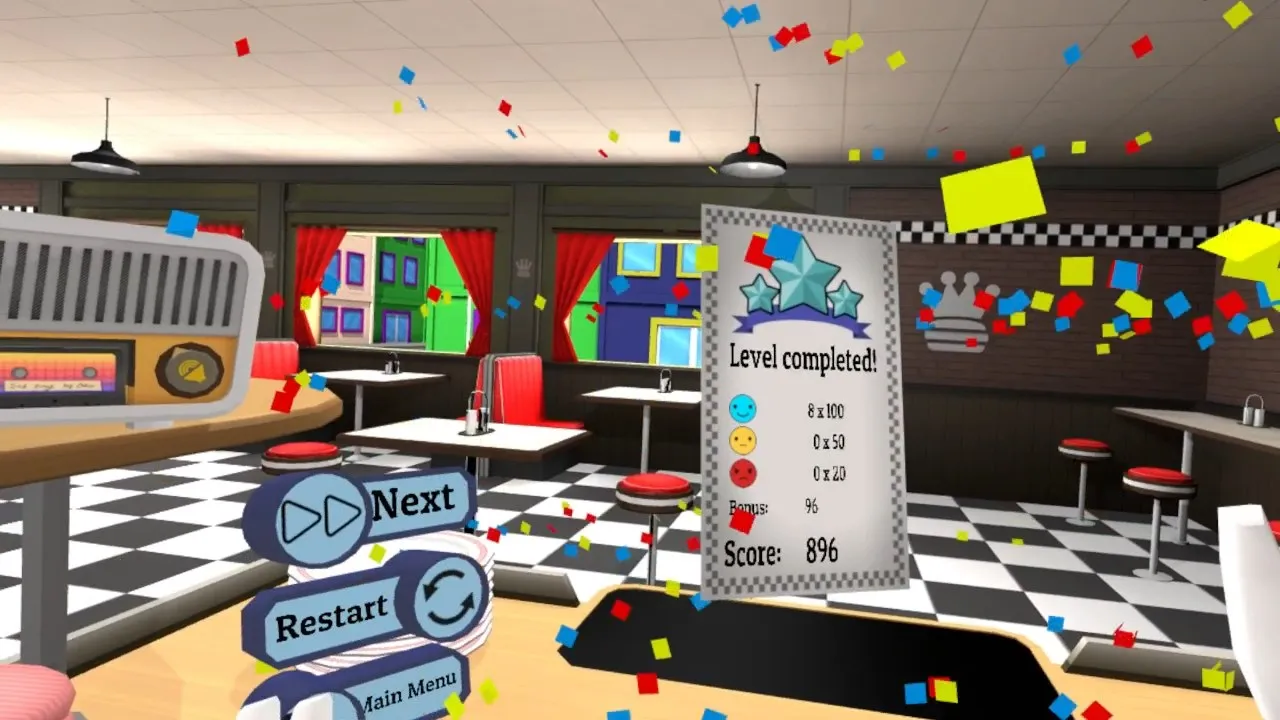
The core loop revolves around juggling multiple orders under mounting time pressure. Ingredients must be chopped, grilled, and plated correctly while the waiter queues tickets and keeps diners happy. Mistakes pile up fast, and success hinges on clear callouts and rhythm between both players.
Designed exclusively for local asymmetric co-op, one player needs a VR headset while the other uses a standard controller or keyboard at the same screen. Sessions turn into loud, laugh-filled sprints as the kitchen descends into controlled chaos and teammates scramble to keep pace.
Similar games
See more similar gamesAppears in these lists











Frequently Asked Questions
Do both players need a VR headset to play co-op?
No. Only the chef needs a VR headset. The second player (the waiter) uses a standard controller or keyboard and plays on the monitor. It's designed as asymmetric local co-op where one person is in VR and the other is not.
Can we play this online with a friend, or is it local-only?
It's built for local co-op on the same screen, though Steam Remote Play Together is supported, which lets you stream your session to a friend online. The core experience is designed around being in the same room together.
How important is communication between players?
Extremely important. The VR chef and the waiter need to constantly call out orders, ingredient status, and finished dishes to keep up with the time pressure. Without clear communication, the kitchen falls apart quickly.