

- Steam pricePrice
- $34.99
- Release
- February 15, 2024
- Modes
- Platforms


How co-op works
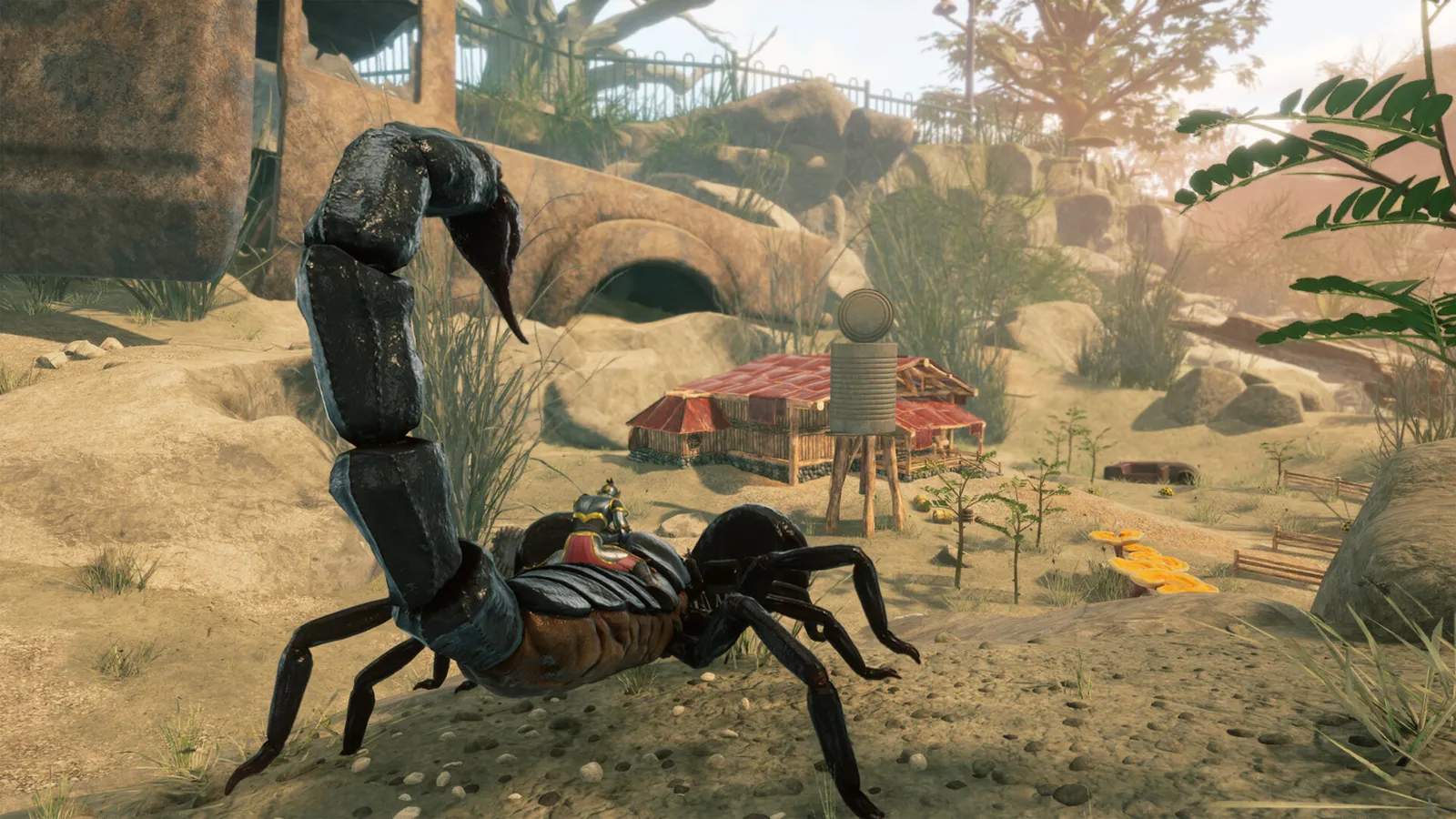
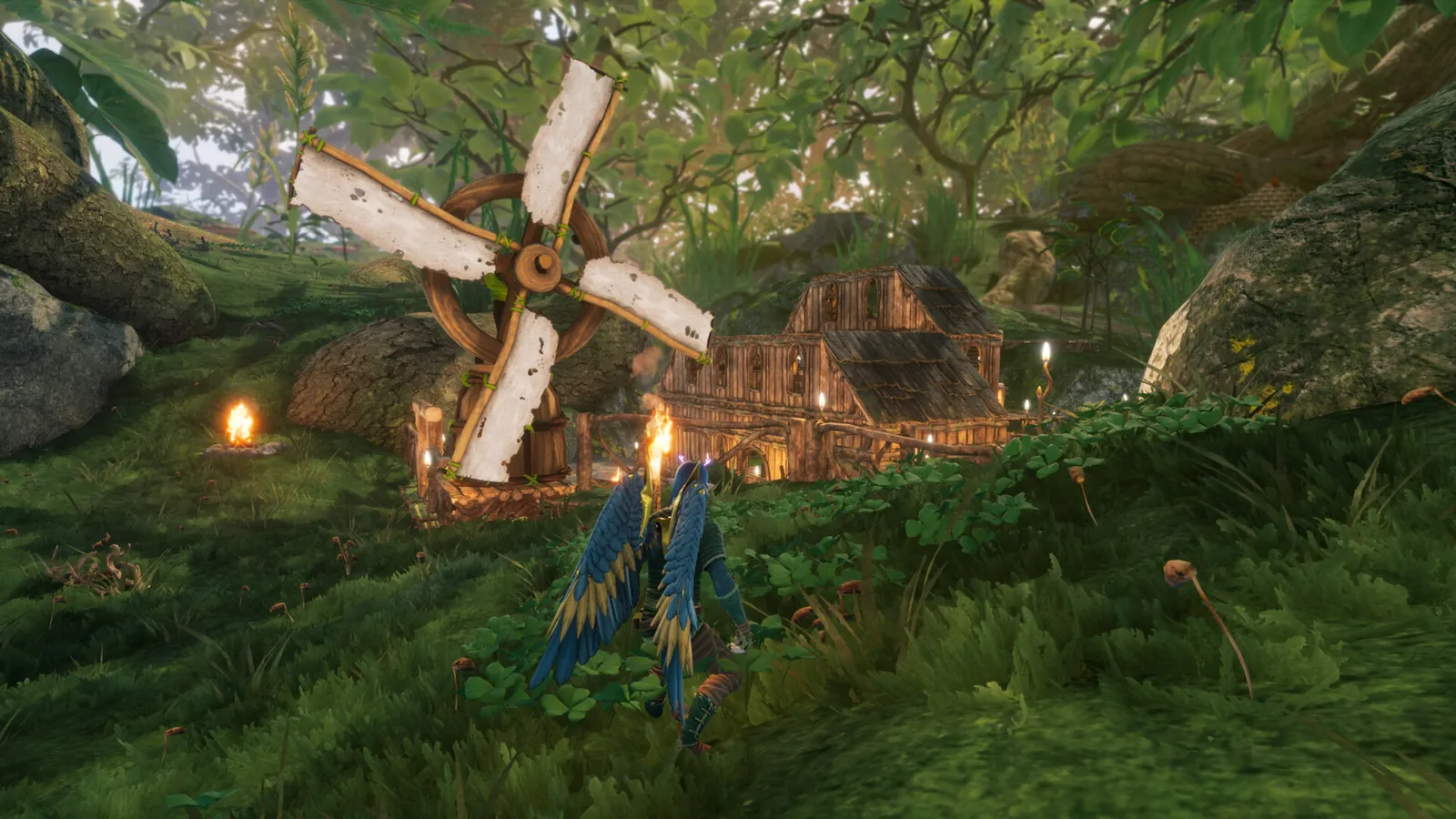
Up to ten Smallfolk share an online survival world, scavenging and refining resources, building camps, crafting armor, and fighting oversized creatures. Players divide exploration and construction, tame rideable insects, and can move Great Tree bases between servers instead of rebuilding for each host.
About this game
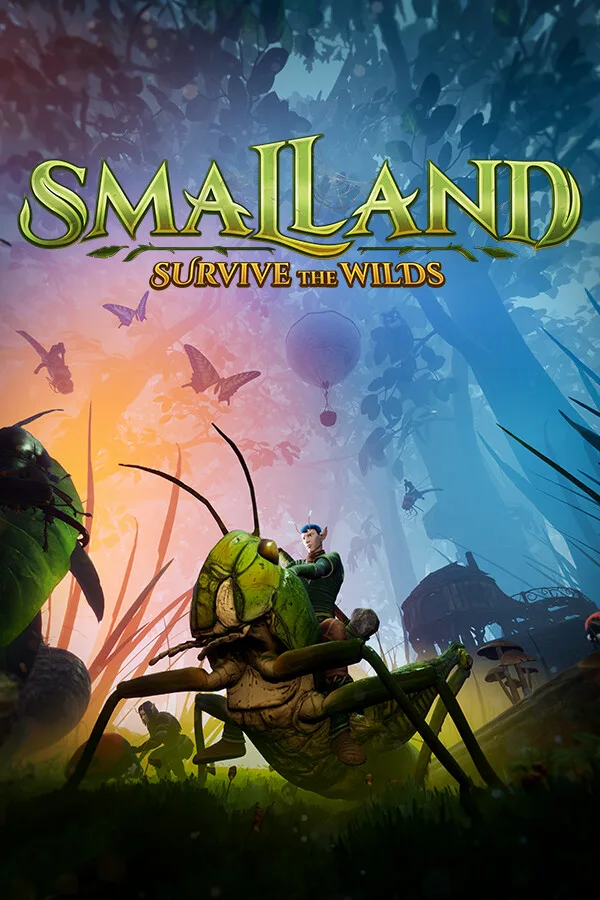
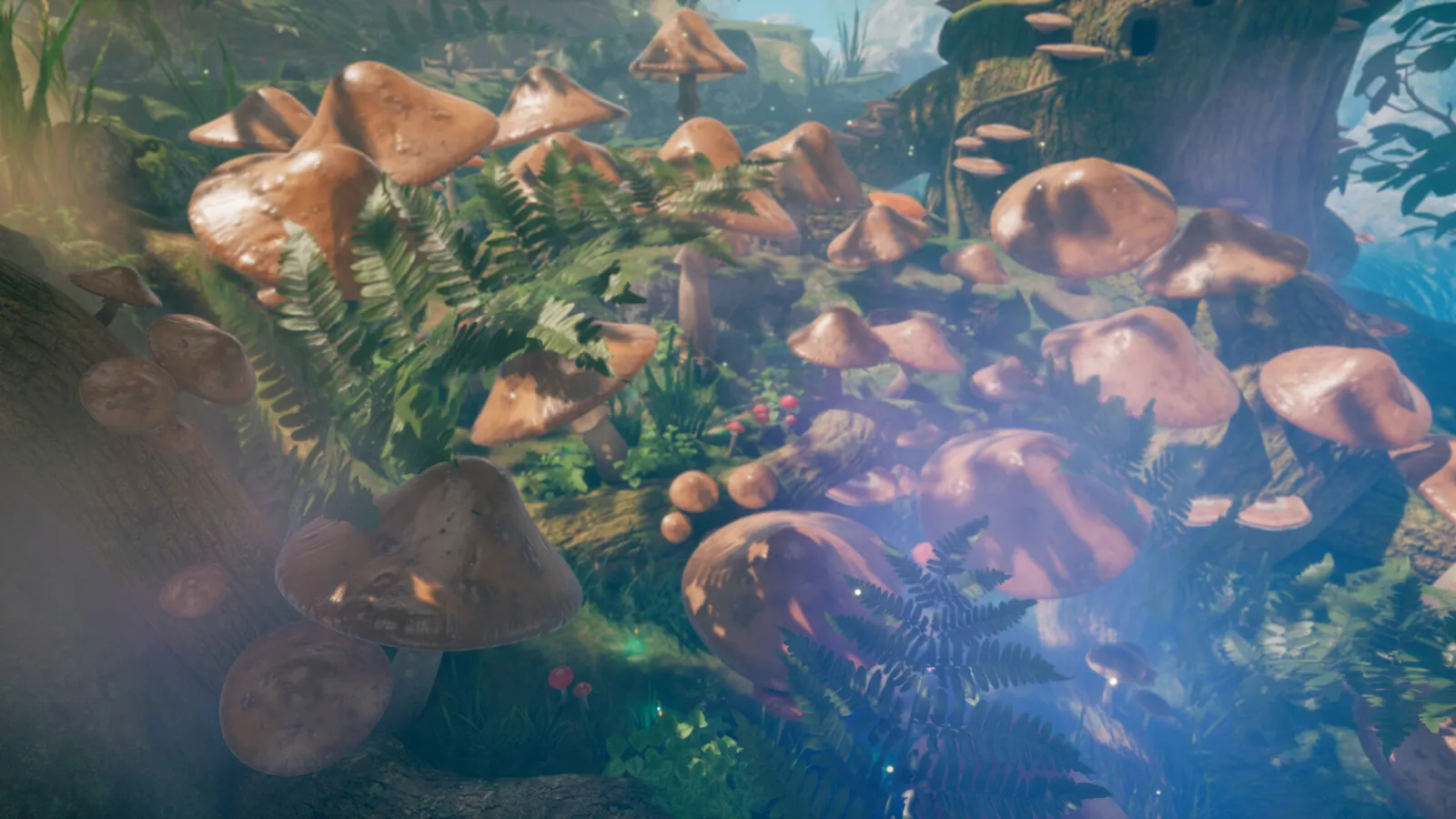
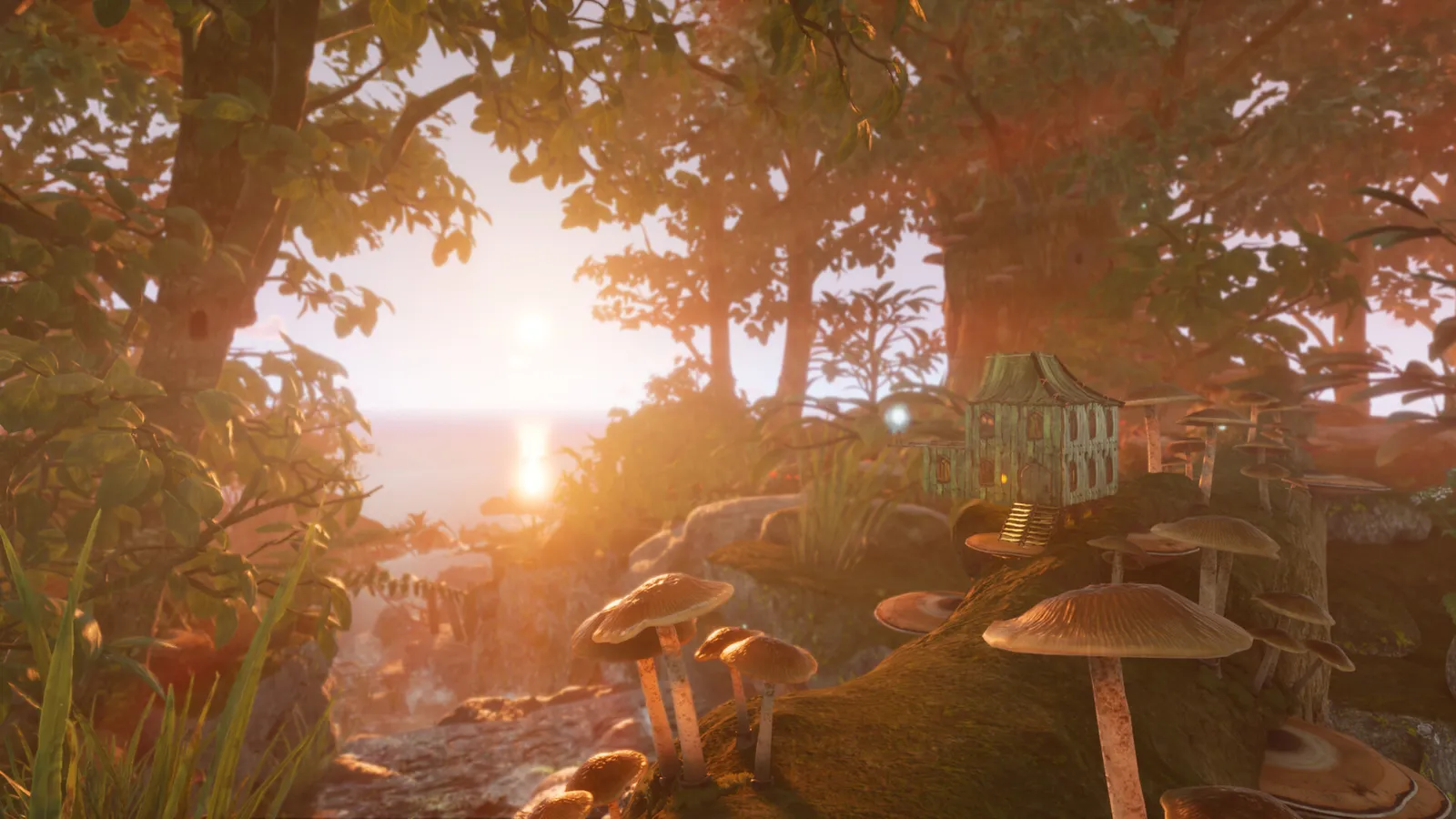
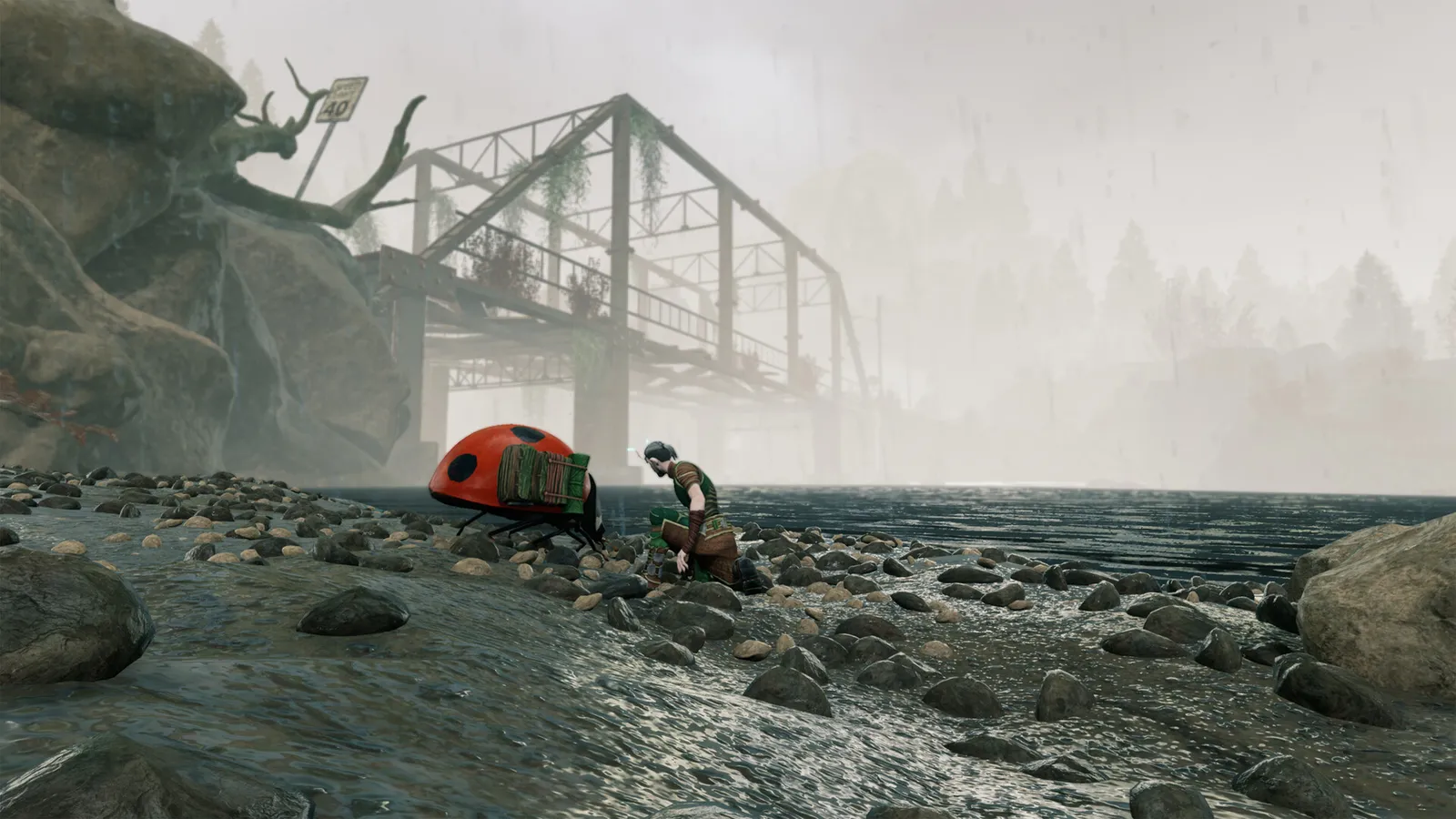
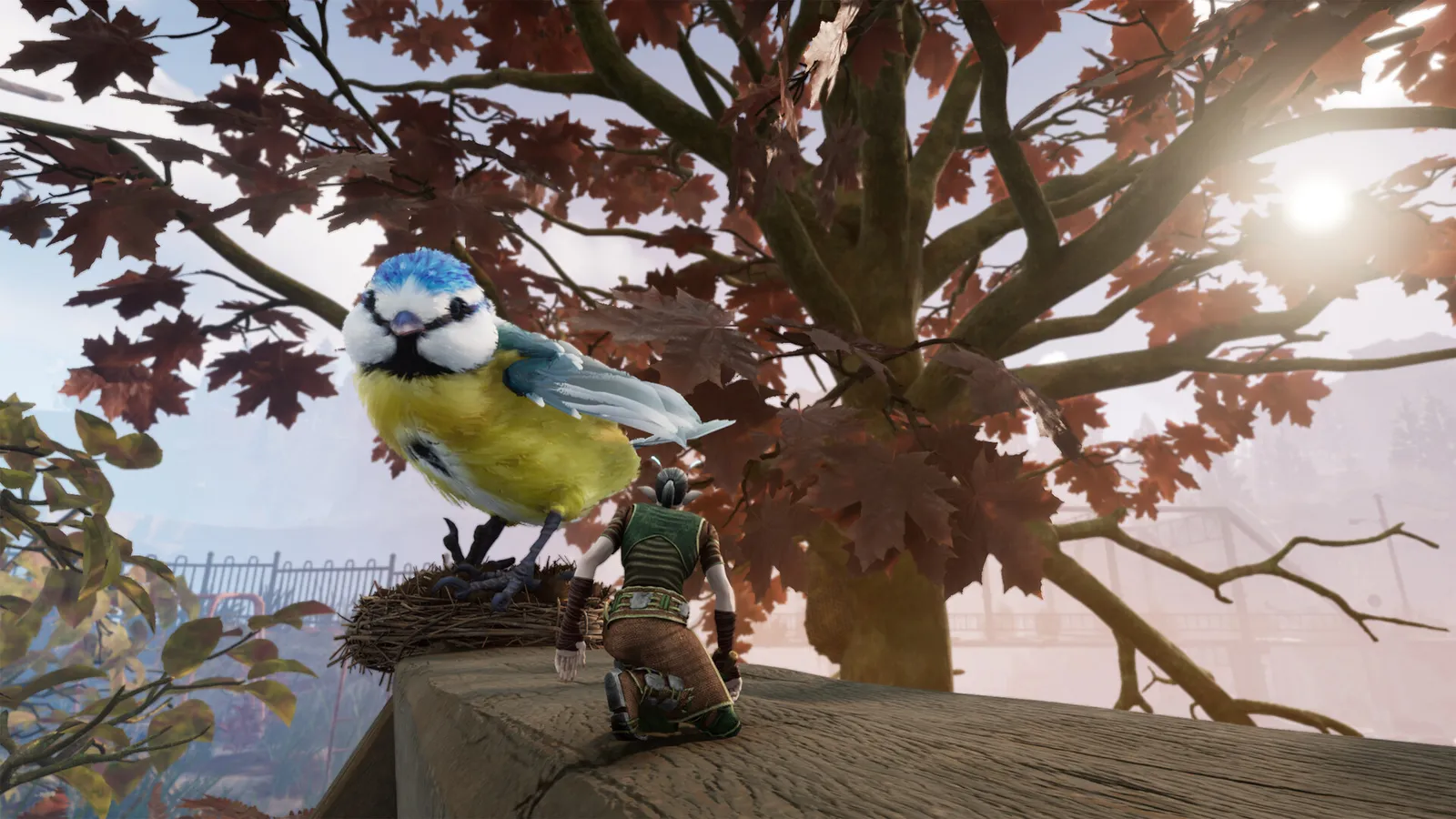
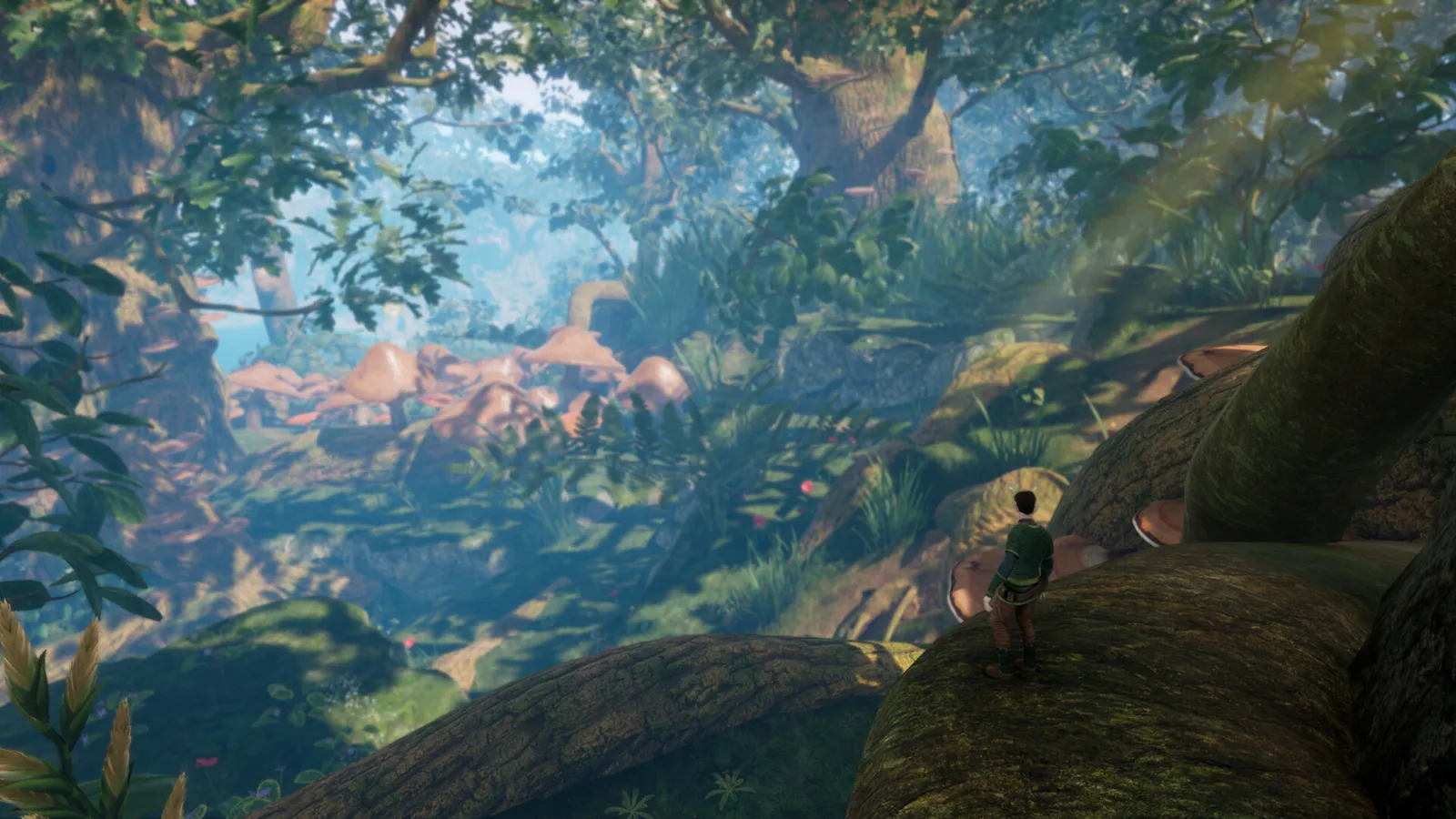
Smalland: Survive the Wilds drops you into a vast world where everyday insects and predators tower overhead. Playing at the scale of a tiny being transforms familiar survival into a high-stakes challenge, and the true co-op structure lets you split tasks like scouting, resource gathering, and defending your camp with other players.
Read moreShow less
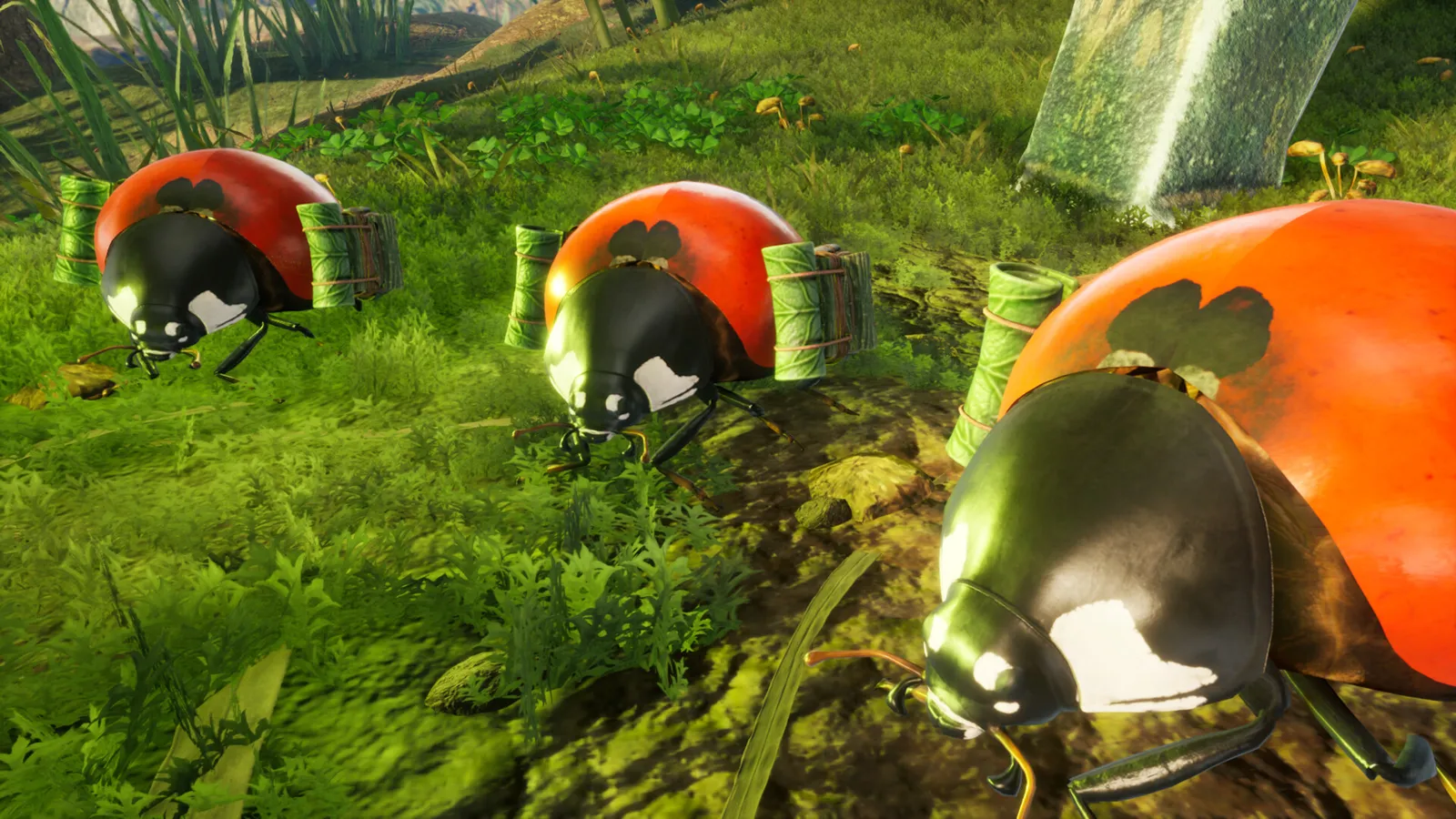
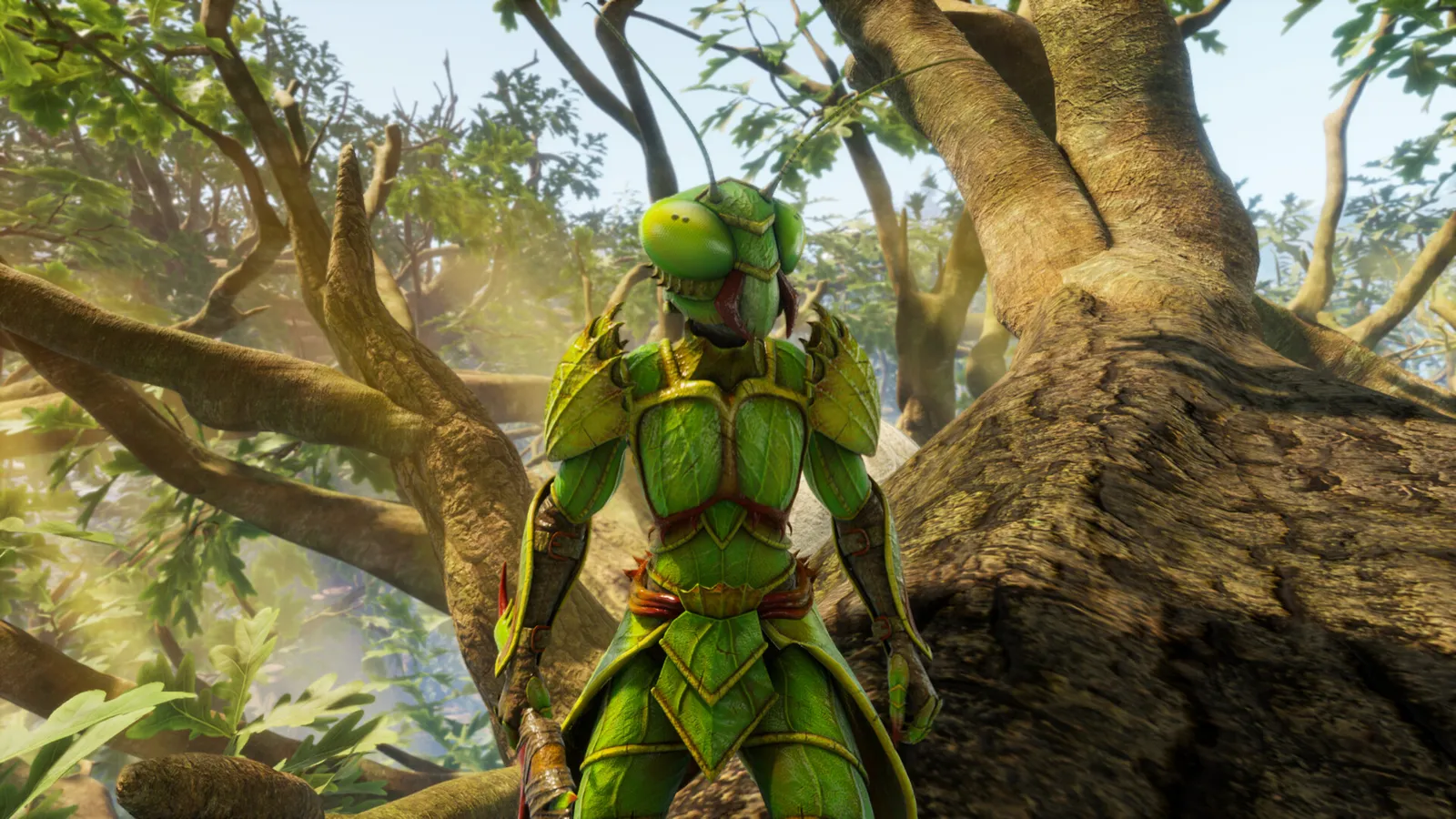
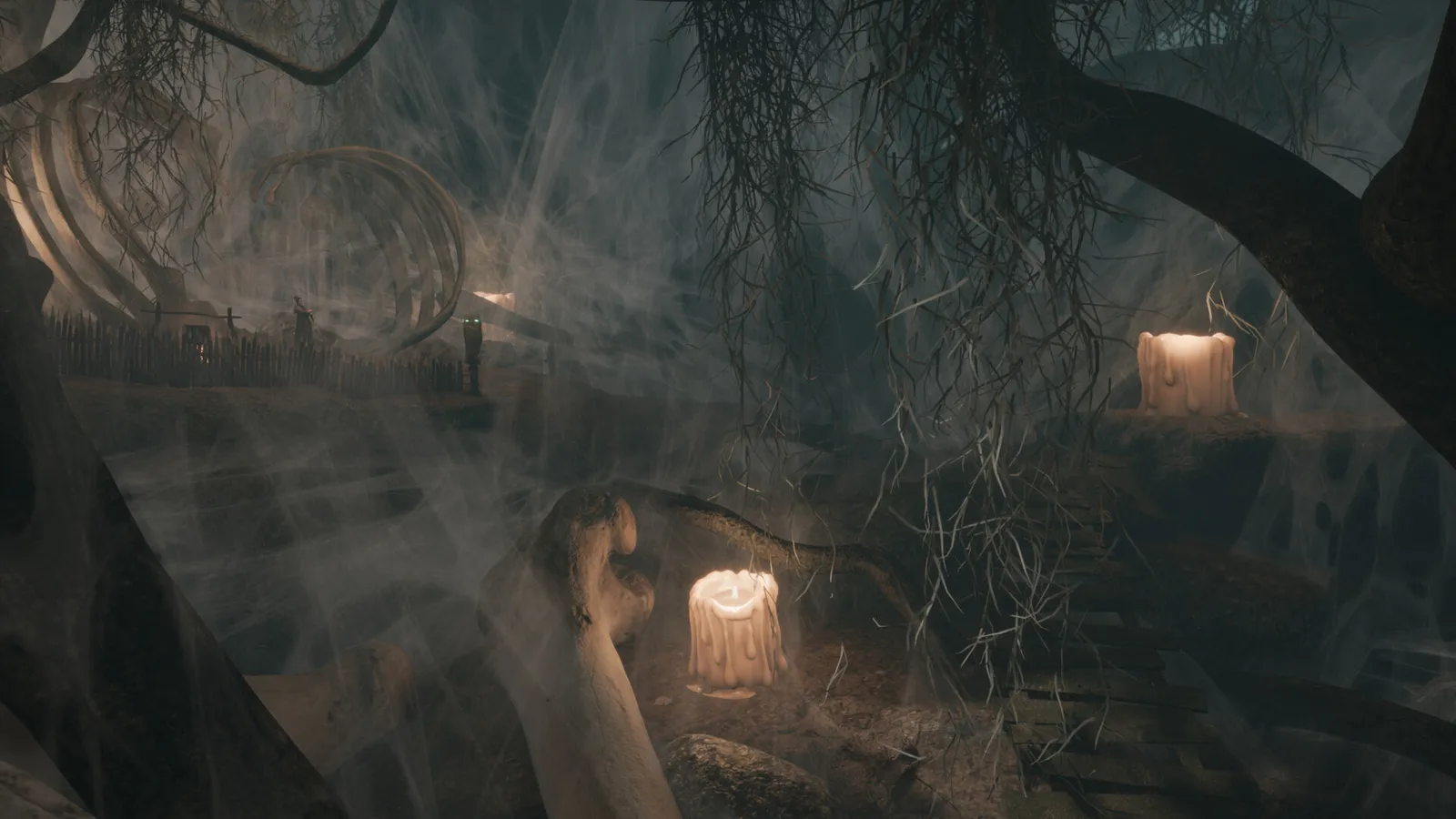
The core loop revolves around crafting tools and armor, taming creatures to ride, and establishing bases in a land that treats you as prey. Every expedition demands planning, and coordinating with teammates turns routine supply runs into tense adventures when a spider or bird closes in.
Online co-op keeps everyone connected across sessions, letting groups build persistent camps and explore together. The shared danger and need to communicate over who brings back which materials or who defends the perimeter creates a strong sense of teamwork and progression as your tiny civilization grows.
Similar games
See more similar gamesAppears in these lists











Frequently Asked Questions
Can we share tasks like gathering and defending at the same time?
Yes, the co-op structure is designed for splitting responsibilities. While one player scouts or gathers resources, others can defend your base or hunt for materials, making coordination and communication essential to survive.
Do our camps and progress save between sessions?
Yes, the game supports persistent camps in online co-op, so you and your group can log back in and continue building your base and exploring the world where you left off.
What makes the tiny scale different from other survival games?
You're literally at the bottom of the food chain-everyday insects, spiders, and birds become towering predators. The perspective transforms standard survival mechanics into high-stakes encounters where even routine expeditions require serious planning.