




How co-op works
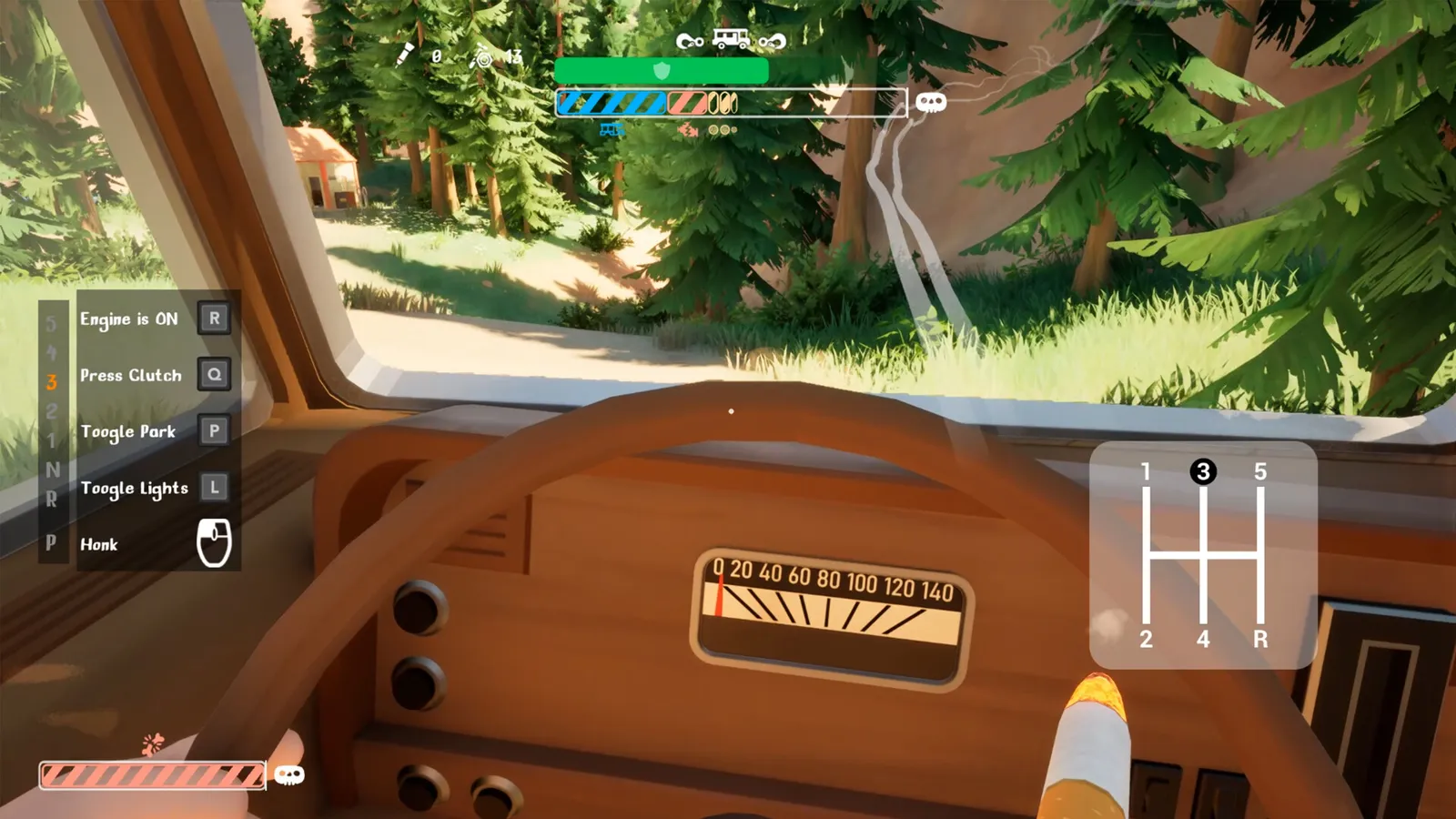
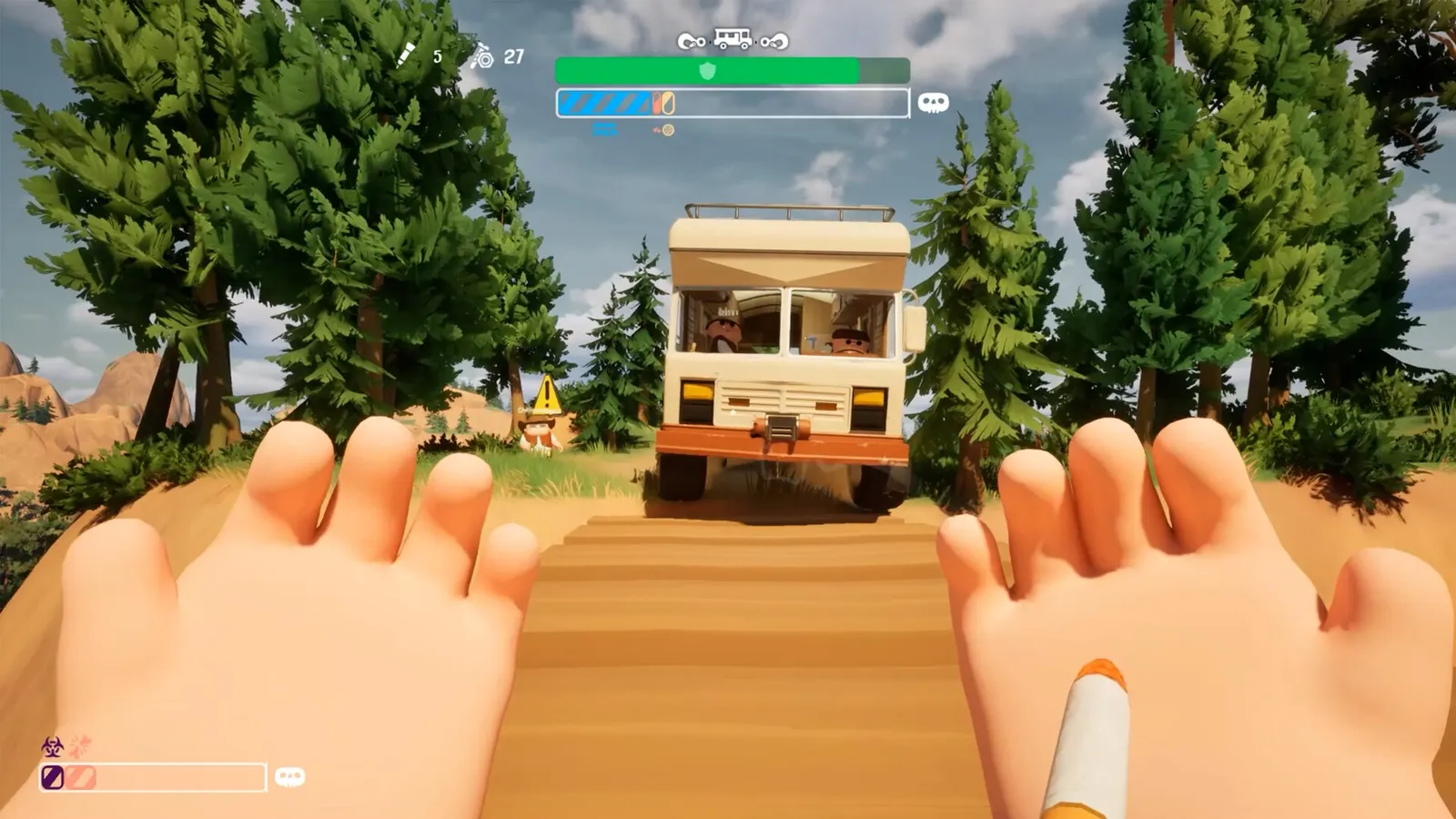
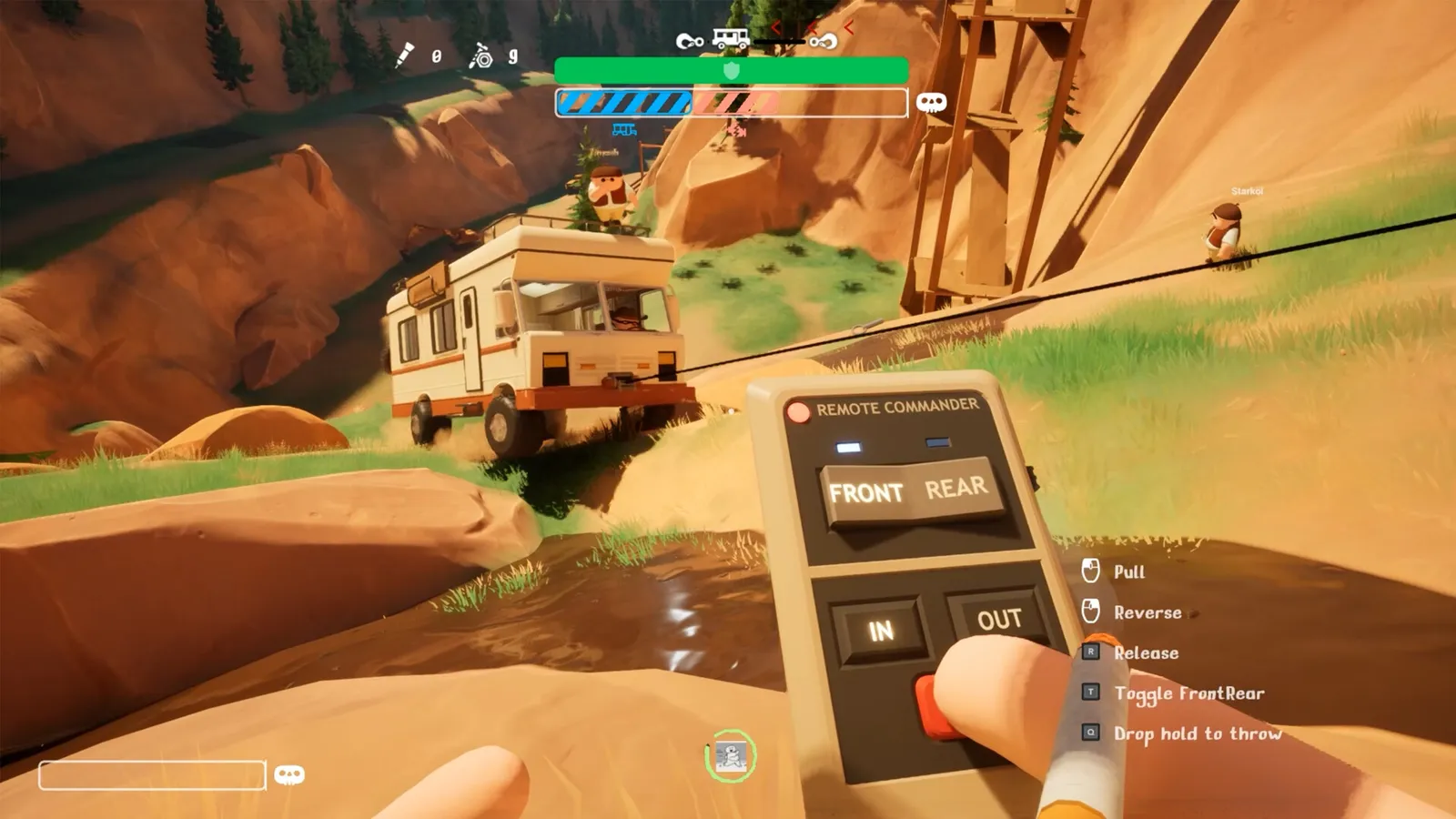
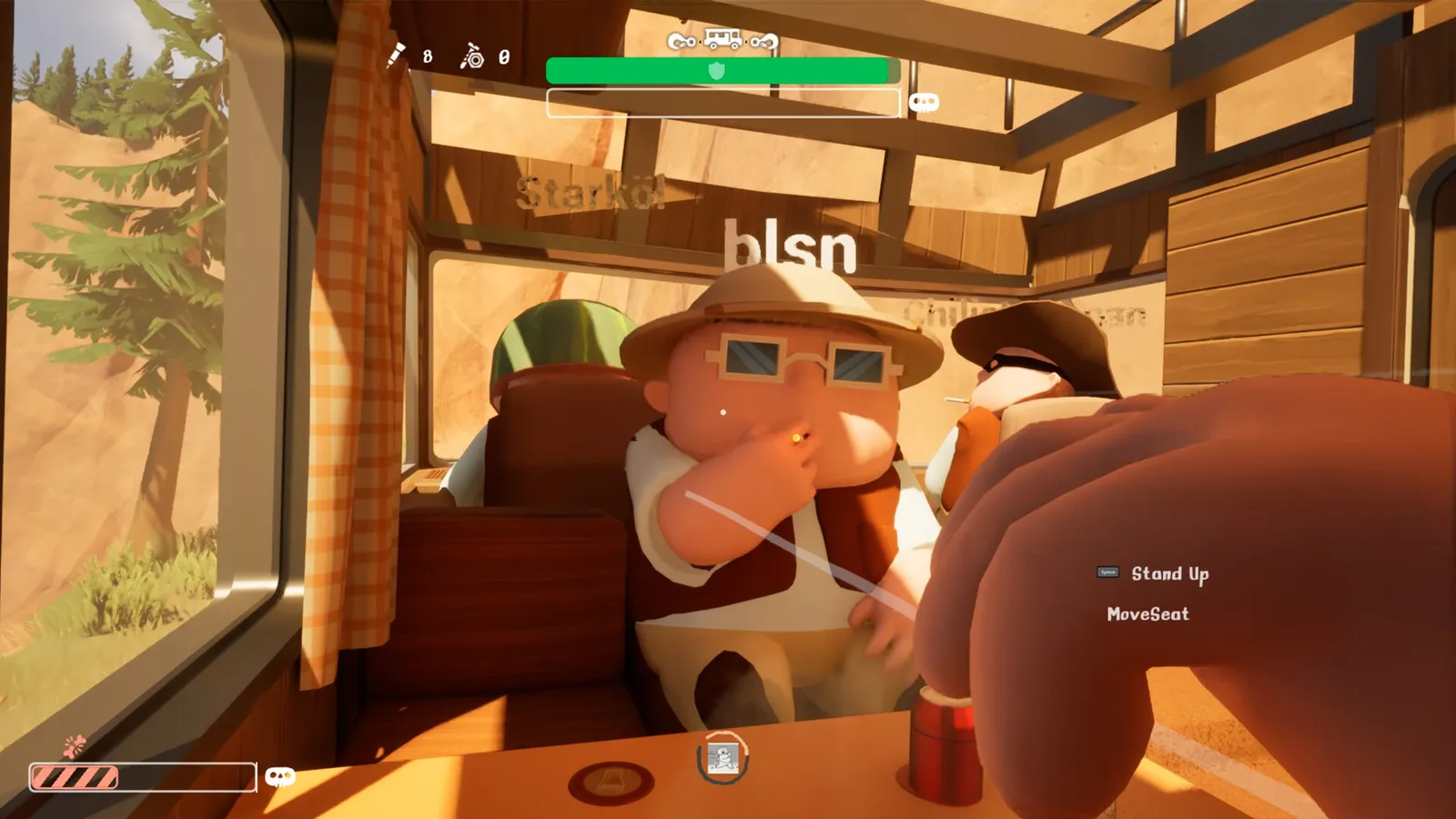
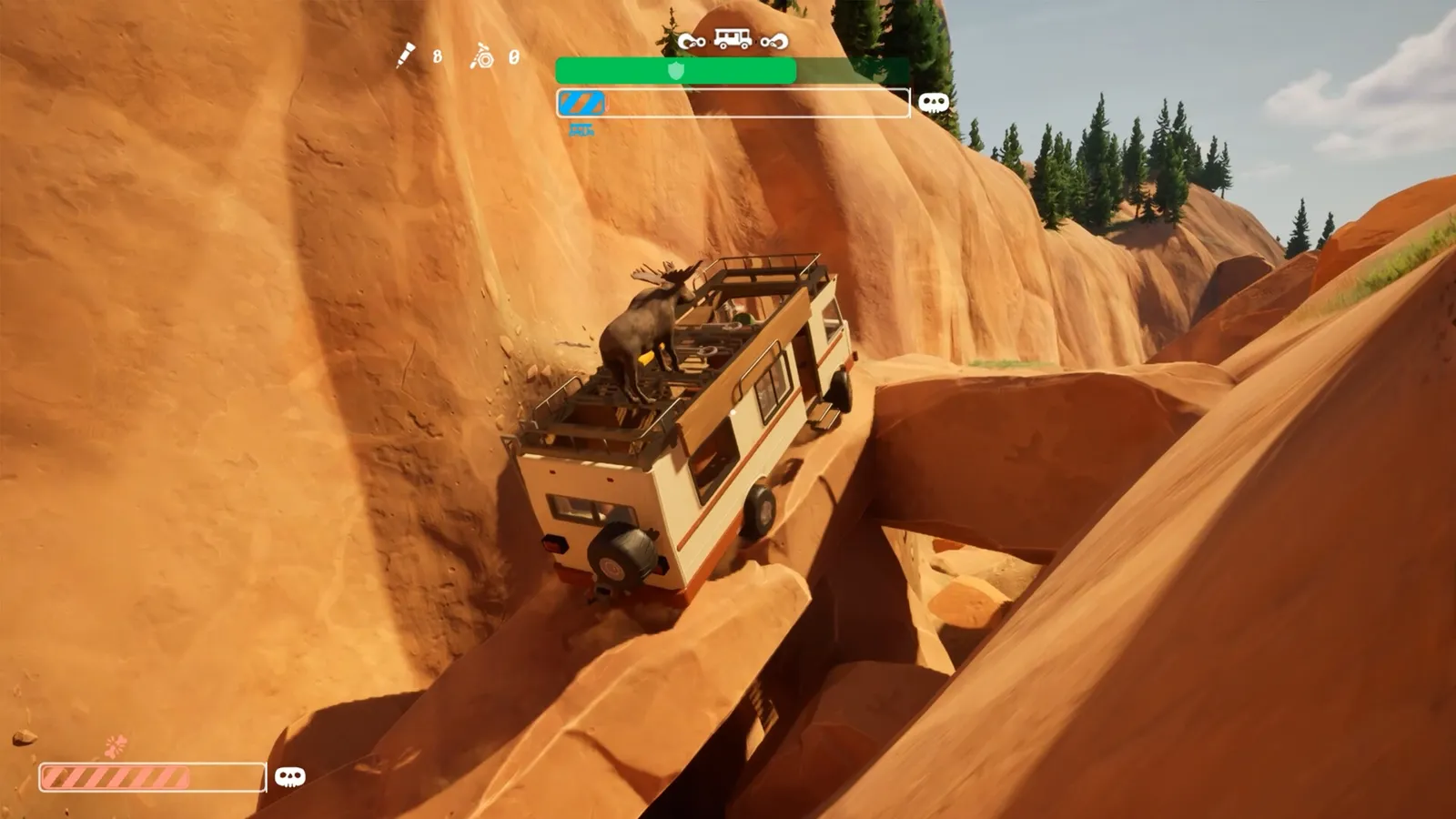
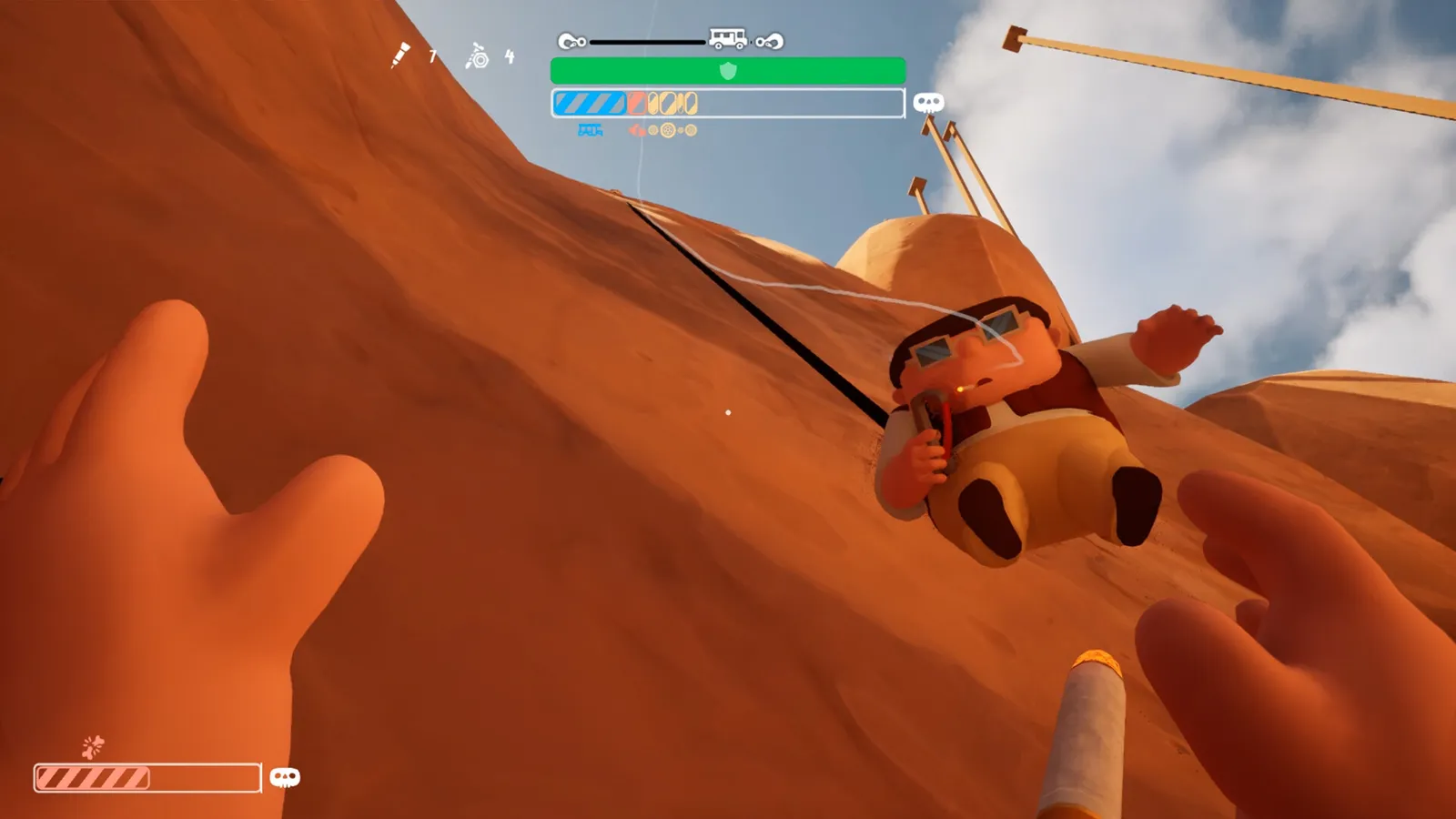
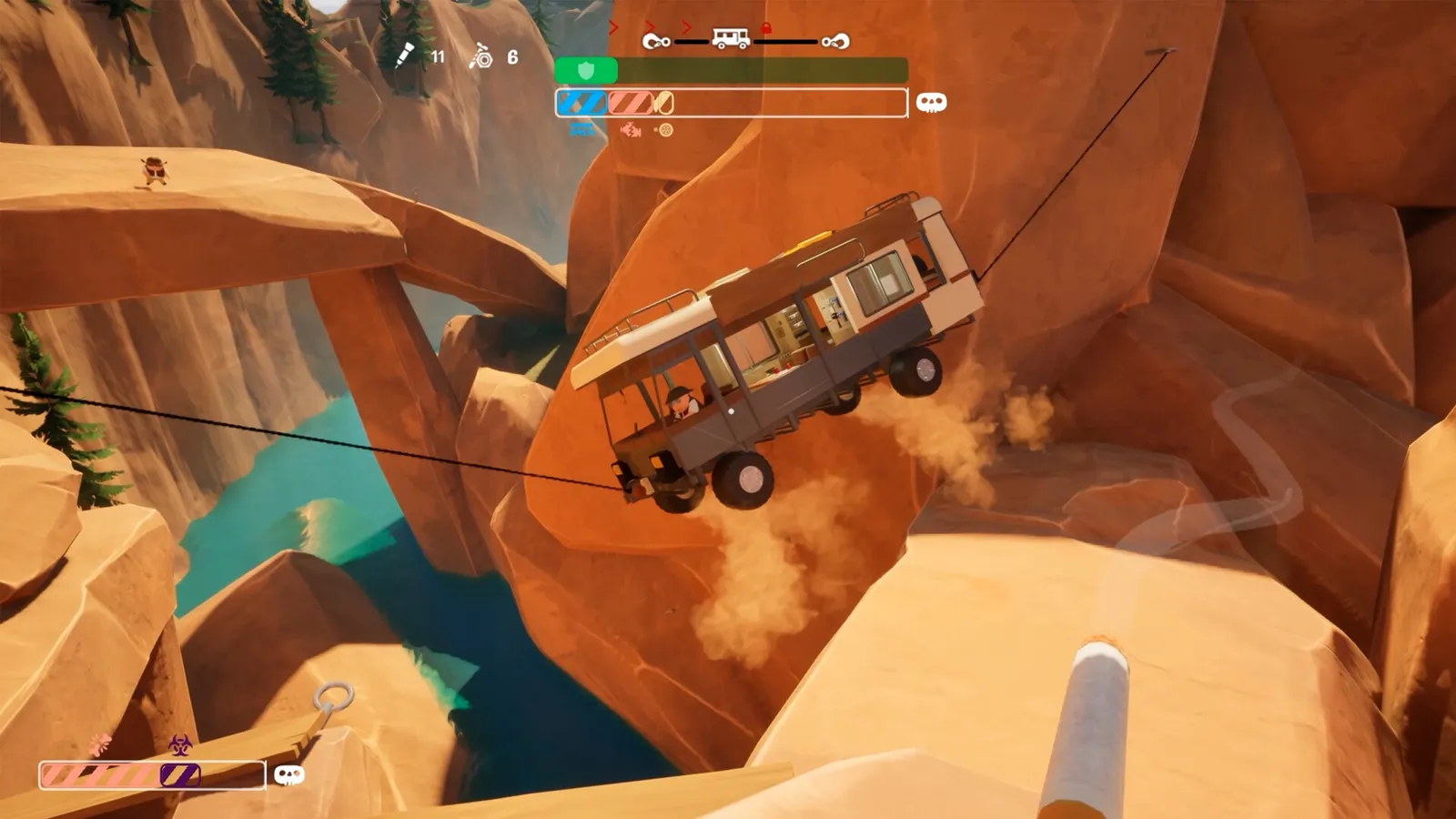
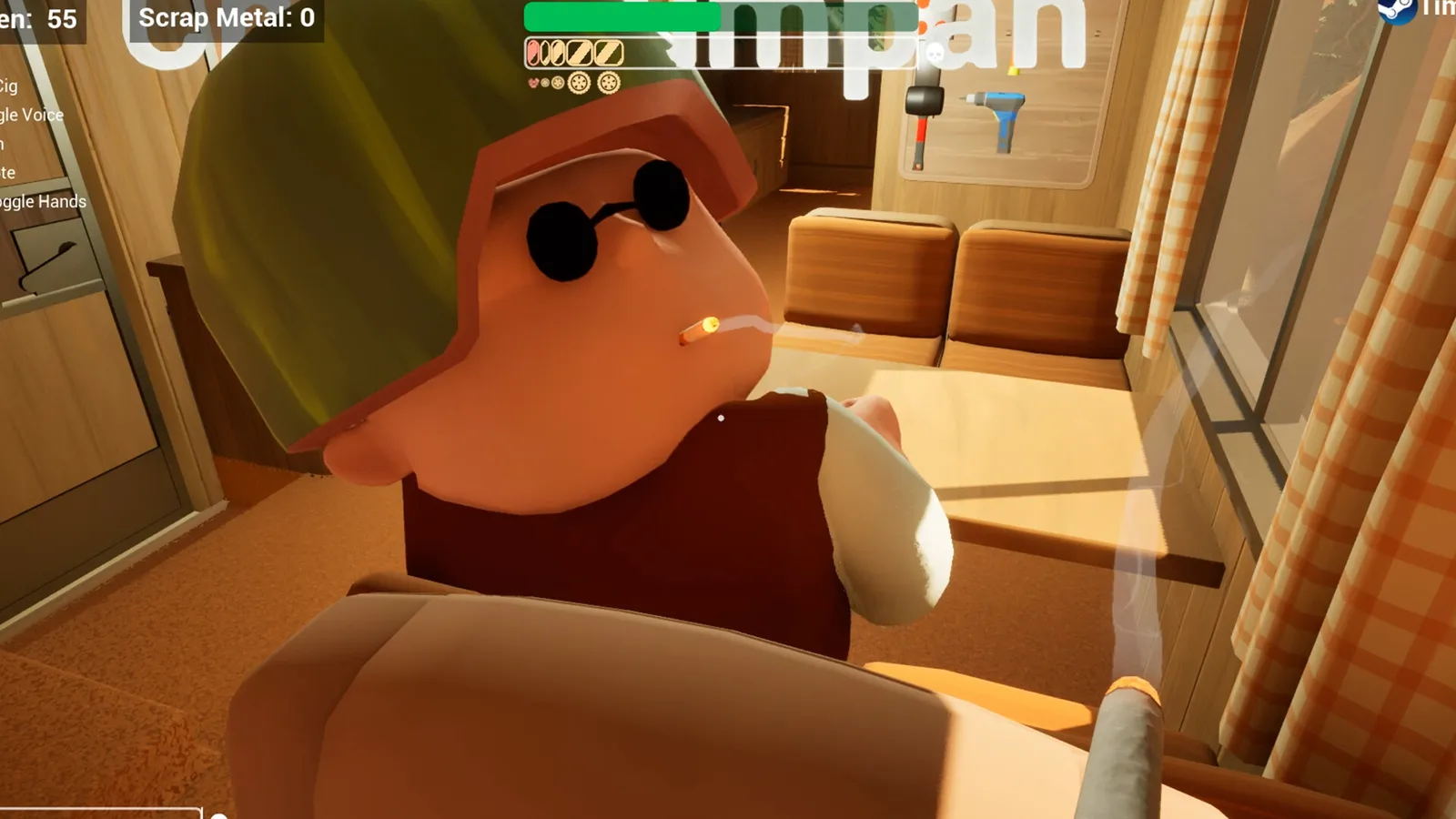
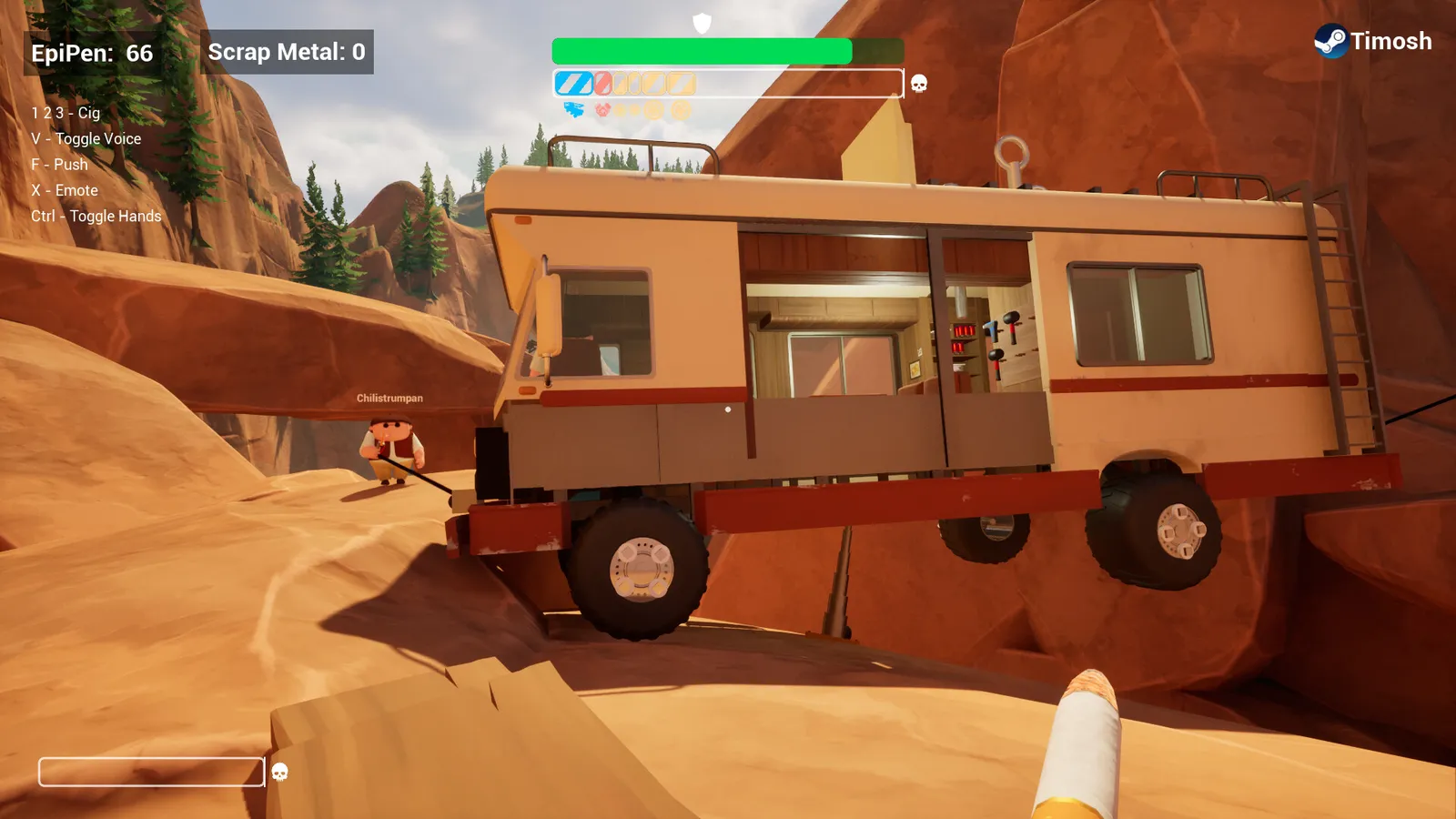
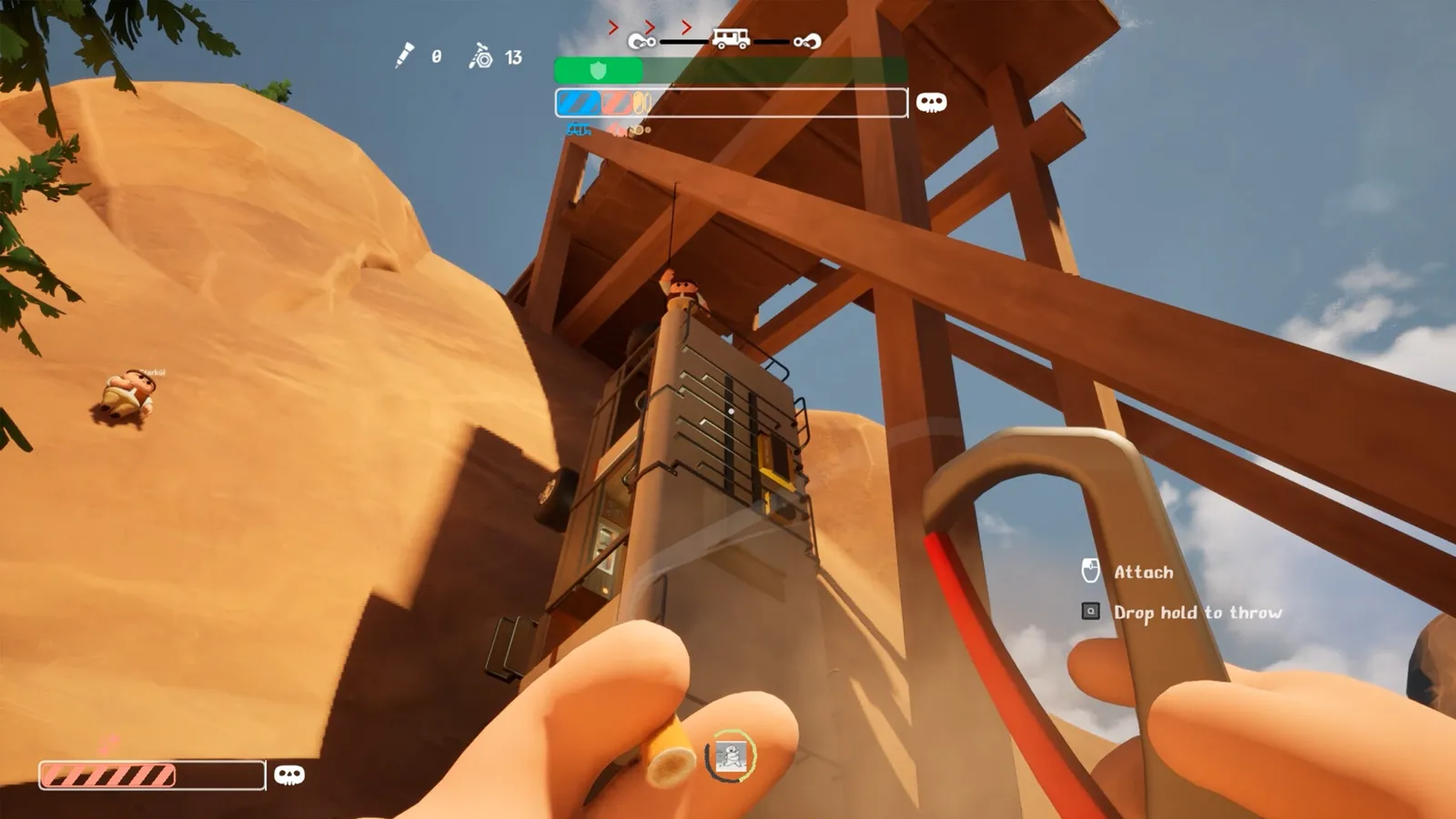
Up to four players operate a single RV across physics-heavy back roads. One drives while others guide through proximity chat, attach front or rear winches, move obstacles, repair damage, and maintain food and medical supplies; every mistake affects the same vehicle and journey.
About this game
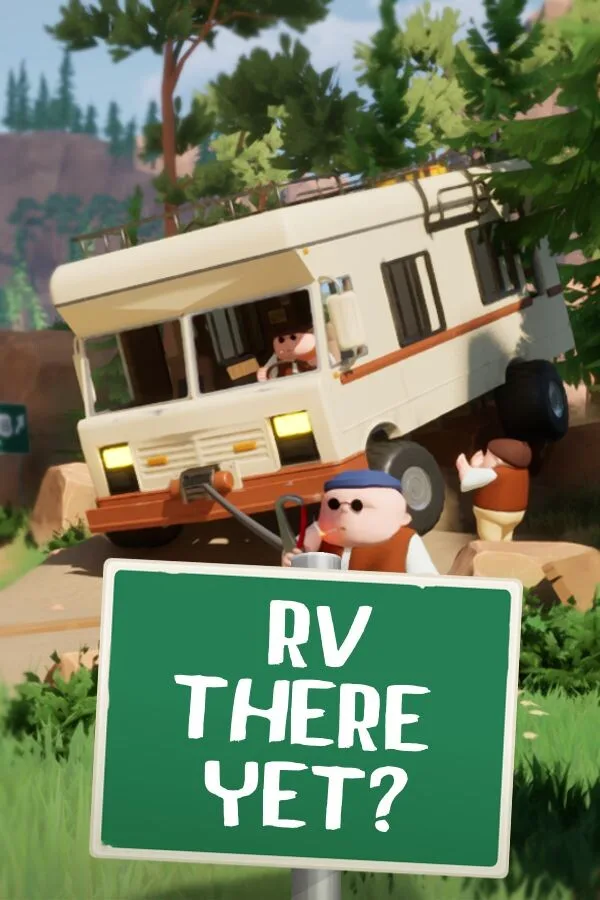
RV There Yet? is a cooperative adventure that turns the simple task of driving an RV into a hilarious test of teamwork. Two players must share the responsibilities of piloting a rundown recreational vehicle, splitting duties like steering, acceleration, navigation, and managing onboard systems as you make your way home.
Read moreShow less
The fun comes from the constant communication required to keep the vehicle moving. One player might handle the wheel while the other manages the engine, reads the map, or deals with mechanical breakdowns. Every bump in the road and fork in the highway becomes a moment of frantic coordination.
RV There Yet? supports online co-op, so you and a friend can tackle the journey from separate setups. The game thrives on the kind of sessions where you are both shouting directions, laughing at near-misses, and celebrating small victories as your ramshackle RV somehow makes it another mile down the road.
Similar games
See more similar gamesAppears in these lists











Frequently Asked Questions
How many players can play RV There Yet? together?
RV There Yet? is designed for two players in online co-op. You'll each take on different responsibilities for driving the RV, like one player steering while the other manages the engine or navigation.
Do we need to be in the same room to play together?
No, RV There Yet? supports online co-op, so you and a friend can play from separate locations. You'll just need good communication (voice chat recommended) to coordinate all the driving responsibilities.
What kind of tasks do players share while driving the RV?
Players split the driving responsibilities between them-one might handle steering while the other manages acceleration, reads the map, or deals with mechanical problems. You'll need to constantly communicate to handle everything from navigation decisions to unexpected breakdowns.