


- Steam pricePrice
- $29.99
- Release
- September 3, 2013
- Session GoalsGoals
- Platforms


How co-op works
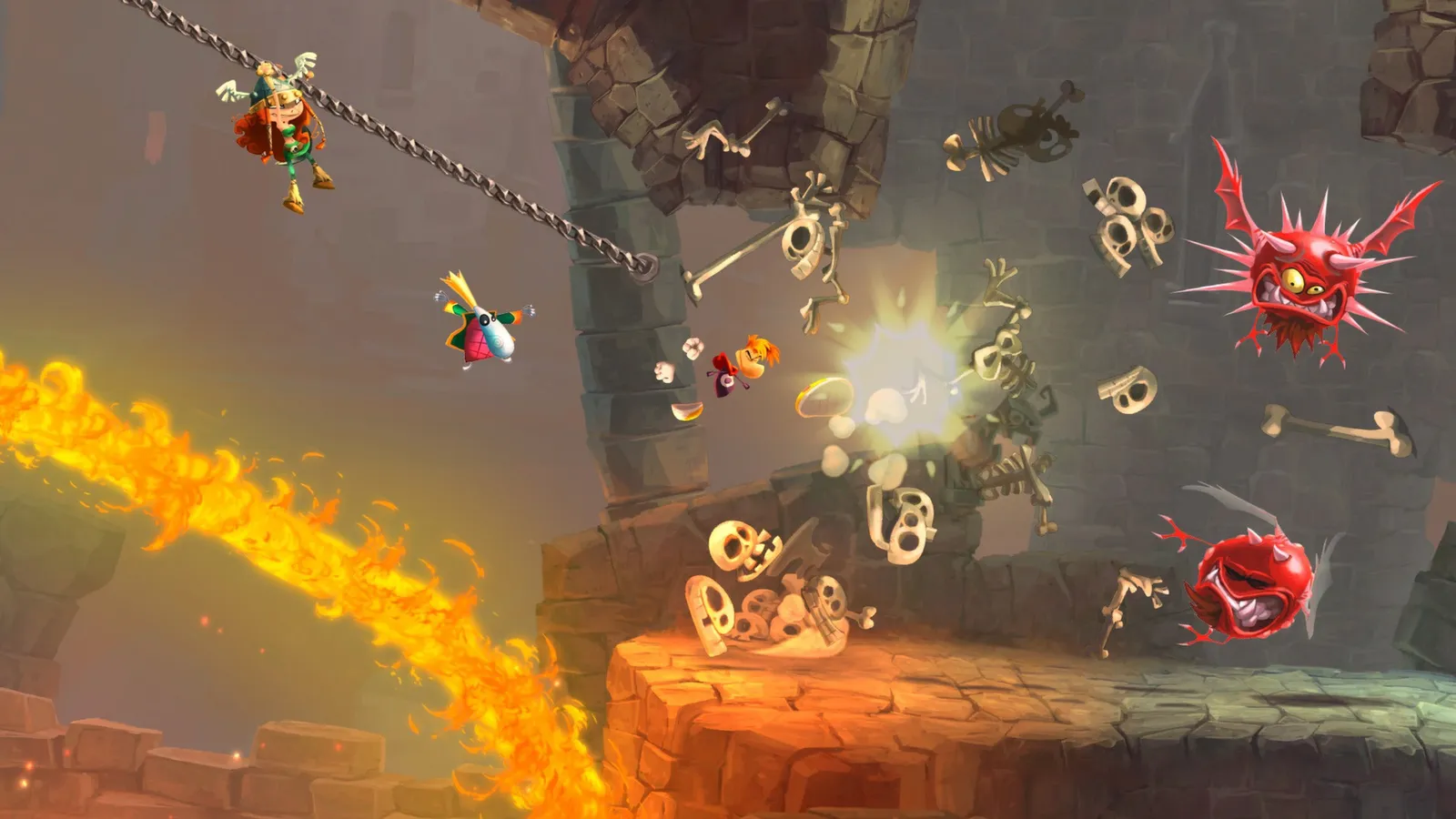
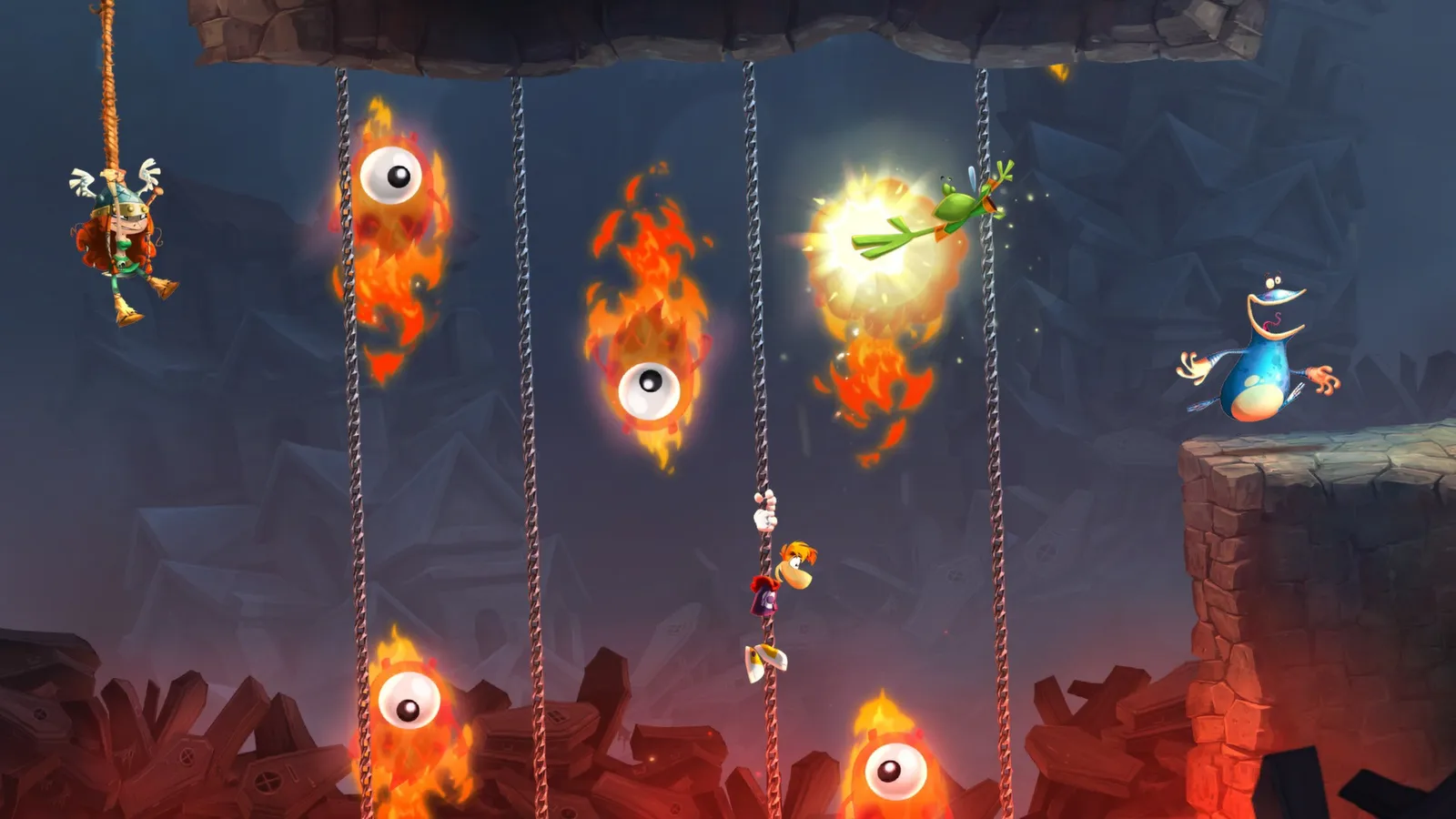
Up to four local players run, jump, glide, and fight through the same campaign stages with seamless drop-in and drop-out. The group rescues Teensies, gathers Lums, and times movement through rhythm levels; Steam can relay the local session through Remote Play Together.
About this game
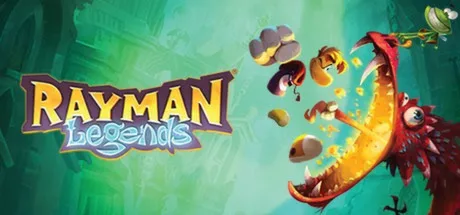
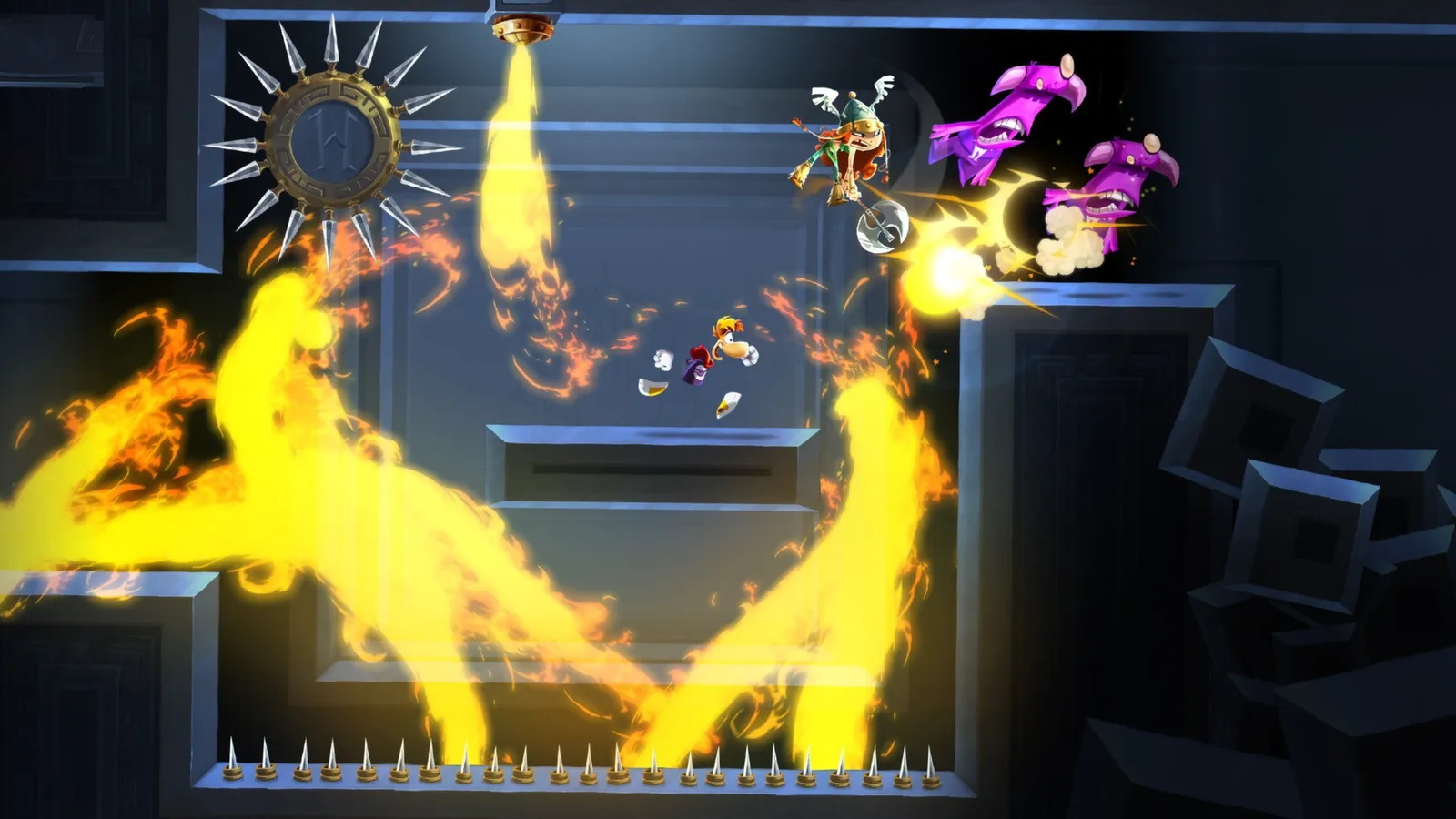
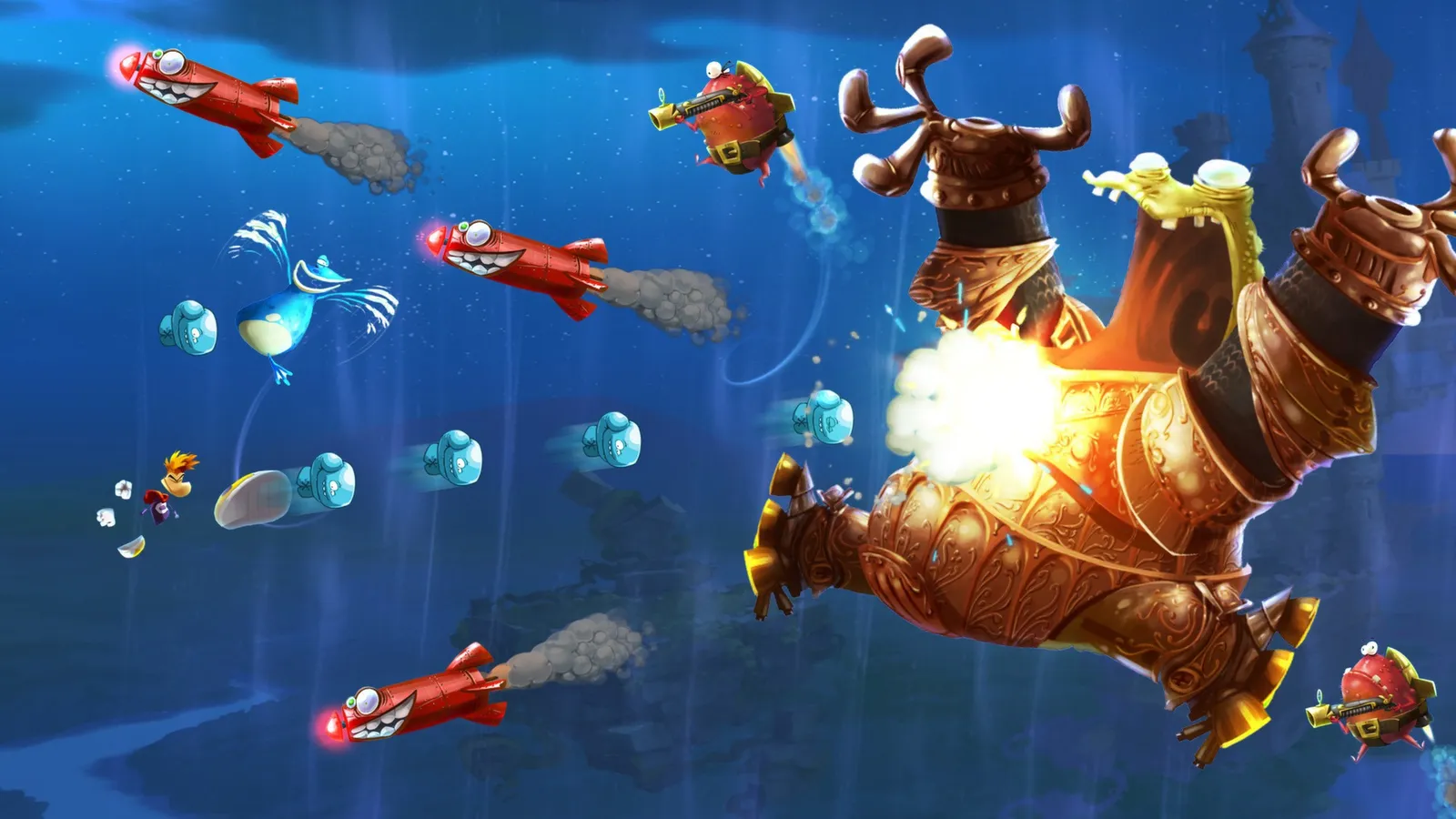
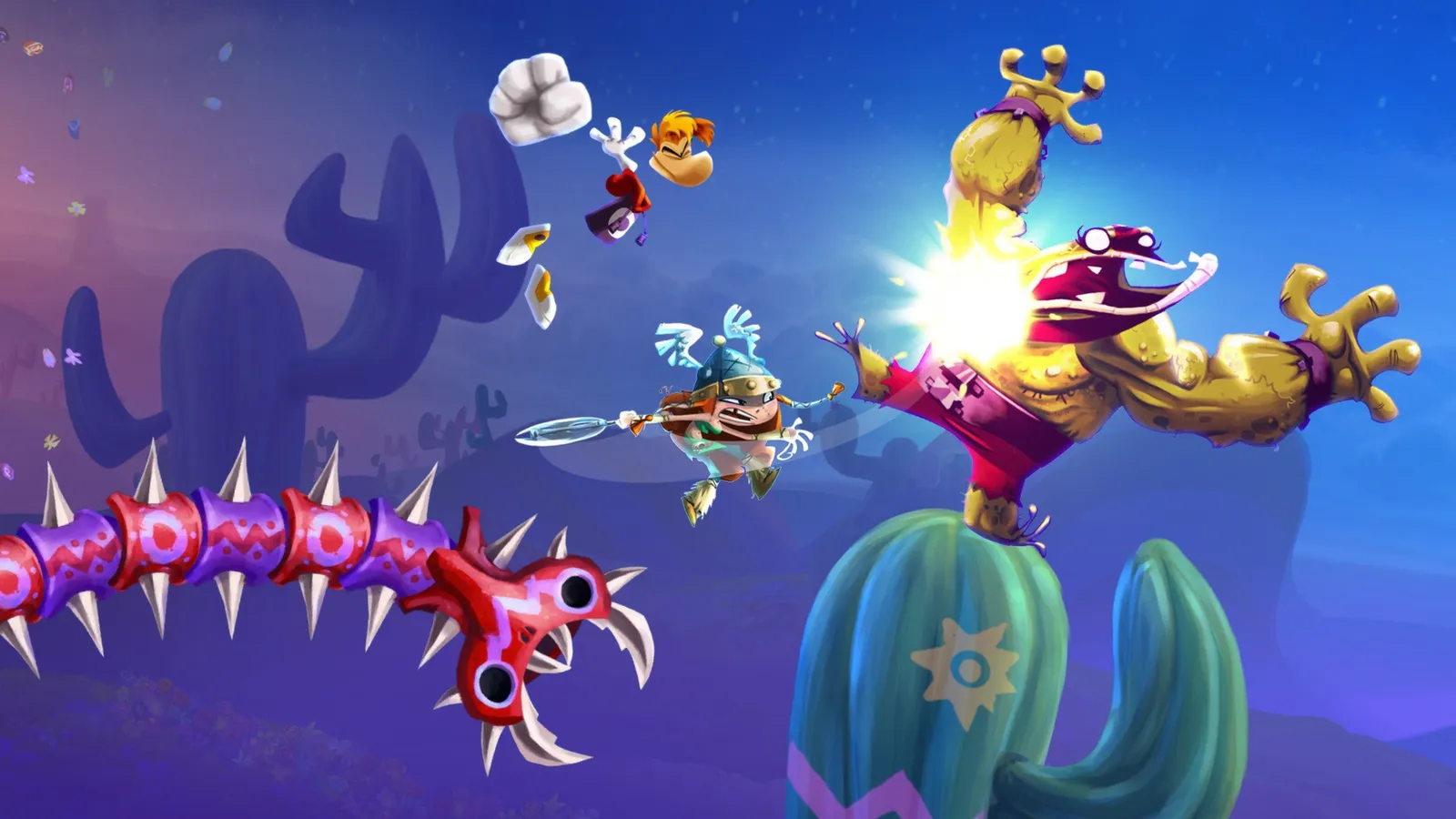
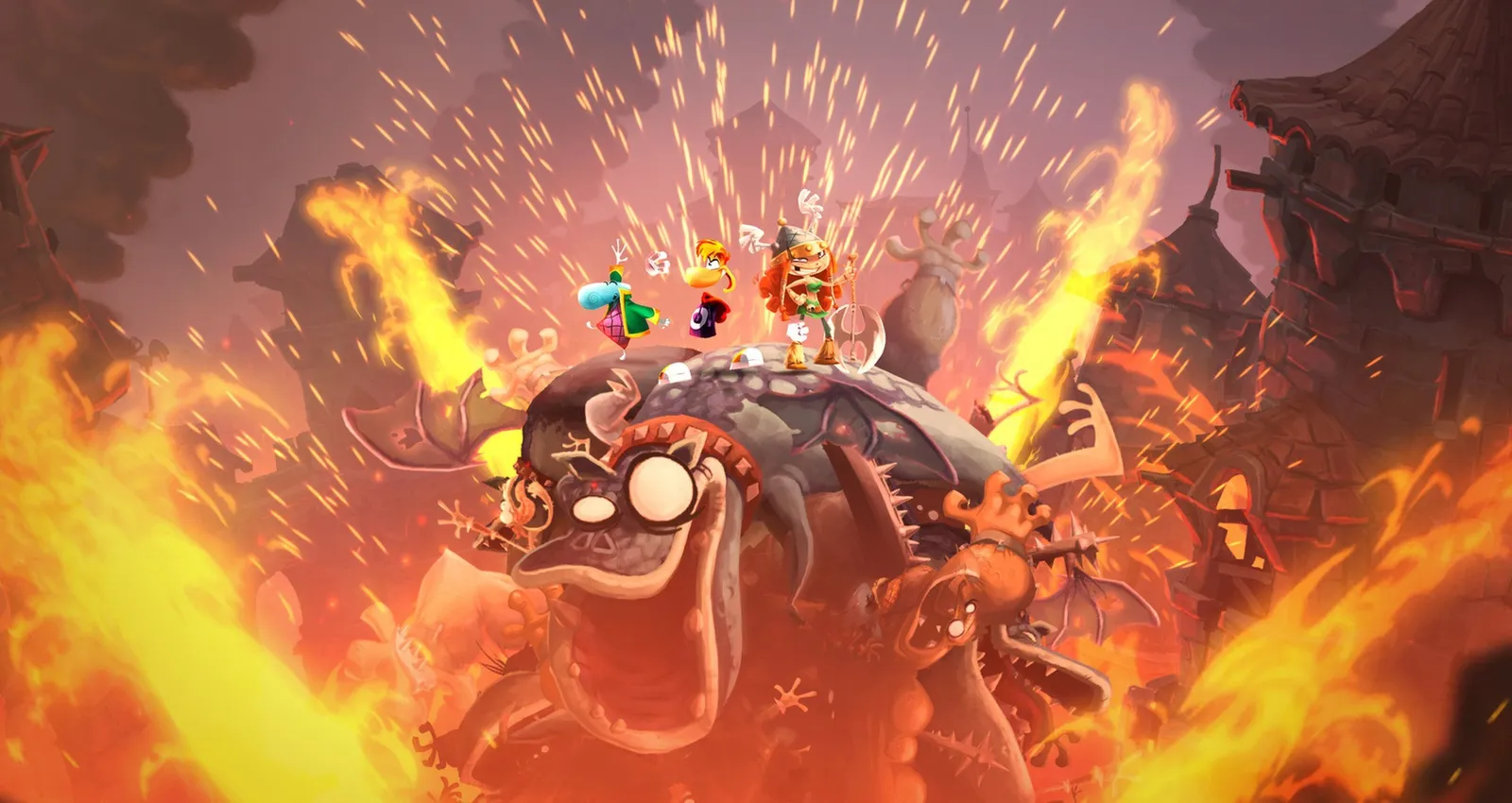
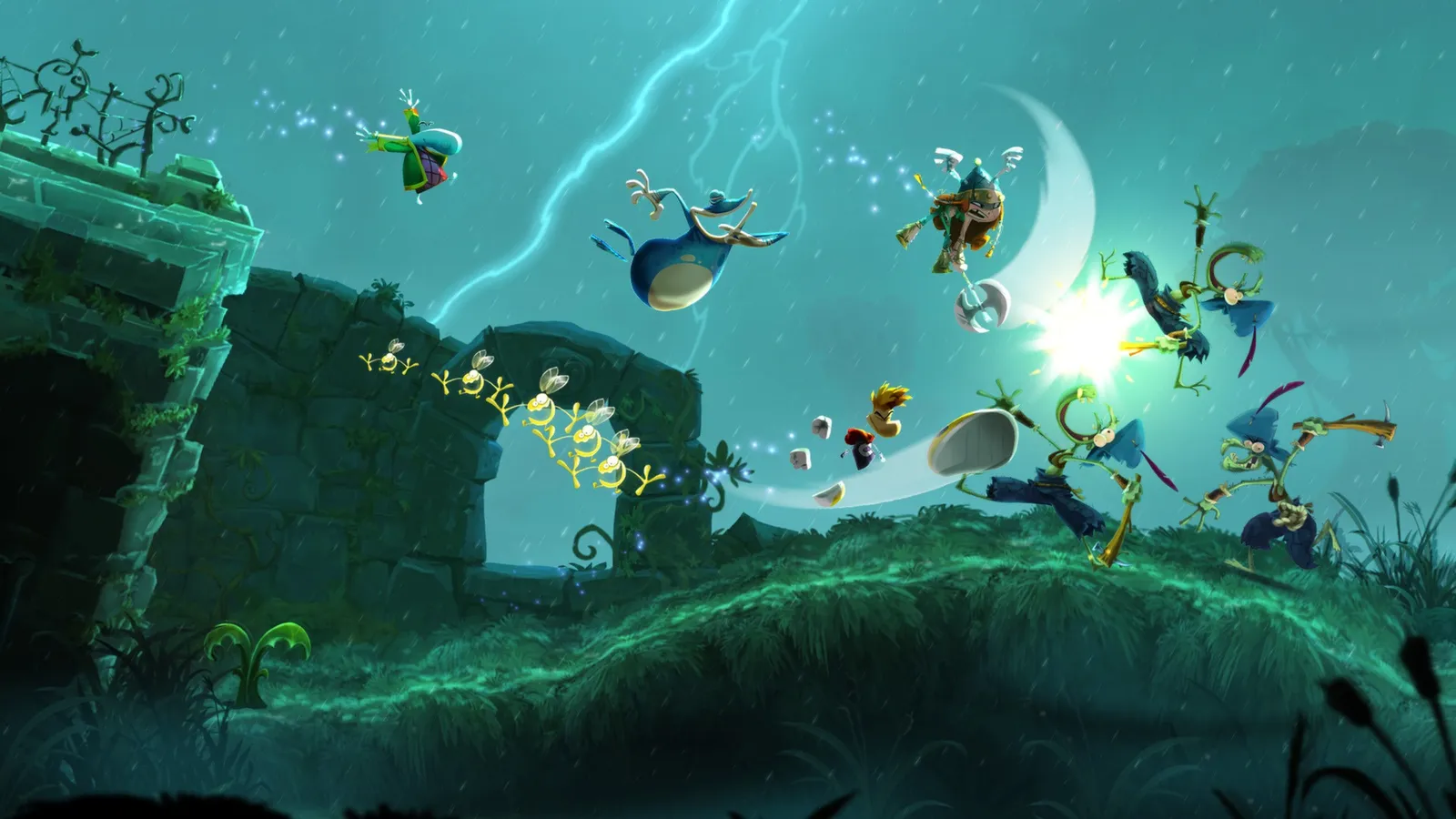
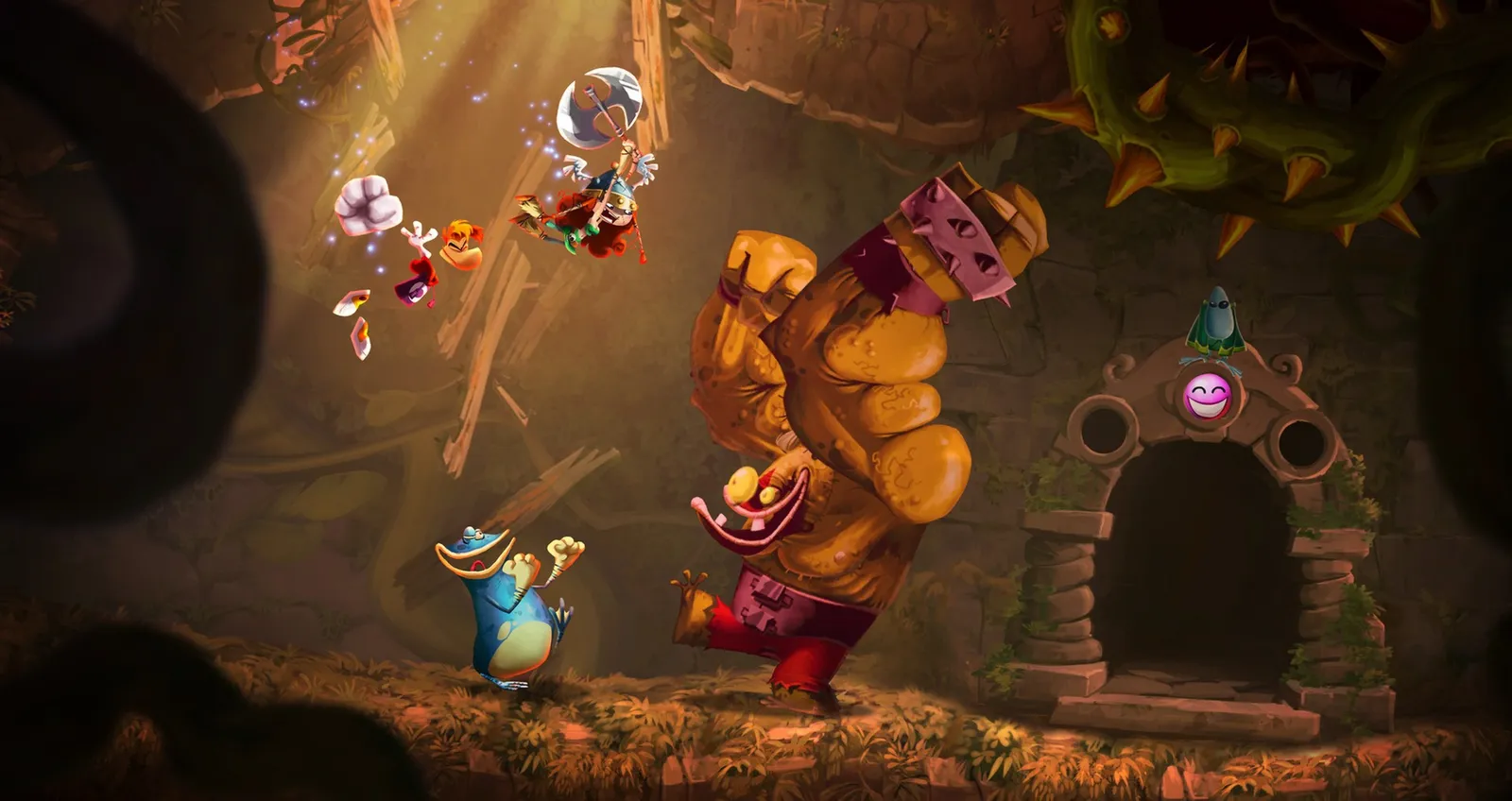
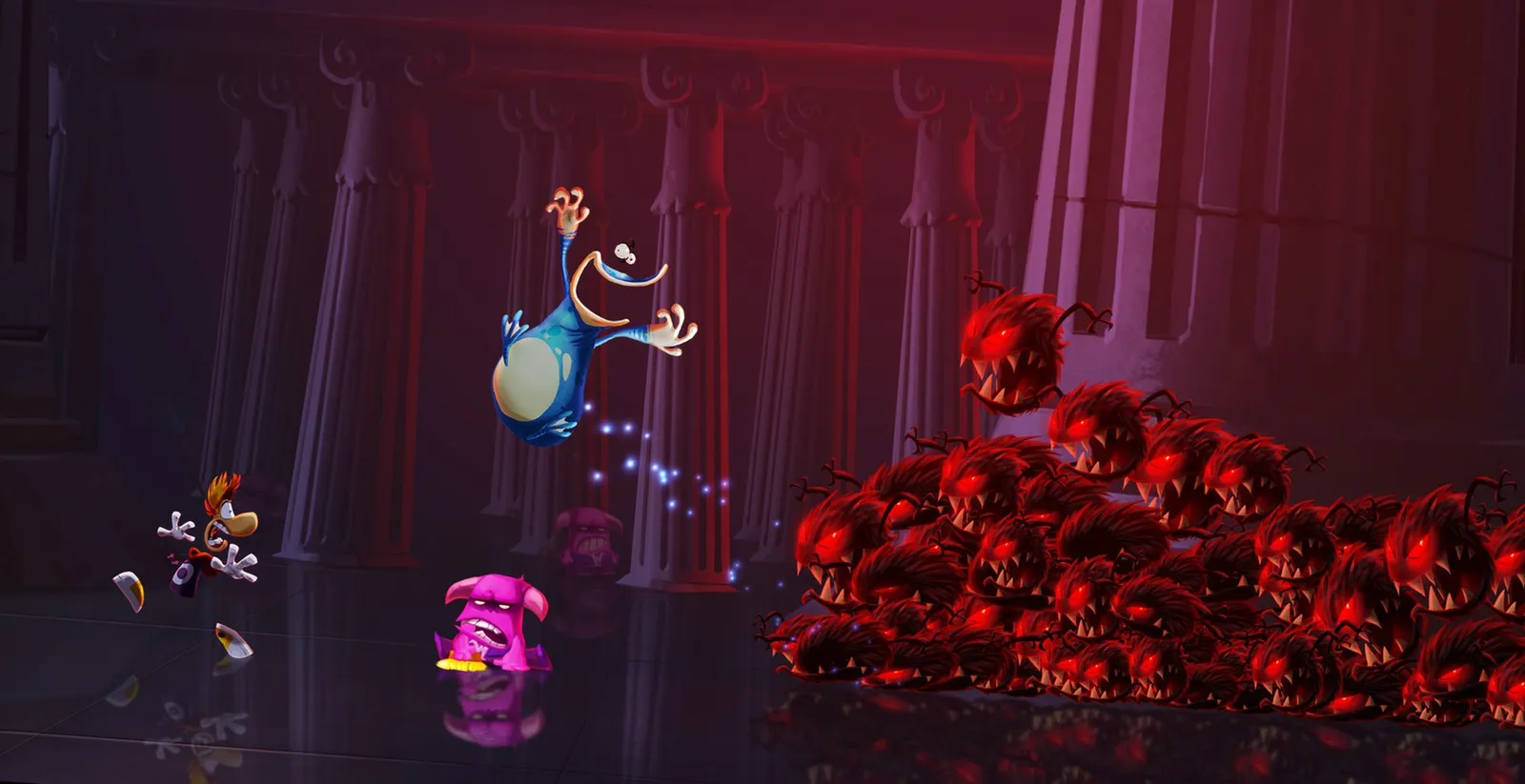
Rayman Legends is a vibrant 2D platformer built for up to four players working together on the same screen. When Rayman, Globox, and the Teensies stumble into a tent full of enchanted paintings, they find themselves jumping between lush worlds filled with enemies, tricky jumps, and musical levels that sync gameplay to the beat.
Read moreShow less
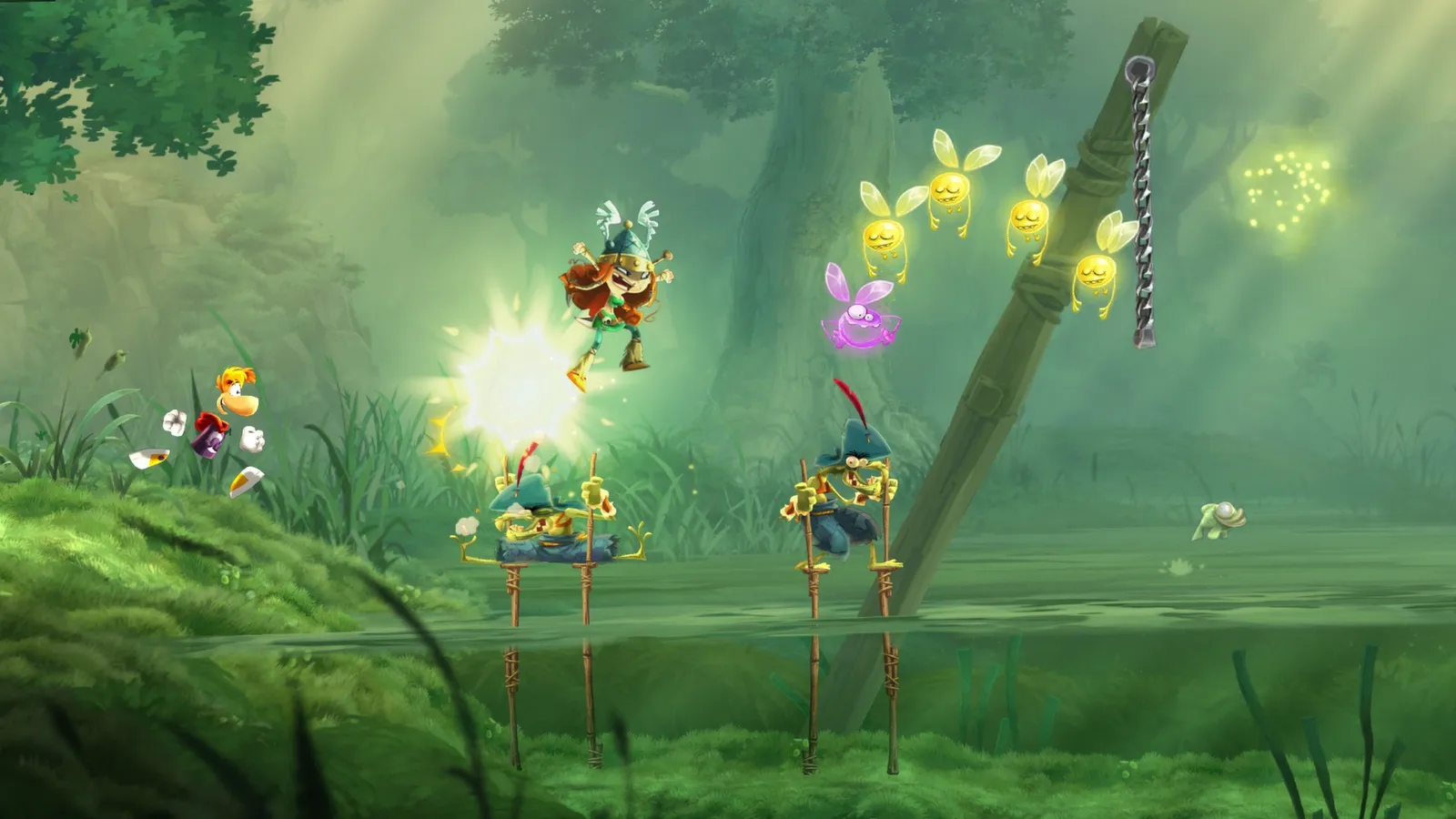
Players punch, glide, and wall-run through hand-drawn environments while reviving captured Teensies and collecting Lums. The standout musical stages transform familiar songs into perfectly timed obstacle courses, and a fifth player can join as Murfy on certain levels, using touch or mouse controls to shift platforms and clear hazards for the team. Coordination keeps everyone moving, but the energy stays lighthearted even when the screen gets crowded.
Rayman Legends supports local couch co-op and works with Steam Remote Play Together for online sessions. Every level rewards speed and exploration, making it easy to replay stages for better times or hunt down secrets as a group.
Similar games
See more similar gamesAppears in these lists











Cooperative games built for groups, where multiple players team up on the couch or online to brawl, platform, or puzzle their way through chaotic, high-energy sessions.









Platformers built for two or more players, where jumping, climbing, and split-second timing become shared challenges that test coordination as much as skill.
Frequently Asked Questions
How many people can play Rayman Legends together?
Up to four players can play together on the same screen in local co-op. A fifth player can also join as Murfy on certain levels using touch or mouse controls to help the team by moving platforms and clearing obstacles.
Can we play Rayman Legends online together?
The game supports local couch co-op natively. You can play online with friends using Steam Remote Play Together, which streams the local session to remote players.
What are the musical levels like?
Musical levels are rhythm-driven stages where the platforming syncs perfectly to the beat of a song. They turn familiar tracks into timed obstacle courses that require coordination and quick reflexes, and they're some of the most memorable parts of the game.
Do players need to communicate a lot to succeed?
While the game stays lighthearted and doesn't demand constant callouts, coordination helps keep everyone moving smoothly-especially when the screen gets crowded or during faster musical stages where timing matters.