

- Steam pricePrice
- $14.99
- Players
- 2 - 4
- Release
- November 5, 2025
- Session GoalsGoals
- Platforms


How co-op works
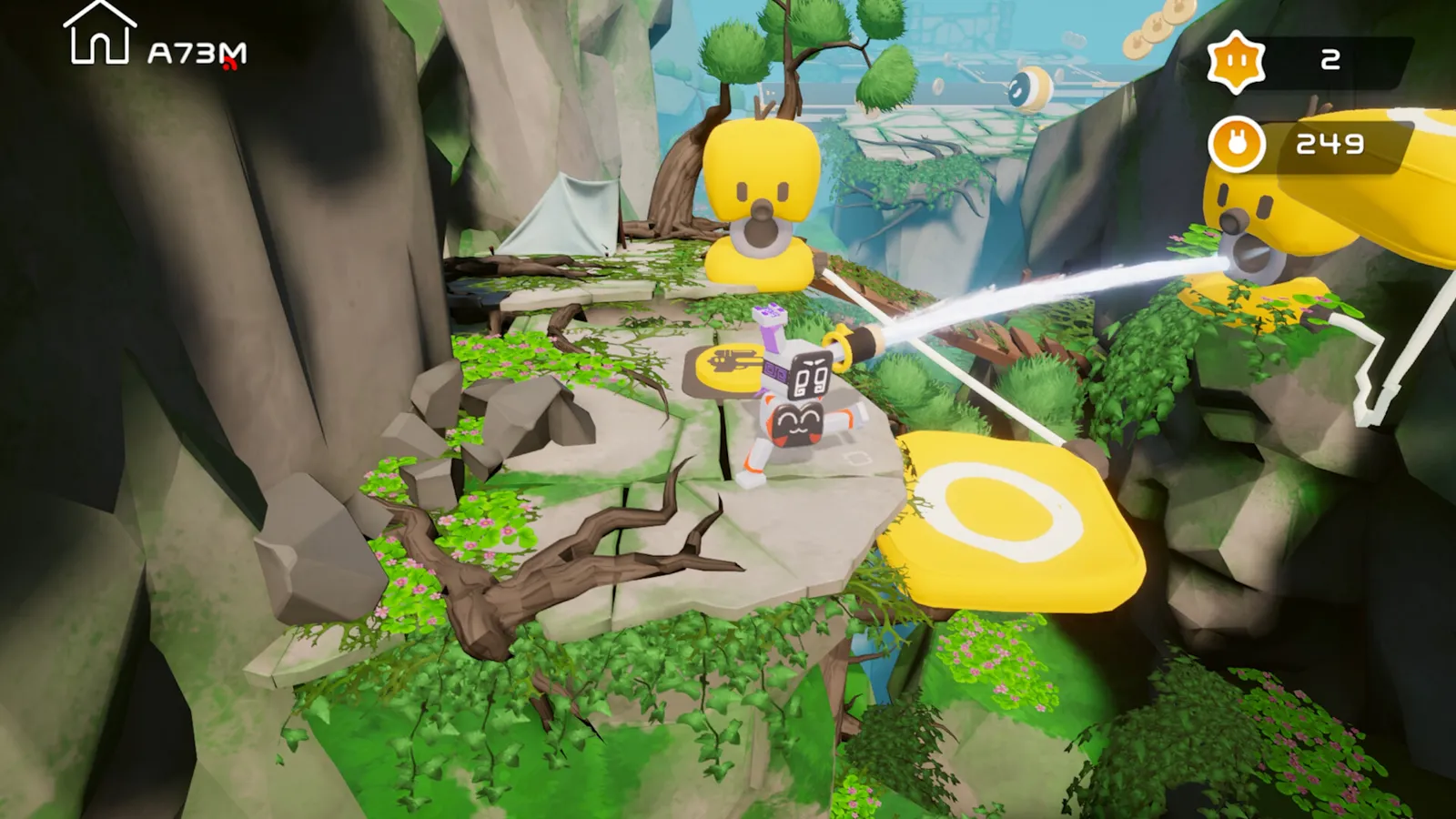
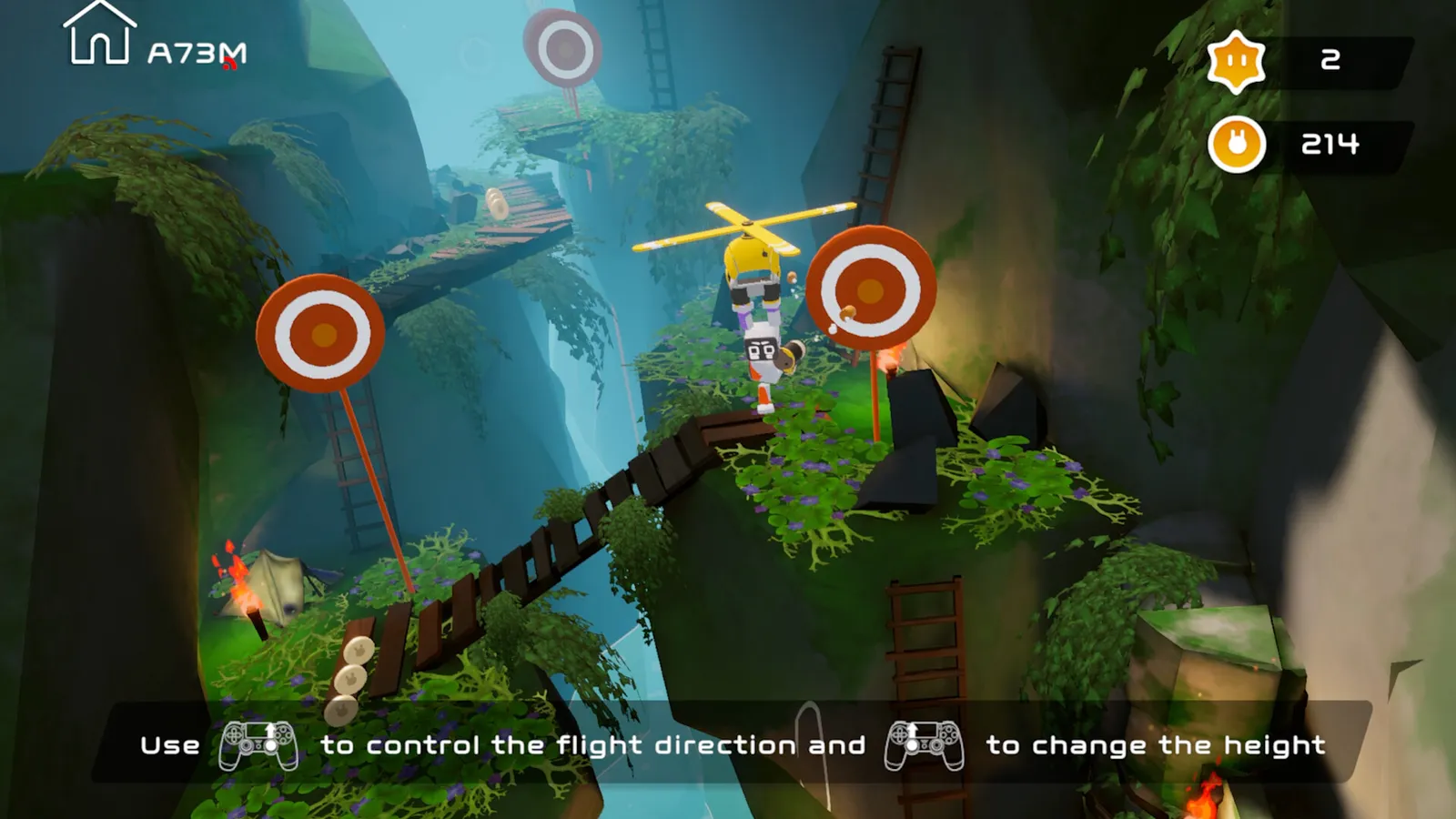
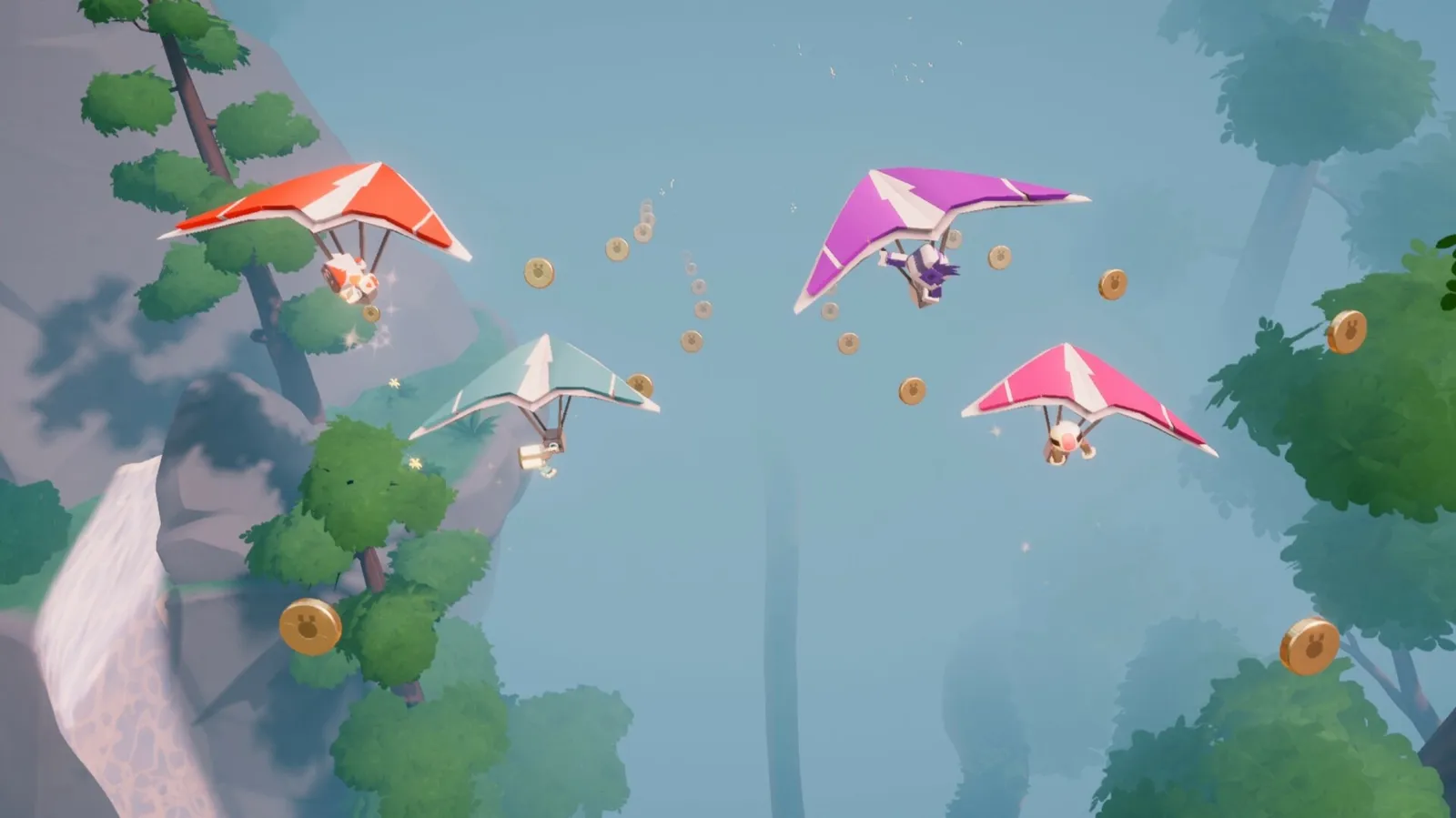
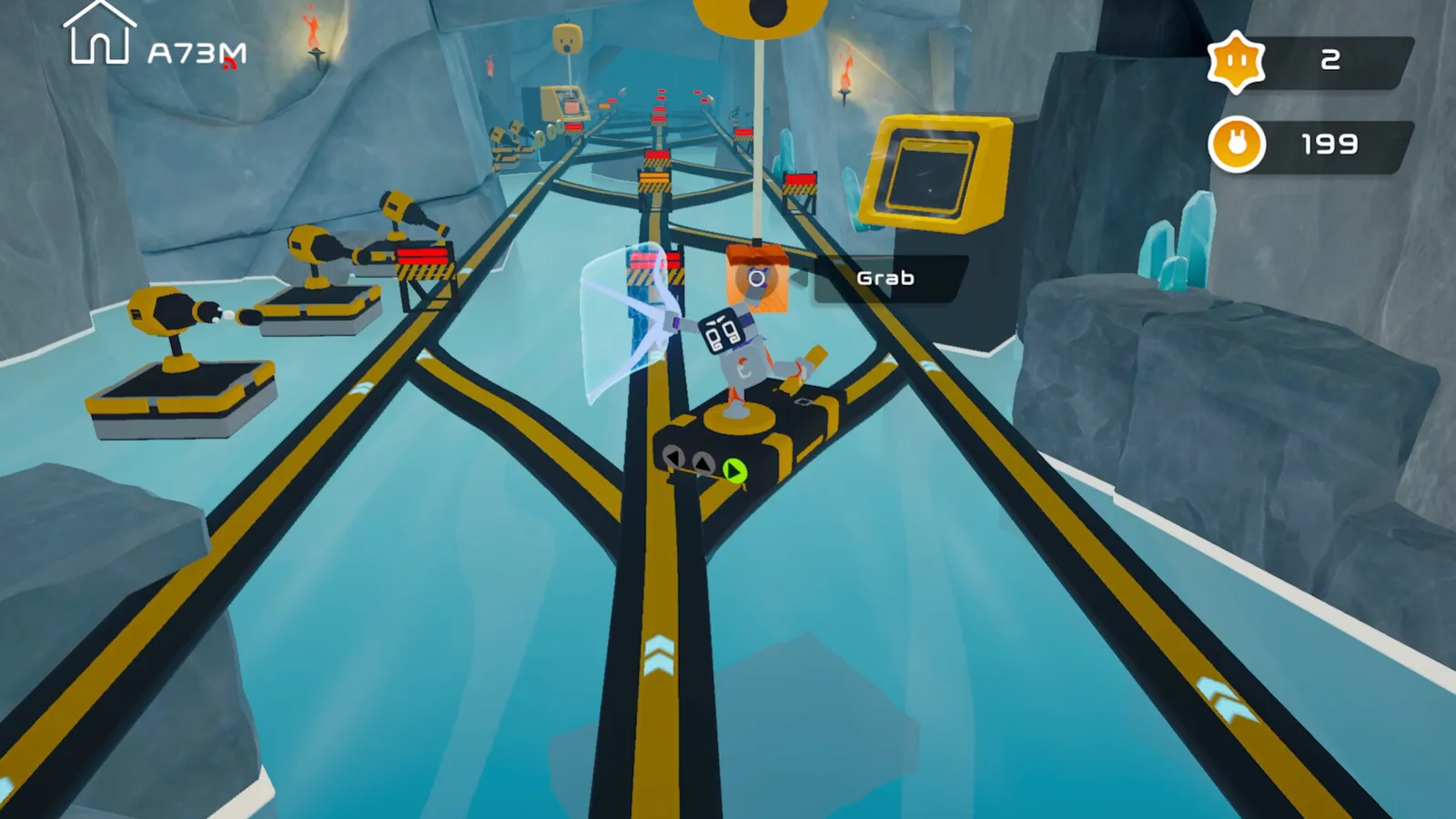
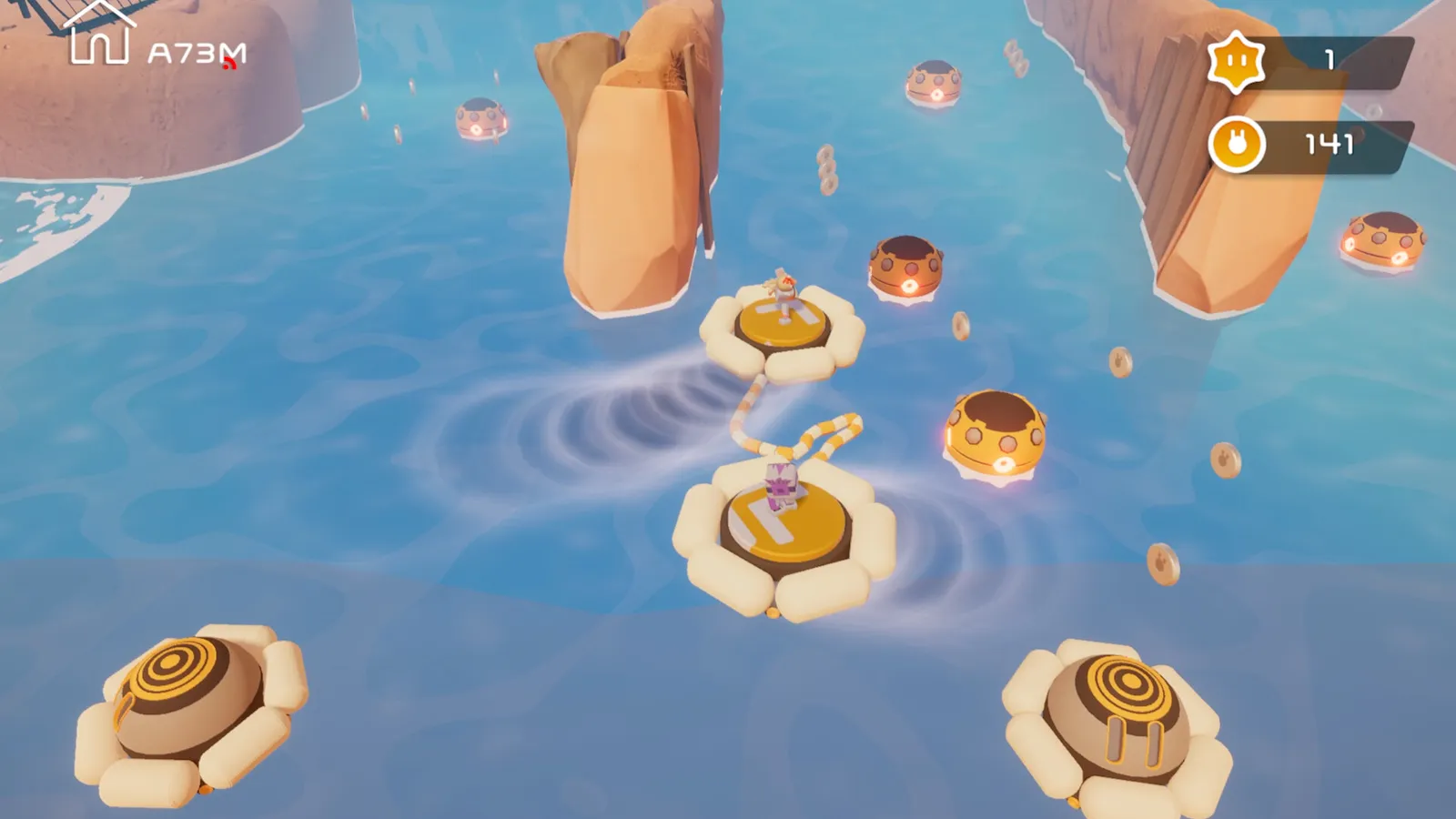
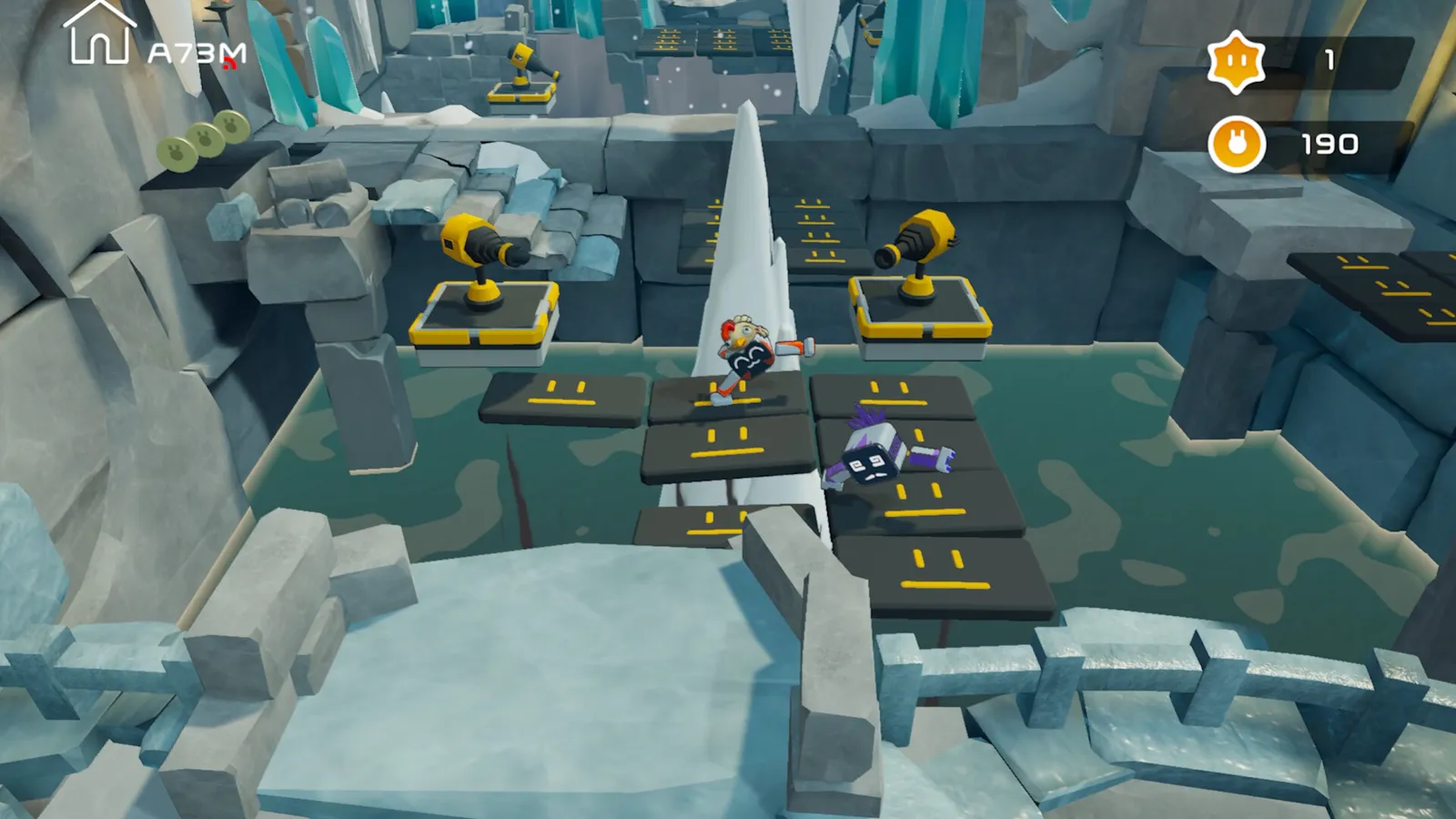
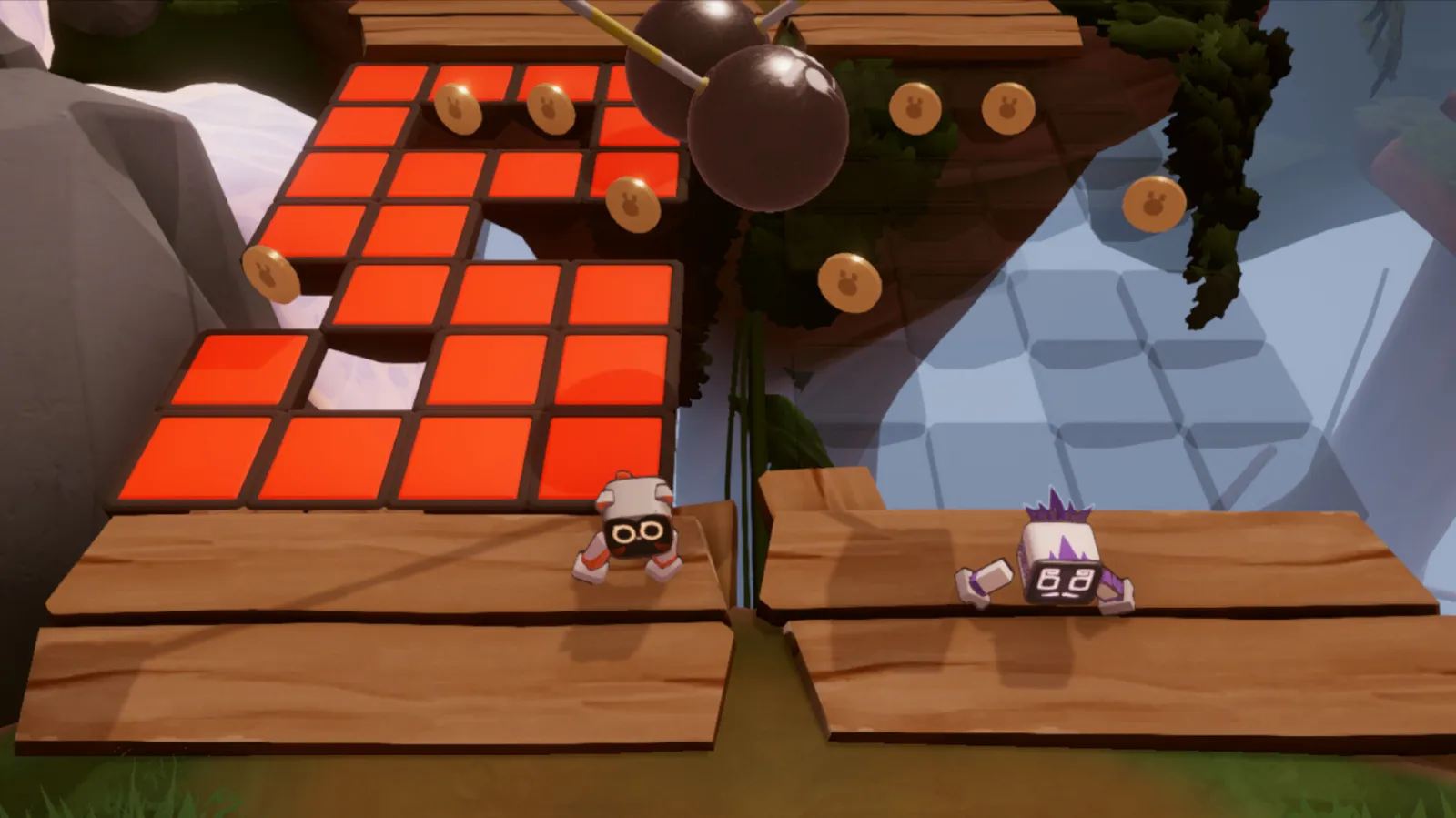
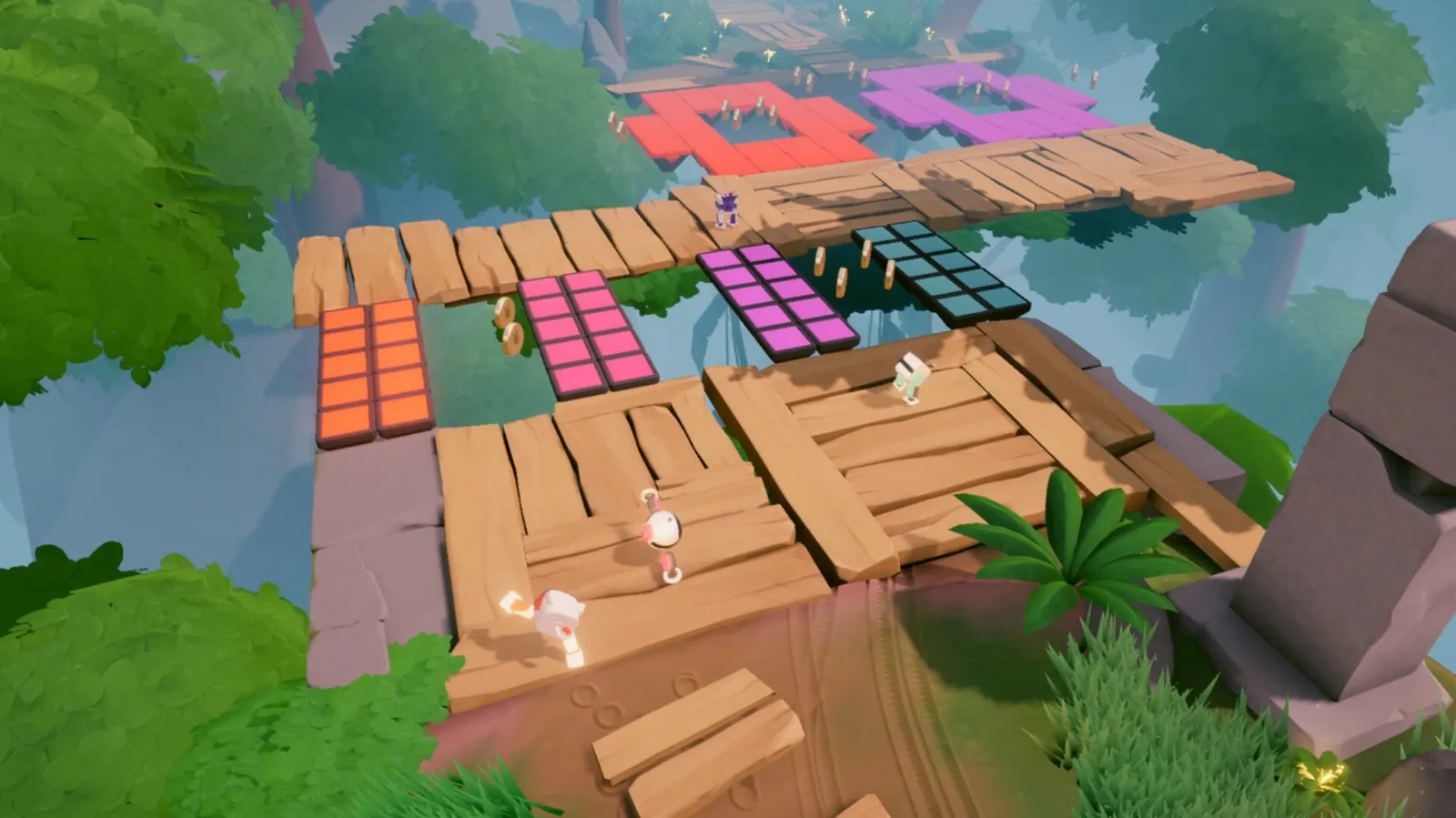
Two to four players control bipedal robots using independent leg physics to solve cooperative puzzles requiring synchronized movement, precise timing, and continuous communication to manipulate objects and traverse obstacles together.
About this game
Biped 2 is a cooperative action-adventure built around robots whose legs are controlled independently. Walking, balancing, and manipulating mechanisms become puzzles when partners need to coordinate their movements.
Read moreShow less
The game includes solo play and dedicated cooperative options for two or four players. Groups work through environmental obstacles and shared tasks, learning how their robots interact with objects and terrain. Local and online cooperative play provide ways to tackle those challenges together.
Similar games
See more similar gamesAppears in these lists











Platformers built for two or more players, where jumping, climbing, and split-second timing become shared challenges that test coordination as much as skill.










Compare ideas, experiment with the environment, and solve problems together in co-op puzzle games about logic, perspective, timing, and discovery.
Frequently Asked Questions
How does cooperation work in Biped 2?
Players control robots with independent leg movement and coordinate their actions around shared mechanisms and obstacles. Cooperative options support two or four players, with local and online play.
Is the leg control system difficult to learn?
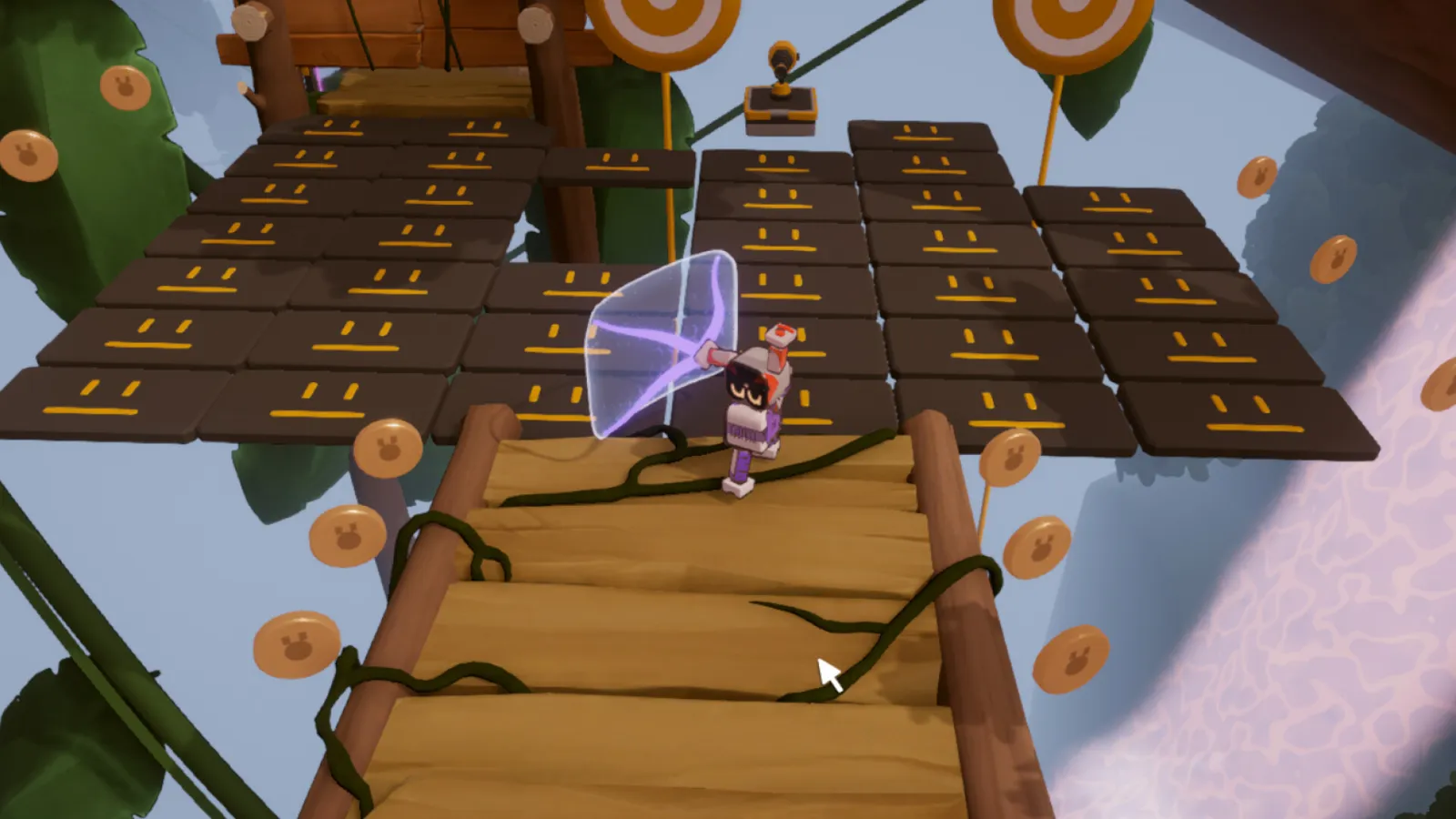
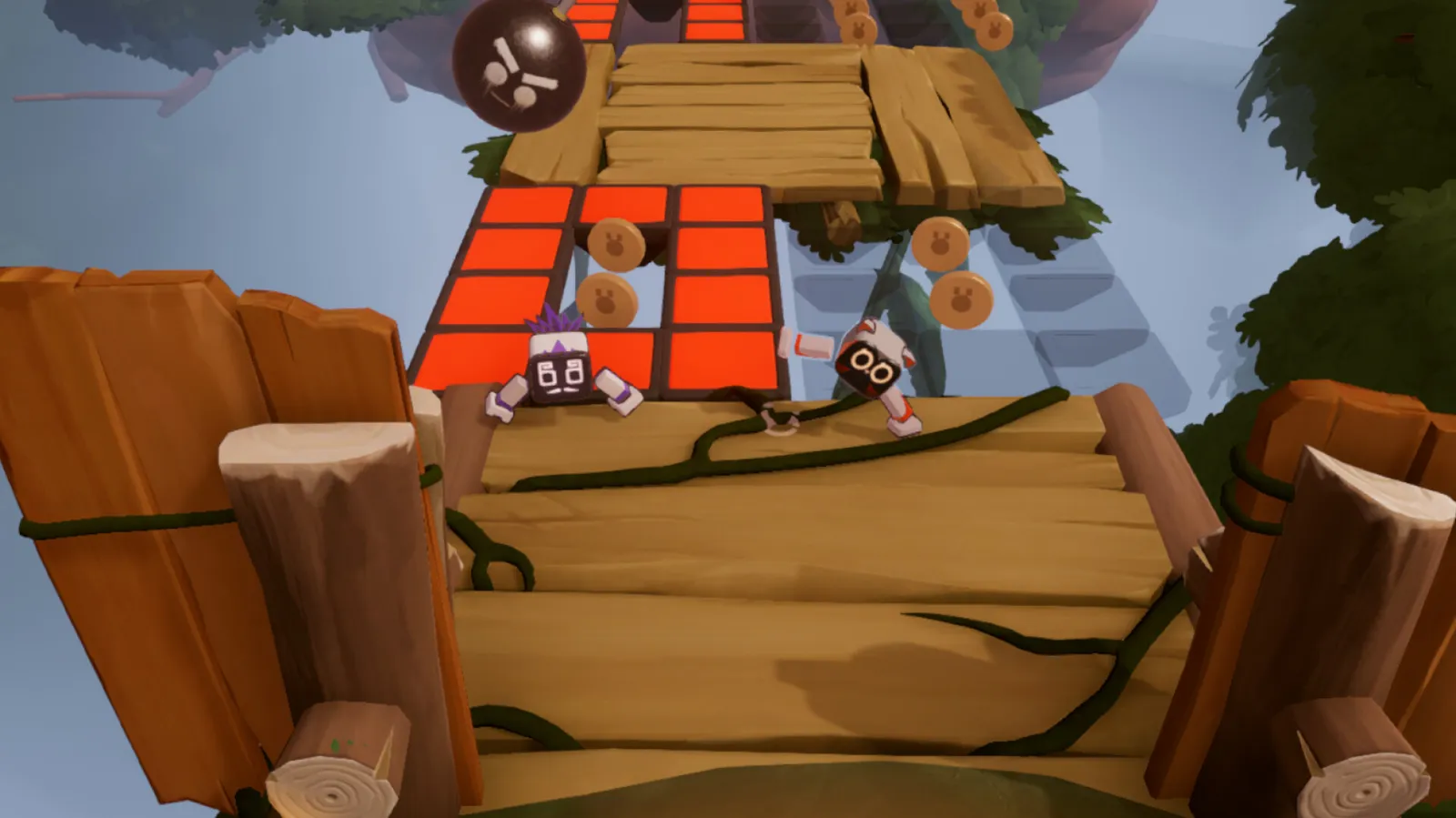
The independent leg controls make even basic movement deliberate and coordination-heavy, which is part of the challenge. Simple tasks like crossing bridges or pressing buttons become puzzle moments because of the wobbly physics. The campaign gradually introduces new mechanics, so you and your co-op partner can learn together as puzzles layer on complexity.
Can I play Biped 2 solo or is co-op required?
While the game supports single-player, the design heavily focuses on cooperative teamwork-puzzles are built around two robots working in tandem, synchronized timing, and shared object manipulation. You'll get the intended experience with a co-op partner who can communicate and adapt when physics throws surprises your way.
What changes when we solve puzzles as a group?
Each player must account for the other robots’ positions and actions. Agree on when to move, activate a mechanism, or manipulate an object so the group can pass the obstacle together.